For many patients, primary healthcare has become increasingly difficult to access. Long wait times for appointments, rushed visits, limited continuity with the same physician, and the inconvenience of traveling for routine care have left people feeling disconnected from their healthcare providers. What was once meant to be a foundation of preventive and relationship-based care has, for many, turned into a reactive system focused on quick fixes.
These challenges are not due to a lack of need, but rather to healthcare models that struggle to keep up with modern life. Chronic conditions require ongoing attention. Preventive care requires regular touchpoints. Yet traditional systems are often built around infrequent, in-person visits that leave gaps in between.
Telemedicine is helping redefine this experience.
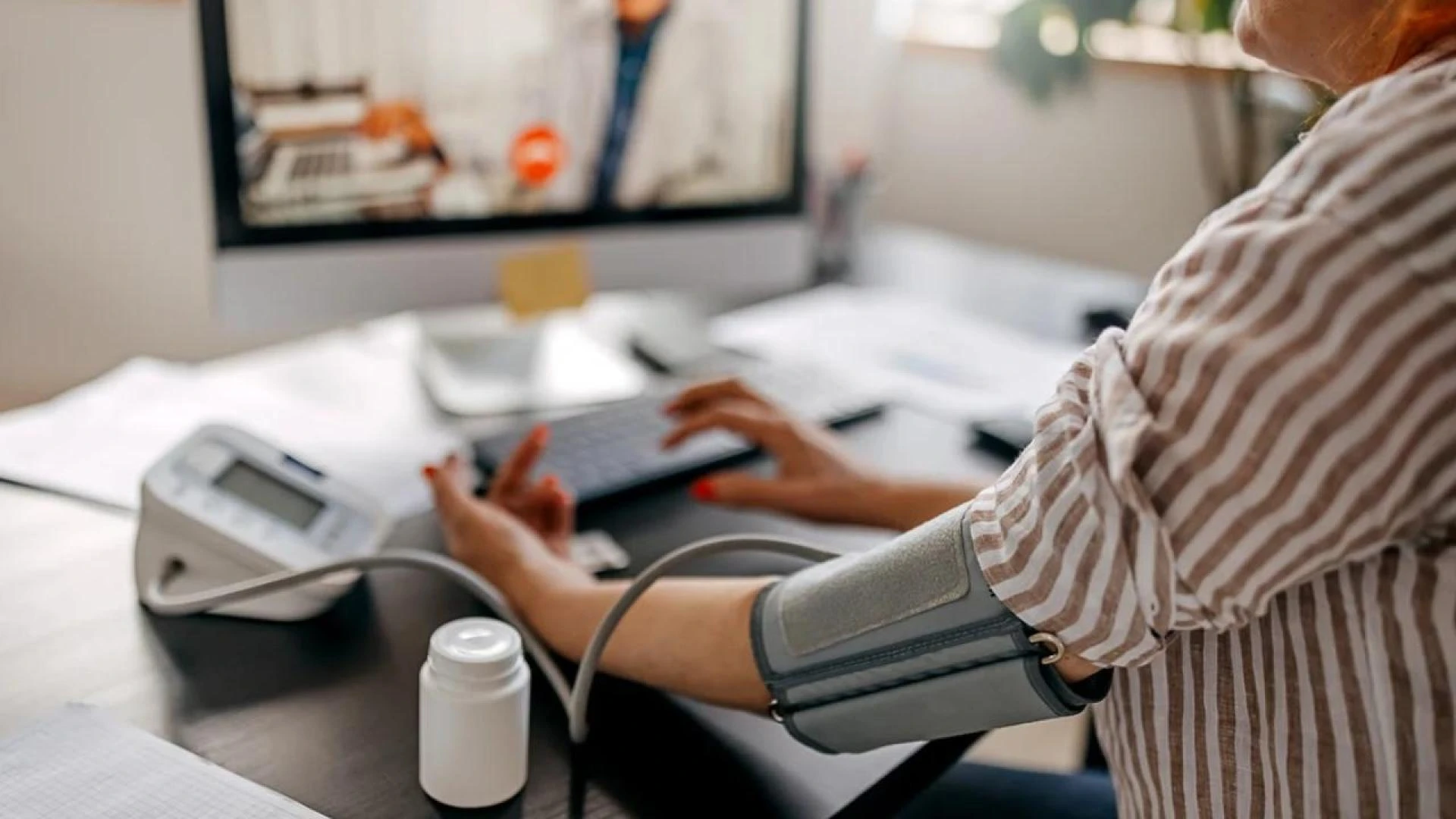
Through telemedicine primary care, healthcare is becoming more accessible, flexible, and continuous. Virtual visits, digital communication, and remote monitoring are shifting primary care from a place patients visit occasionally to an ongoing relationship that supports health in real time. This transformation is changing how patients experience care—and how primary care physicians deliver it.
Is Virtual Primary Care Actually Improving Access and Continuity?
One of the most significant changes brought by virtual primary care services is improved access. Patients no longer need to navigate long commutes, take time off work, or wait weeks for an appointment to address routine concerns. Instead, they can connect with an online primary care doctor from home, often with greater scheduling flexibility.
Beyond convenience, virtual care supports continuity. Seeing the same physician regularly—rather than rotating providers—helps build trust and understanding over time. With consistent access, doctors are better positioned to recognize subtle changes in symptoms, lifestyle, or overall health.
This continuity is especially important for patients managing chronic conditions, preventive screenings, or medication adjustments. The remote primary care model allows healthcare to be proactive rather than episodic.
Is Telemedicine Driving a Larger Digital Healthcare Transformation?
Telemedicine is not simply a change in location—it represents a broader digital healthcare transformation. Secure video visits, electronic health records, remote data sharing, and digital communication tools give physicians a more complete picture of a patient's health.
Rather than relying solely on what happens during a brief office visit, doctors can review trends over time. Blood pressure readings, glucose data, lab results, and symptom updates can all be evaluated more efficiently through digital systems.
This shift improves clinical decision-making. It also empowers patients, who gain better visibility into their own health data. Telehealth patient care encourages collaboration, allowing patients and physicians to work together more closely on long-term health goals.
Does Telemedicine Offer Benefits Beyond Just Convenience?
While convenience often draws people to virtual care initially, the benefits of telemedicine primary care go far deeper. Patients frequently report feeling more heard and supported when visits are unrushed and communication is ongoing.
Virtual primary care can support:
- Preventive health discussions without time pressure
- Earlier intervention when symptoms change
- More responsive medication management
It also reduces barriers for individuals who may otherwise delay care due to mobility issues, caregiving responsibilities, or geographic limitations. By lowering these barriers, telemedicine helps patients stay engaged in their healthcare more consistently.
Can Telemedicine Build Genuine Relationship-Based Care?
Primary care has always been about relationships. Telemedicine allows those relationships to develop in new ways. When communication is easier and follow-up is more frequent, trust tends to grow.
Patients often feel more comfortable discussing concerns from their own environment. Physicians gain insight into real-world challenges that may not surface in a traditional exam room. This human-centered aspect of virtual care is an important part of why telemedicine is reshaping primary healthcare.
Virtual Primary Care as Complete as In-Person Care
Some patients worry that virtual care may feel impersonal or incomplete. In reality, high-quality telemedicine programs are designed to complement—not replace—necessary in-person services.
When physical exams, procedures, or urgent evaluations are needed, patients are referred appropriately. Virtual care works best as part of a flexible, integrated system that prioritizes safety while maximizing access.
For many individuals, a hybrid approach that combines virtual visits with occasional in-person care offers the best balance.
Future of Primary Healthcare
As healthcare systems evolve, primary care is increasingly moving toward models that emphasize accessibility, prevention, and long-term engagement. Telemedicine supports these goals by making care more adaptable to patients' lives.
Rather than asking patients to fit into rigid systems, telemedicine primary care brings healthcare to where patients are—both physically and digitally. This shift has the potential to improve outcomes, reduce burnout for providers, and restore the core purpose of primary care.
Conclusion
Telemedicine is redefining primary healthcare by transforming how care is delivered, experienced, and sustained. Through virtual access, digital tools, and ongoing communication, primary care is becoming more responsive and patient-centered.
Physician-led virtual care models, such as those used by SustainMD under the guidance of Dr. Allison Barbee, reflect this evolution. By combining clinical expertise with modern technology, these approaches aim to strengthen continuity, support preventive care, and foster long-term patient–physician relationships.
As telehealth continues to expand, more patients may find that choosing to sign up for virtual primary care offers not just convenience, but a more connected and supportive healthcare experience.
FAQs
Who benefits most from virtual primary care?
Patients with chronic conditions requiring frequent monitoring, individuals with mobility or transportation barriers, busy professionals, rural residents with limited local access, and anyone seeking more consistent physician relationships benefit significantly.
How does telemedicine support preventive care?
Virtual visits provide unrushed time for preventive discussions, health screenings, lifestyle counseling, and early intervention when symptoms or trends suggest developing problems.
Can telemedicine doctors prescribe medications?
Yes. Licensed telemedicine physicians can prescribe medications appropriate to your condition following thorough evaluation, with ongoing monitoring to ensure safety and effectiveness.
Will I always see the same doctor through telemedicine?
At SustainMD, you work directly with Dr. Allison Barbee every visit—never rotating providers or unfamiliar physicians—ensuring genuine continuity and relationship-based care.
Does telemedicine work for urgent health concerns?
Yes, for non-emergency urgent concerns. Dr. Barbee triages appropriately, addressing urgent needs virtually when safe and directing patients to emergency care when conditions require immediate in-person evaluation.
Medical Disclaimer:
The information provided in this article is for educational purposes only and should not replace professional medical advice. Every patient's condition is unique. Always consult a qualified healthcare provider for personalized diagnosis and treatment.