
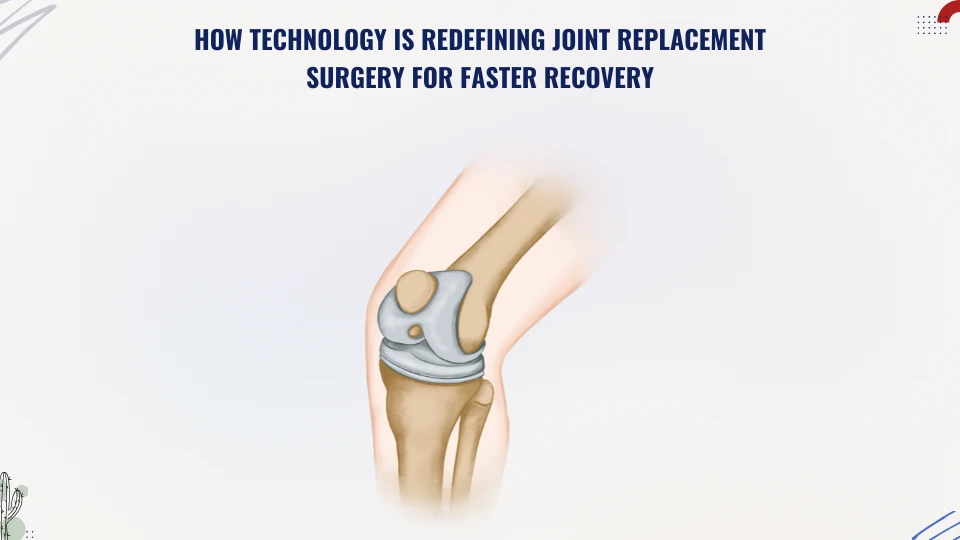
In the last few years, medical technology has advanced at an incredible pace, especially in the field of orthopedics. One of the biggest transformations can be seen in joint replacement surgery. Whether it’s the knee, hip, or shoulder, today’s surgeries are far more precise, less painful, and result in much faster recovery compared to traditional methods. For patients suffering from severe joint pain, arthritis, or injury, these advancements have made a huge difference in improving mobility and quality of life.
The Evolution of Joint Replacement Surgery
In earlier times, joint replacement surgery involved larger cuts, longer hospital stays, and extended recovery periods. Patients often needed weeks of bed rest followed by months of physiotherapy. However, with the introduction of modern tools, robotics, and improved surgical techniques, joint replacement has become more efficient and patient-friendly. Surgeons now use smaller incisions, computer-guided navigation, and advanced implants that fit more naturally with the body.
This evolution is not just about replacing a joint—it’s about restoring function and confidence. With new technologies, patients can now return to their daily activities much sooner than before.
The Role of Robotics in Modern Surgery
Robotic-assisted joint replacement surgery is one of the most important innovations in orthopedic care. These systems allow surgeons to plan the operation with extreme precision using 3D imaging and computer mapping. The robot assists in aligning and placing the implant perfectly, reducing human error and improving long-term results.
One of the major advantages of robotic surgery is accuracy. Every person’s bone structure is unique, and robotic systems help customize the surgery according to the patient’s anatomy. This ensures better joint movement and reduces wear and tear on the implant. Patients who undergo robotic-assisted joint replacement surgery in Lucknow often experience less pain, reduced blood loss, and shorter hospital stays.
Minimally Invasive Techniques for Quicker Healing
Modern joint replacement surgeries are also becoming less invasive. Instead of making large cuts, surgeons now use smaller incisions, which means less damage to muscles and tissues around the joint. This helps in faster healing, reduced scarring, and less post-surgery discomfort. Patients can walk within a day or two and resume light activities within a few weeks.
Minimally invasive surgery also lowers the risk of infection and complications, which was a common concern in traditional methods. The improved recovery time has made joint replacement an attractive option even for younger patients who want to stay active and maintain their lifestyle.
Advanced Implants and Materials
Another big leap in technology comes from the development of advanced implants. Today’s artificial joints are made from materials that closely mimic natural bone movement. They are designed to be more durable, lightweight, and biocompatible, which means the body easily accepts them.
Some implants also have special coatings that help in faster bone bonding, ensuring the new joint stays stable and strong for years. With such advancements, the lifespan of a joint replacement implant can now last 20 years or more, depending on the patient’s health and activity level.
Computer Navigation and 3D Imaging
Before surgery, doctors now use digital tools like 3D imaging and CT scans to get a detailed view of the joint. These technologies help them plan the entire procedure in advance, ensuring that every movement during surgery is calculated. Computer navigation assists surgeons in achieving precise alignment, which is critical for the long-term success of the implant.
Proper alignment reduces strain on surrounding muscles and bones, resulting in better function and reduced pain after surgery. Patients benefit from improved comfort, stability, and overall mobility.
Rehabilitation and Post-Surgery Care
Technology doesn’t stop at the operation table—it continues even after surgery. Modern rehabilitation techniques use computer-assisted physiotherapy programs that help patients regain movement safely and effectively. Wearable devices and mobile apps also help doctors track patient progress remotely, ensuring proper healing and avoiding complications.
Early mobility is another major focus. Most patients are encouraged to start walking within 24 hours after their joint replacement. This not only speeds up recovery but also prevents stiffness and blood clots.
Why Choosing the Right Hospital Matters
While technology plays a major role in improving outcomes, the hospital and the medical team you choose are equally important. The best multispeciality hospitals in Lucknow combine modern equipment, experienced surgeons, and comprehensive rehabilitation support. They ensure that every step—from diagnosis to recovery—is handled with expert care and personalized attention.
A good hospital also provides patient education, helping individuals understand what to expect before, during, and after surgery. This transparent communication builds confidence and allows patients to take an active role in their recovery journey.
The Future of Joint Replacement Surgery
The future of joint replacement is exciting. With the integration of artificial intelligence (AI), virtual reality (VR), and advanced robotics, surgeries will continue to become safer and more effective. AI-assisted diagnostics are already helping doctors predict which patients are the best candidates for surgery and what outcomes they can expect.
In the coming years, smart implants that can monitor movement and send feedback to doctors might become a reality. This will make follow-up care easier and more personalized, ensuring that patients get the best long-term results.
Conclusion
Joint replacement surgery has come a long way from being a complicated, painful procedure to a highly advanced and precise treatment that helps patients return to normal life quickly. With robotic systems, improved materials, and better rehabilitation, recovery has become smoother and faster than ever before.
For those seeking expert care and modern facilities, HealthCity Vistaar stands as one of the best multispeciality hospitals in Lucknow, offering advanced joint replacement surgery in Lucknow performed by experienced specialists dedicated to restoring mobility, comfort, and confidence.