
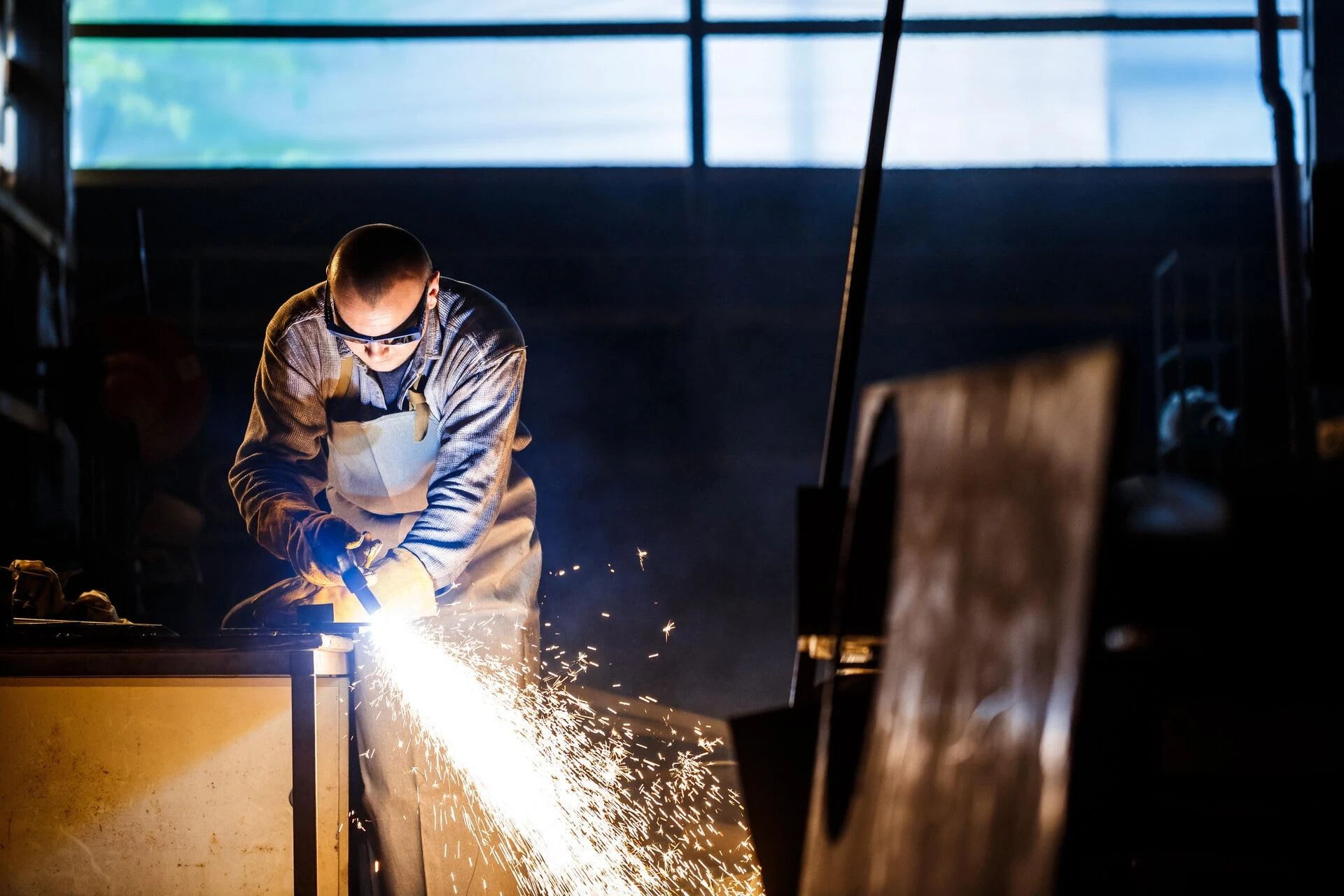
Sustainable fabrication practices are becoming increasingly important in modern manufacturing, helping businesses reduce waste, lower costs, and minimize their environmental impact. By adopting eco-friendly techniques and optimizing material usage, companies can enhance efficiency while contributing to a greener future. This guide explores key sustainable fabrication practices and their benefits.
1. Material Efficiency and Waste Reduction
One of the main goals of sustainable fabrication is minimizing material waste. Common strategies include:
- Optimized Cutting Techniques: Using laser cutting, waterjet cutting, and CNC machining to reduce excess material.
- Material Recycling and Reuse: Repurposing scrap metal and leftover materials to minimize waste.
- Lean Manufacturing: Streamlining production processes to use only the necessary amount of resources.
2. Energy-Efficient Manufacturing
Reducing energy consumption in fabrication leads to lower operational costs and a smaller carbon footprint. Key energy-efficient practices include:
- Using Renewable Energy Sources: Incorporating solar, wind, or hydroelectric power in manufacturing facilities.
- Energy-Efficient Machinery: Utilizing modern equipment designed for lower energy consumption.
- Smart Automation: Implementing AI and IoT-driven automation to optimize energy use.
3. Eco-Friendly Materials and Coatings
Choosing sustainable materials and coatings enhances the environmental friendliness of fabrication processes. Examples include:
- Recycled Metals: Using aluminum, steel, and other metals sourced from recycled materials.
- Low-VOC Coatings: Applying environmentally friendly coatings to reduce air pollution.
- Biodegradable and Non-Toxic Adhesives: Avoiding harmful chemicals in bonding and joining processes.
4. Sustainable Surface Finishing
Surface treatments can be optimized to reduce environmental impact while maintaining quality. Sustainable finishing options include:
- Powder Coating: An eco-friendly alternative to solvent-based paints with minimal waste.
- Electropolishing: A chemical-free polishing method that reduces material consumption.
- Water-Based Coatings: Less harmful than traditional solvent-based coatings, reducing air pollution.
5. Lifecycle Management and Circular Economy
Sustainable fabrication extends beyond production by considering the entire product lifecycle. Important aspects include:
- Designing for Recyclability: Creating products that can be easily dismantled and recycled at the end of their life cycle.
- Product Longevity: Fabricating durable components to reduce the need for replacements.
- Closed-Loop Recycling Systems: Implementing internal recycling programs to reuse scrap materials efficiently.
Conclusion
Sustainable fabrication practices not only benefit the environment but also lead to significant cost savings by reducing material waste, improving energy efficiency, and utilizing eco-friendly materials. By integrating these strategies, businesses can enhance operational efficiency while meeting the growing demand for sustainable manufacturing solutions. Investing in sustainable fabrication ensures long-term success, cost-effectiveness, and a reduced ecological footprint.
Article submitted by PTI Fabrication