
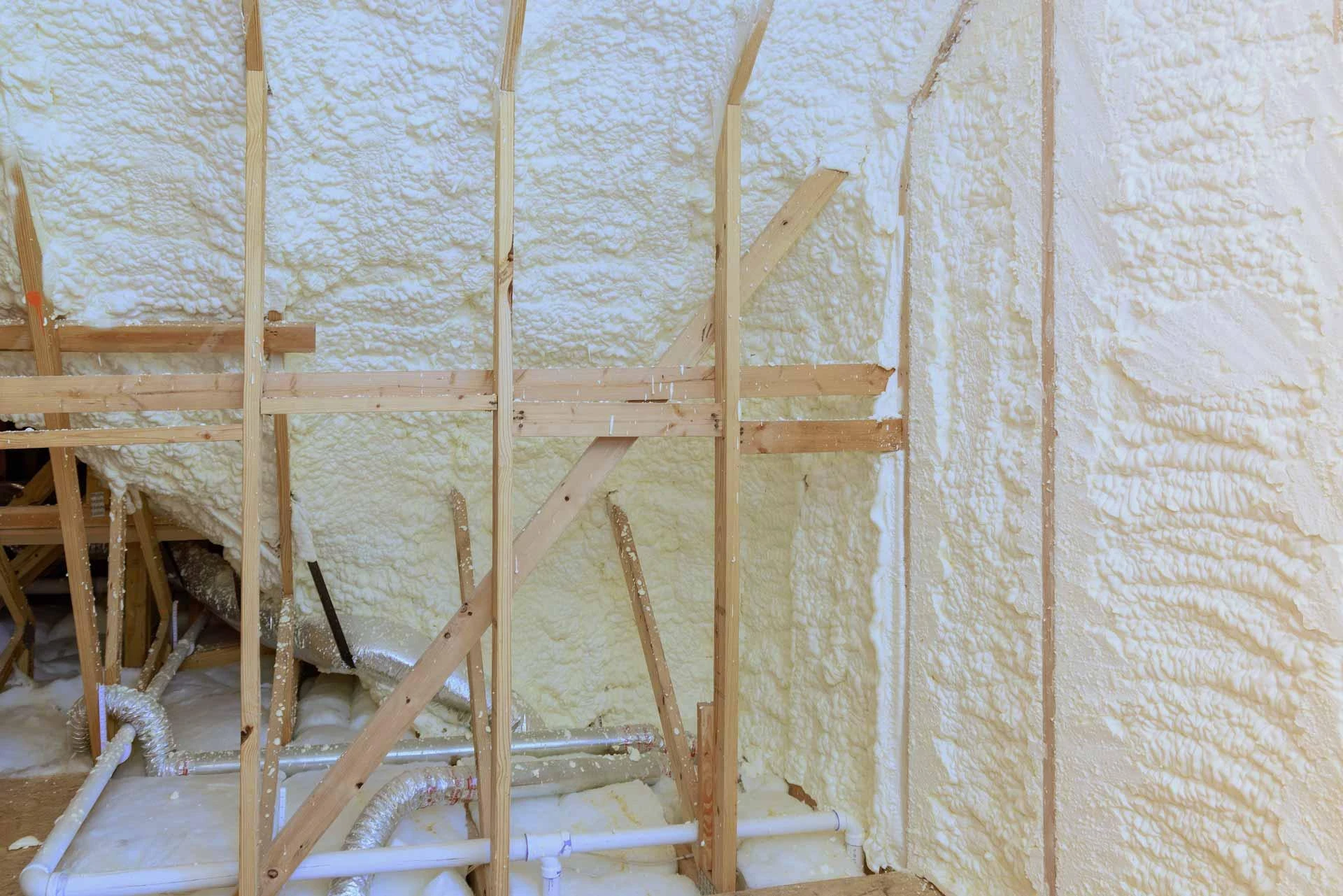
Spray foam professionals in Tallahassee, FL regularly face insulation challenges driven by the local climate and building styles. Heat, humidity, and air leakage can lead to high energy bills, mold risks, and reduced indoor comfort. Addressing these problems requires more than just filling cavities—it takes a systematic understanding of how insulation interacts with moisture, airflow, and building structure.
This article explains how experienced spray foam contractors identify and solve common insulation problems in the region. You’ll learn how they assess each zone of the home, choose the right type of spray foam, and apply advanced techniques to improve long-term performance. These insights are based on real practices from insulation experts working in and around Tallahassee.
Climate-Driven Challenges in Tallahassee Homes
In Tallahassee, homeowners often deal with insulation problems that stem from a combination of heat, humidity, and outdated construction practices. Spray foam insulation helps address these issues by sealing air leaks and controlling moisture—but only when applied strategically.
Moisture and Mold Control
Attics and crawl spaces in this region frequently experience elevated humidity levels. Without proper air sealing, condensation forms on cool surfaces, creating conditions for mold growth.
Spray foam insulation, especially closed-cell foam, acts as both an air barrier and vapor barrier. It resists moisture intrusion and helps regulate humidity, especially in areas like:
- Below-grade crawl spaces
- Unvented attic assemblies
- Rim joists and sill plates
Open-cell spray foam may also be used in attics where vapor permeability is acceptable, and moisture movement needs to be monitored.
Air Leakage and Temperature Swings
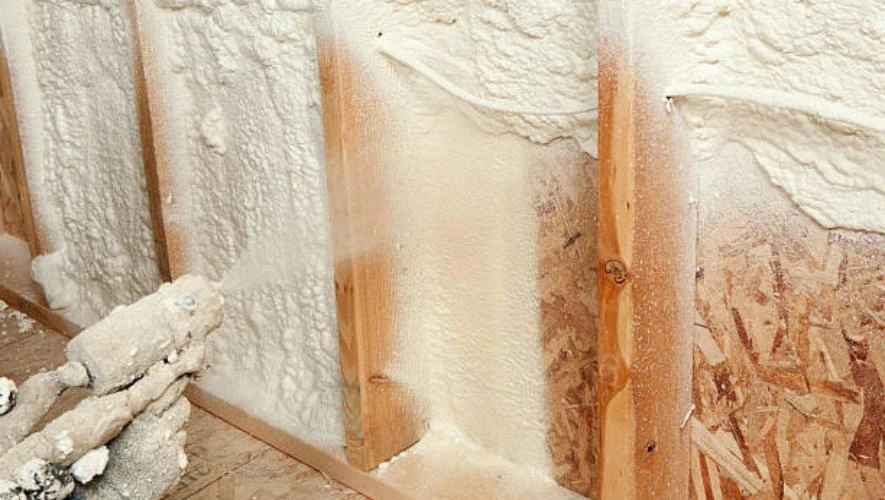
Homes in South Georgia often have penetrations in walls and ceilings—around recessed lights, vent fans, attic access points, and wiring chases. These gaps allow hot, humid air to infiltrate and conditioned air to escape.
Spray foam expands to fill and seal these irregular gaps, preventing air exchange and reducing the strain on HVAC systems. This air sealing effect is one of the primary reasons spray foam outperforms traditional insulation methods in this climate.
Strategies Used by Spray Foam Experts
Spray foam contractors in Tallahassee rarely rely on a one-size-fits-all approach. They consider structural features, climate demands, and homeowner concerns before developing a solution.
Full-Home Performance Evaluations
Before applying foam, many professionals use diagnostic tools to identify where insulation and air sealing are most needed. This includes:
- Blower door testing to measure uncontrolled air exchange
- Infrared thermal imaging to locate insulation voids
- Moisture meters in crawl spaces and basements
- Duct leakage testing to assess HVAC system losses
These tools help contractors make informed decisions rather than guessing based on visual inspection alone.
Area-Specific Application Techniques
Different parts of a home have different insulation needs. Experts adjust their spray foam type and installation technique to match the specific requirements of each zone.
Crawl Spaces
- Closed-cell foam is applied directly to foundation walls or subflooring.
- A vapor barrier is laid over the ground to block ground moisture.
- Access doors and vents are sealed or insulated as part of the enclosure strategy.
Attics
- Open-cell foam is often used between rafters to create an unvented attic system.
- All penetrations (lights, fans, wiring) are sealed before insulation is applied.
- Eave baffles are installed where needed to preserve ventilation channels.
Wall Cavities
- Existing homes may receive injection foam through small holes between studs.
- New constructions or gut renovations allow full spray foam fill.
- Hybrid methods (foam + batt) are sometimes used to manage budget without sacrificing performance.
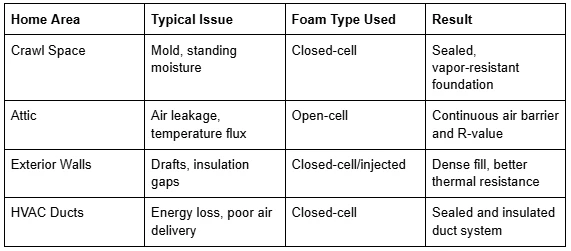
Table: Common Problem Areas and Spray Foam Solutions
Energy Efficiency and Comfort Improvements
Spray foam insulation doesn’t just fix leaks—it transforms the way a home retains and distributes conditioned air. This leads to consistent indoor temperatures and better control of utility expenses.
HVAC System Relief
When homes are sealed properly, air conditioning systems cycle less frequently and maintain temperatures more effectively. This reduces both energy consumption and mechanical wear. In Tallahassee’s hot summers, this effect is particularly noticeable.
Homeowners often report:
- Lower electric bills
- Fewer hot and cold spots
- Quieter operation of HVAC systems
Better Indoor Air Quality
Because spray foam blocks pollen, dust, and humidity from entering through leaks, indoor air remains cleaner. For homes near farms or wooded areas in Tallahassee, this can make a significant difference in allergy symptoms or seasonal respiratory discomfort.
Common Questions
Does spray foam insulation meet code in Tallahassee homes?
Yes. Spray foam insulation complies with Georgia residential code when installed properly, including fire barrier requirements and ventilation strategies where needed. Professionals ensure installations are code-compliant from the start.
Can spray foam fix existing insulation issues in older homes?
Spray foam is often used to upgrade older homes where fiberglass or cellulose insulation has degraded. It seals leaks that older materials miss and improves thermal resistance without requiring major renovations.
Will spray foam make my home too airtight?
A properly designed system includes mechanical ventilation where necessary. Spray foam seals uncontrolled leaks, but does not prevent intentional airflow required for health and comfort.
Is spray foam safe after installation?
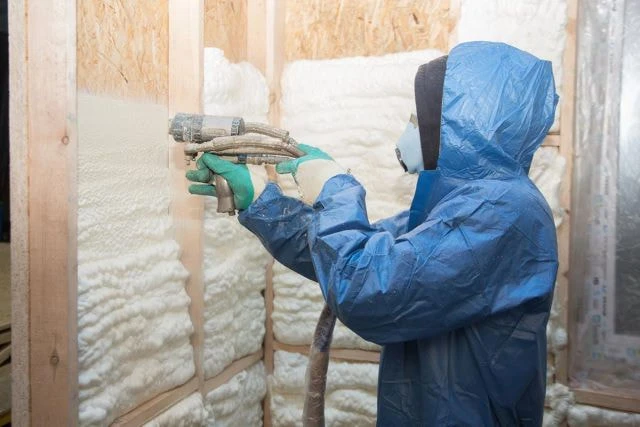
Once cured, spray foam is inert and safe for occupants. Professional installers use protective measures during application and ventilate the area until the foam has set.
Conclusion
Spray foam insulation is a powerful solution for common issues in Tallahassee homes—especially those related to air leakage, moisture, and inconsistent temperatures. Professionals who specialize in this region understand the unique building needs of local homes and apply materials with precision and purpose.
By using diagnostic tools and applying zone-specific strategies, spray foam experts deliver long-lasting insulation performance. Whether upgrading an older home or sealing a new one, the benefits are measurable in comfort, energy savings, and indoor air quality.
FAQs
How long does spray foam insulation last in Tallahassee homes? Spray foam typically lasts 30 years or more. It doesn’t settle, compress, or degrade like batt insulation, making it a long-term investment in energy efficiency.
What’s the best spray foam for crawl space insulation? Closed-cell foam is preferred in crawl spaces due to its moisture resistance, rigidity, and vapor barrier properties. It helps control humidity and supports structural integrity.
Does spray foam reduce pest entry points? Yes. Spray foam seals small gaps and crevices that rodents and insects often use to enter homes, offering an added layer of protection.
Can spray foam be used in mobile or modular homes? It can, but application must be tailored to lightweight framing and airflow requirements. Professionals can advise on suitable strategies for these structures.
Is spray foam insulation worth the upfront cost? Spray foam can reduce energy bills by 20–30%, improve comfort, and prevent costly moisture damage—making the initial expense worthwhile over time.
Reviewer: Jack Parker, a spray foam professional with 7 years of experience, reviewed this post and helped improve sections dealing with brand clarity and customer communication.