
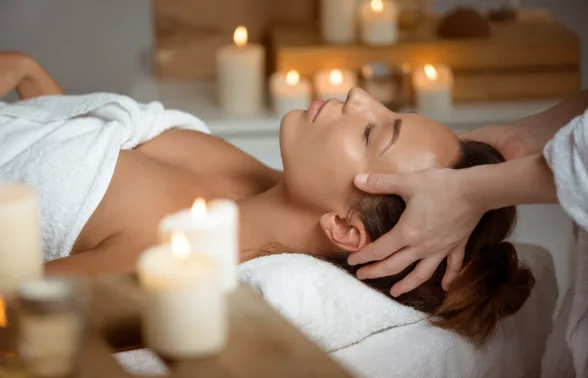
On some days, the body asks for more than rest; it asks for relief for lighter legs after long hours, for less puffiness after travel, for a calmer nervous system after weeks of stress, and for that hard-to-explain feeling of wanting to look refreshed without doing anything harsh. That is one reason lymphatic drainage massage in Austin has become part of the wellness conversation.
Massage therapy is commonly used to enhance wellness, and national survey data show that 10.9 percent of U.S. adults used massage therapy in 2022. At the same time, careful medical sources note that lymphatic drainage is most clearly helpful when swelling, fluid buildup, or lymph flow problems are part of the picture, so expectations should stay realistic.
Key Takeaways
- Gentle bodywork can support comfort, movement, and a lighter feeling when swelling or fluid retention is part of the issue.
- Better circulation support is usually about reducing congestion, not forcing dramatic change.
- The right technique depends on your goal, your health history, and how your body responds.
- A good session should feel measured, informed, and calm, not aggressive.
What Is This Therapy Really?
Massage therapy involves hands-on work with soft tissue to support wellness or help manage symptoms. Manual lymphatic drainage is a lighter, more specific style that aims to encourage lymph fluid to move toward working lymph vessels and nodes. That matters because the lymphatic system helps maintain fluid balance, and when that flow is disrupted, swelling and heaviness can follow.
For many women, lymphatic drainage massage in Austin feels appealing because it sits at the intersection of recovery and self-care. It is gentler than deep tissue work, often more appropriate when the body feels tender, and usually paired with a slower, more intentional treatment pace.
Why Recovery Often Feels Slower
You have probably felt this before. The swelling is not dramatic, but your body feels off. Rings fit tighter. Skin looks puffier. Legs feel heavy by evening. The waist feels more bloated than usual. Recovery can feel slow not only after procedures, but also after travel, stress, intense workouts, and long stretches of sitting.
Medical guidance is clear on one important point: when swelling is linked to lymphedema or disrupted lymph flow, massage, compression, movement, and other supportive care may help ease symptoms. What most people get wrong is assuming every kind of soreness or bloating needs the same answer. Sometimes the better move is hydration, walking, sleep, or medical advice first.
How It May Support Circulation
When people talk about circulation, they often mean they want to feel less stuck. Less swollen. Less tight. More mobile. That is where lymphatic drainage massage in Austin may help certain people. The technique uses light pressure and patterned movements to encourage fluid to move more freely.
Cleveland Clinic notes that it may reduce swelling, ease fluid retention, and support stress management, while Johns Hopkins describes manual lymph drainage as a gentle rhythmic massage that promotes lymph flow. It is not magic. It is also not meant to be rough. In fact, overly aggressive pressure can be the wrong fit when the body is already irritated.
A Simple Decision Framework
A useful way to think about it is the lighten, move, recover method:
- Lighten swelling, puffiness, or that heavy feeling.
- Move fluid with a gentle, skilled technique rather than force.
- Recover with habits that support the session, like walking, water, and rest.
That is why lymphatic drainage massage in Austin works best as part of a bigger rhythm, not a one-time miracle promise.
When Each Approach Fits Best
Wellness GoalWhat May Help MostA Simple CueCommon MistakeMild puffiness or fluid retentionGentle lymph focused workBody feels heavy, not deeply knottedChoosing very deep pressureStress with body tensionTraditional relaxation massageShoulders, jaw, and sleep feel offExpecting one session to fix a patternProcedure related tendernessConservative recovery-focused careThe area feels sensitive and swollenStarting too aggressively too soonGeneral body wellnessConsistent supportive sessions plus movementYou want maintenance, not rescueIgnoring daily habits between visits
These choices matter because lymphatic drainage massage in Austin is not really one generic service. The method, timing, and pressure should match the reason you booked it in the first place.
What Makes A Good Session?
A smart search for lymphatic drainage massage in Austin should focus less on hype and more on judgment.
Good practice usually looks like this:
- Clear intake questions about symptoms, recent procedures, and medical history.
- Gentle, specific technique rather than random rubbing.
- Realistic claims about comfort and swelling.
- Willingness to refer out when something feels medically outside the scope.
What to avoid? Big promises, painful pressure, and anyone who brushes past contraindications. Cleveland Clinic specifically notes that lymphatic drainage is not appropriate for everyone, including some people with blood clots, infection, fever, certain heart problems, kidney failure, or a history of stroke.
A Familiar Real World Scenario
In a familiar scenario, someone books a lymphatic drainage massage in Austin after a demanding month. She has been traveling, eating irregularly, sleeping badly, and sitting too much. Her body is not in crisis, but it feels swollen, tired, and disconnected.
A thoughtful provider does not oversell the session. They explain what gentle bodywork may and may not do. The goal is not instant transformation. The goal is to help the body feel less congested, more comfortable, and easier to move in. That shift alone can make better habits feel possible again.
What Most People Get Wrong
The biggest mistake is thinking that more pressure means better results. The second is treating body wellness as only a treatment room issue. Sessions can help, but recovery often improves when they are paired with:
- Light daily walking
- Consistent hydration
- Lower sodium meals when swelling is high
- Sleep that gives the body time to settle
That fuller view is why lymphatic drainage massage in Austin often feels most useful to people who want support, not fantasy.
The Takeaway That Lasts
At its best, lymphatic drainage massage in Austin offers a gentler path for women who want to feel better in their bodies without choosing anything harsh or overwhelming. It can support a lighter, less puffy feeling, encourage comfort during recovery, and help the body feel more at ease when stress, swelling, or long inactive days start to show up physically. The real value is not in dramatic promises.
It is in thoughtful support, realistic expectations, and choosing care that matches what the body actually needs. For women seeking a Miami-inspired approach near Austin that focuses on enhancing natural beauty through non-invasive services, brands like Belleza Reyna Body Solutions offer body contouring and wellness support designed to help clients feel refreshed, confident, and cared for.
FAQs
- What makes a good body wellness session?
A good session starts with a clear goal, a gentle technique that matches your needs, and realistic expectations about comfort, swelling, and recovery.
- What services usually fit this kind of support?
Common options include relaxation massage, manual lymphatic work, and recovery-focused sessions chosen around tenderness, swelling, and overall body goals.
- How to choose the best provider?
Look for someone who asks thoughtful intake questions, explains limits clearly, and does not rely on painful pressure or sweeping promises.
- When to hire a professional instead of trying everything at home?
When swelling lingers, tenderness increases, or you are recovering from a procedure, professional guidance is usually the safer choice.
- What custom approach should a Miami-inspired body wellness studio offer?
It should adapt pressure, pacing, and goals to the client, with a focus on natural-looking results, comfort, and a plan that fits real life.


