In today’s competitive business environment, reducing operational expenses while maintaining efficiency is more crucial than ever. One of the most impactful ways companies can cut energy costs is by adopting solar energy storage systems. These systems go beyond just generating renewable energy—they provide intelligent storage solutions that allow businesses to use solar power when it’s most cost-effective.
In this article, we’ll explore how solar energy storage systems work and why they are a smart investment for businesses looking to optimize energy use and reduce electricity bills.
🔋 What is a Solar Energy Storage System?
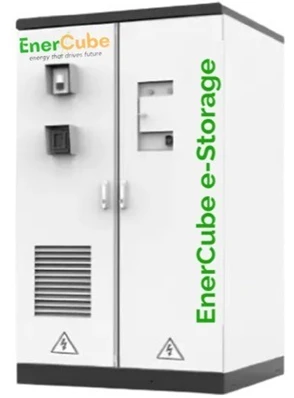
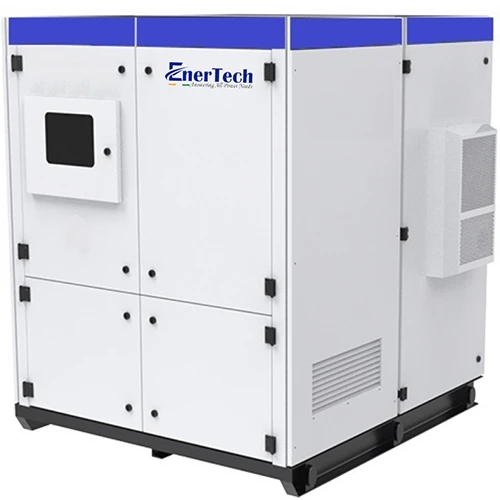
A solar energy storage system combines solar panels with battery storage. During the day, solar panels capture sunlight and convert it into electricity. Excess energy that isn't immediately used is stored in batteries for later use—typically during non-sunlight hours or when grid electricity rates peak.
This means businesses can use their stored solar power instead of buying expensive power from the grid during high-demand periods.
💸 How It Reduces Energy Costs for Businesses
1. Peak Demand Shaving
Electricity providers often charge higher rates during peak hours when demand is highest (e.g., afternoon and early evening). With an energy storage system, businesses can use stored solar energy during these times, effectively reducing peak demand charges, which can account for a significant portion of monthly bills.
2. Time-of-Use Optimization
Many utility companies use time-of-use (TOU) pricing, where electricity rates vary depending on the time of day. By storing solar power and using it during high-rate periods, businesses can shift their energy usage to cheaper sources, lowering overall utility costs.
3. Reduced Grid Dependency
A solar storage system helps reduce reliance on grid electricity. For industries and commercial buildings with high energy consumption, this translates to major savings—especially in regions with frequent rate hikes or unreliable power supply.
4. Protection Against Power Outages
Energy interruptions can lead to costly downtimes. Solar energy storage systems provide backup power, ensuring business continuity even during blackouts. This is particularly valuable for manufacturing units, IT companies, healthcare facilities, and data centers.
5. Offsetting High Tariffs in Remote Areas
For businesses located in remote or semi-urban areas, electricity costs are often higher due to poor grid infrastructure. Solar energy storage provides a cost-effective alternative by generating and storing power onsite.
📈 Long-Term Financial Benefits
- Lower Operational Costs: Once installed, solar + storage significantly reduces monthly electricity expenses.
- Faster ROI: Businesses often recover their investment in 3–5 years through savings and subsidies.
- Government Incentives: Many regions offer subsidies, tax credits, and accelerated depreciation benefits on solar installations.
- Sustainable Branding: Using solar energy improves a company’s green credentials, which can attract eco-conscious customers and investors.
🏢 Who Should Consider Solar Energy Storage?
- Manufacturing units with large machinery and high energy loads
- IT and tech companies with 24/7 operations
- Hospitals and clinics needing uninterrupted power supply
- Educational institutions looking for green alternatives
- Warehouses and logistics centers in remote areas
🔧 Example Use Case
A commercial office building in Pune with a 50 kW rooftop solar system and 30 kWh battery storage reduced its monthly electricity bill by 40%. By storing energy during the day and using it during evening peak hours, the business saved lakhs annually while also ensuring uptime during outages.
🌞 Final Thoughts
As electricity prices continue to rise, investing in a solar energy storage system is a strategic move for businesses. It not only ensures long-term savings but also provides energy security, sustainability, and independence from grid fluctuations.
Whether you’re a small enterprise or a large industrial unit, solar energy storage is no longer a luxury—it’s a smart necessity.