Shopping malls have transformed significantly over the years. They are no longer limited to shopping destinations; they have become spaces for dining, entertainment, events, and social experiences. As visitor expectations continue to evolve, mall operators are looking for better ways to manage their properties and understand how people interact with different spaces.
One important development in this area is the growing use of video analytics and visitor intelligence.
Understanding Visitor Movement Inside Shopping Malls
A shopping mall experiences different levels of activity throughout the day. Some entrances may receive more visitors, certain retail zones may become crowded during weekends, and food courts or entertainment areas may experience traffic spikes during specific hours.
Without reliable information, understanding these patterns can be difficult.
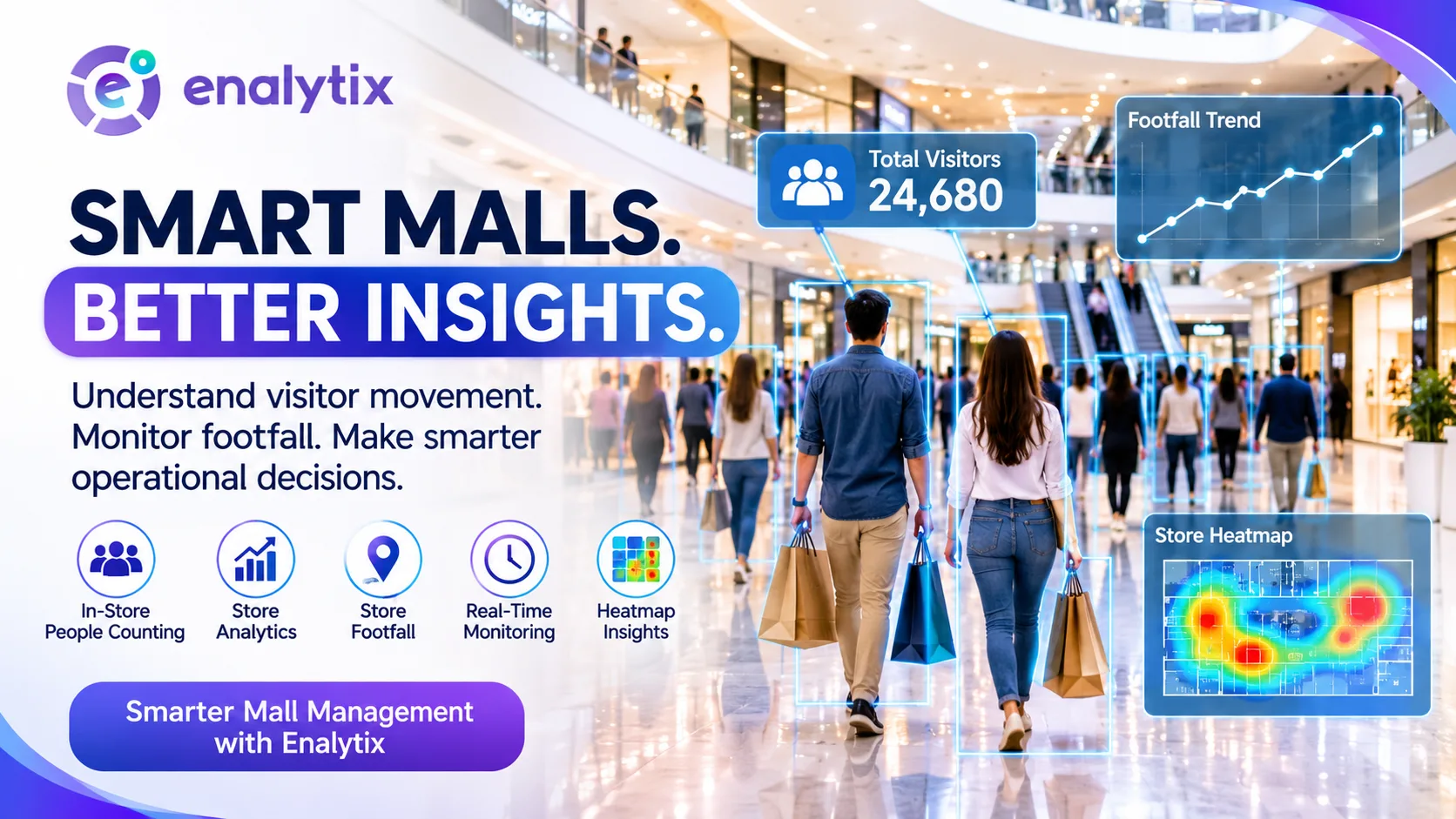
In-store people counting helps mall operators measure visitor activity across selected entrances, stores, corridors, and common areas. Instead of depending entirely on manual observations, automated systems can provide more consistent information about visitor movement.
This information helps management understand how different parts of a property are being used.
Why Store Footfall Is Important
Store footfall is an important indicator of visitor activity in physical retail environments. Tracking footfall over different periods can help management identify busy hours, compare visitor traffic, and recognize changes in activity.
For example, comparing weekday and weekend footfall can help mall operators understand how visitor patterns change. Similarly, monitoring activity during promotional campaigns or festive periods can provide useful information for future operational planning.
When collected consistently, footfall data can support more informed decisions about staffing, facilities, and resource allocation.
The Role of Real-Time Store Monitoring
Historical reports help explain previous activity, but real-time store monitoring provides visibility into ongoing conditions.
Shopping malls often experience sudden changes in visitor volume during events, weekends, and seasonal campaigns. Having visibility into current activity can help operational teams identify busy locations and respond when additional attention is needed.
This is particularly useful for large malls where multiple entrances, corridors, and public areas need to be monitored simultaneously.
How Store Analytics Supports Better Management
Store analytics helps transform visitor information into meaningful operational insights.
By analyzing activity across different locations and time periods, mall operators can better understand traffic trends and identify opportunities to improve space utilization.
Depending on the analytics capabilities available, these insights may support:
- Identifying peak visitor hours
- Understanding traffic across different mall zones
- Monitoring changes in store footfall
- Improving operational resource planning
- Supporting crowd and facility management
- Evaluating how commercial spaces are being utilized
The objective is not simply to collect more information but to make it useful for everyday management.
Making Better Use of Existing CCTV Systems
Most modern shopping malls already have CCTV infrastructure installed across their properties. Traditionally, these cameras have been used primarily for security and surveillance.
Video analytics can extend their functionality by processing camera footage and extracting useful information about visitor activity. Depending on camera quality, positioning, and system compatibility, existing cameras may support applications such as people counting and activity monitoring.
This creates an opportunity for mall operators to explore additional value from infrastructure they already have.
Moving Towards Smarter Shopping Malls
The future of shopping mall management will depend increasingly on understanding visitors and managing physical spaces efficiently. Technologies such as in-store analytics, automated people counting, and real-time monitoring can help businesses move towards more informed operational decisions.
Companies such as Enalytix are working in this space, helping commercial environments turn existing CCTV infrastructure into a source of visitor intelligence and operational insights.
As shopping malls continue to evolve, the ability to understand visitor movement and store footfall will become an important part of creating efficient, well-managed, and welcoming commercial environments.