Iron is an essential mineral that plays a crucial role in carrying oxygen throughout the body, supporting metabolism, and maintaining overall health. When iron levels in the body are low or abnormal, it can lead to various health conditions such as anemia, fatigue, and weakened immunity. To assess iron levels accurately, healthcare providers often recommend tests such as the Iron Binding Capacity Test, commonly known as the Total Iron Binding Capacity (TIBC) test. Proper preparation for this test ensures accurate results and a clear understanding of your iron status.
What is an Iron Binding Capacity Test?
An Iron Binding Capacity Test measures the blood’s capacity to bind and transport iron. Specifically, it evaluates the level of transferrin, a protein that binds iron and carries it to different parts of the body. By determining how much iron your blood can carry, physicians can identify iron deficiency, iron overload, or other related conditions. This test is frequently performed alongside other iron studies, such as serum iron tests and ferritin tests, to provide a comprehensive view of your body’s iron status.
For residents looking for reliable testing services, the Iron Binding Capacity Test in Udaipur is available at certified diagnostic centers with advanced laboratory facilities.
Importance of Proper Preparation
The accuracy of an Iron Binding Capacity Test can be influenced by several factors, including recent dietary intake, medications, and overall health status. Patients who follow the recommended preparation guidelines are more likely to receive accurate results, allowing healthcare providers to make informed decisions about treatment or dietary adjustments.
Steps to Prepare for the Test
- Consult Your Healthcare Provider
- Before undergoing a TIBC test, discuss your medical history with your physician. Certain conditions such as liver disease, kidney disease, or chronic infections can affect iron levels and may require adjustments in how the test is interpreted. Additionally, your doctor can advise if you should temporarily stop taking specific medications, supplements, or herbal products that may interfere with the results.
- Fasting Recommendations
- Although fasting is not always mandatory for a TIBC test, many laboratories recommend fasting for 8–12 hours before the blood draw. Fasting helps reduce the influence of recent meals on serum iron levels. During this period, you may drink water but should avoid coffee, tea, or any beverages containing caffeine.
- Avoid Certain Medications and Supplements
- Iron supplements, multivitamins containing iron, and some medications can interfere with the accuracy of your test. If you are taking iron supplements or other medications, your doctor will advise you on whether to pause them before the test. Never stop prescription medication without consulting your healthcare provider.
- Schedule the Test at the Right Time
- Iron levels in the blood can fluctuate throughout the day. Most laboratories recommend morning testing because iron levels tend to be highest at that time. Scheduling your appointment in the morning can provide more consistent and reliable results.
- Stay Hydrated
- Proper hydration helps ensure that your blood is easy to draw and can improve the accuracy of laboratory testing. Drink water before the test, but avoid sugary drinks or beverages containing caffeine, which can temporarily alter iron levels.
- Avoid Alcohol and Smoking
- Alcohol consumption can affect liver function and iron metabolism, potentially influencing test results. Similarly, smoking can temporarily alter blood iron levels. It is advisable to refrain from alcohol and smoking for at least 24 hours before your test.
- Wear Comfortable Clothing
- Since the test requires a blood sample, wear clothing that allows easy access to your arm, such as short sleeves or sleeves that can be easily rolled up. This small step ensures a smoother and quicker procedure.
- Know Your Medical History
- Be prepared to provide your healthcare provider with a detailed medical history, including any history of anemia, chronic illnesses, or recent infections. This information can help interpret your test results more accurately.
What to Expect During the Test
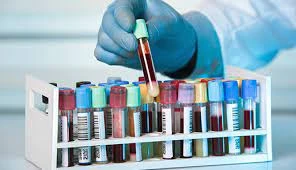
The TIBC test is a simple blood test. A trained phlebotomist will draw a small blood sample, usually from the vein in your arm. The procedure is quick, often taking only a few minutes. After the blood draw, you may experience minor discomfort or a small bruise at the puncture site, but these effects typically resolve quickly.
Once the sample is collected, it is analyzed in a laboratory to measure transferrin levels and calculate the total iron binding capacity. Your doctor will review the results, often alongside other iron studies, to assess whether your iron levels are within the normal range or if further investigation or treatment is needed.
Interpreting the Results
Understanding TIBC test results requires medical expertise. High TIBC levels may indicate iron deficiency, suggesting that your body is trying to increase iron transport. Low TIBC levels could indicate chronic disease, malnutrition, or iron overload. Physicians consider the TIBC results alongside serum iron, ferritin, and other laboratory tests to form a complete picture of your iron status.
Tips for a Smooth Testing Experience
- Arrive on time for your appointment to avoid unnecessary stress.
- Inform the lab personnel if you have a history of fainting during blood draws.
- Follow post-test instructions carefully, including when you can resume medications or supplements.
- Keep a record of your test results to monitor trends in iron levels over time.
Choosing the Right Diagnostic Centre
Selecting a reliable and well-equipped diagnostic center is critical to ensuring accurate test results. For residents in Udaipur, access to advanced testing facilities can make a significant difference in diagnosis and treatment. The TIBC Test in Udaipur is conducted at certified laboratories that follow stringent quality standards. Additionally, opting for the Best Diagnostic Centre in Udaipur ensures you benefit from experienced professionals, state-of-the-art equipment, and timely reporting of results.
Conclusion
Proper preparation for an Iron Binding Capacity Test is essential to obtain accurate and meaningful results. Patients should consult their healthcare provider, follow fasting and medication guidelines, stay hydrated, and choose a reputable diagnostic center. Understanding and monitoring iron levels can help prevent complications, improve overall health, and guide appropriate treatment strategies.
By following these steps, you can approach your TIBC test with confidence, knowing you are providing the most accurate information possible for your healthcare provider. Regular monitoring of iron levels, combined with professional medical guidance, is an important step in maintaining optimal health and preventing iron-related disorders.