
Choosing the right fabric can affect how a garment looks, feels, and performs after repeated use. For manufacturers, the goal is not simply to find an affordable material. The fabric should also match the garment’s purpose, care needs, comfort level, and expected lifespan. Polyester-cotton is a popular option because it combines useful qualities from both fibers.
However, not every polyester-cotton blend works the same way. Different garments may need different fabric weights, finishes, and fiber ratios. So, how should manufacturers make the right choice?
What Should Manufacturers Consider First?
Start with the purpose of the garment. A work shirt may need strength and easy care, while a casual top may place more focus on softness and comfort.
Manufacturers should consider:
- Garment type
- Expected level of wear
- Desired softness
- Fabric weight
- Breathability
- Shrinkage
- Washing requirements
- Color and finish
Once these points are clear, it becomes easier to narrow down suitable fabric options.
Is Polyester Cotton Good for Everyday Clothing?
Yes. Blended fabric can be a practical choice for everyday shirts, tops, uniforms, and casual clothing. Polyester adds strength and helps the fabric keep its shape. Cotton, on the other hand, can add softness and breathability.
This balance makes the fabric useful for garments that need to look good without requiring overly complicated care. It can also work well for large clothing collections where manufacturers need consistent performance across many pieces.
Which Blend Works Best for Workwear?
Workwear often faces more wear and frequent washing than regular clothing. Therefore, manufacturers should look for a blend that offers durability, shape retention, and easy maintenance. A higher polyester content may be useful for garments that need greater resistance to wrinkles and repeated washing. However, adding enough cotton can make the garment more comfortable during long work shifts.
For uniforms, the right balance can also help maintain a neat appearance throughout the day. That matters for industries where employees need to look professional while staying active.
Can It Be Used for Sports and Active Garments?
It can, but manufacturers need to choose carefully. Traditional polyester-cotton blends may not provide the same moisture-management performance as fabrics made specifically for athletic wear.
Still, they can work for light activity shirts, school sports uniforms, training clothing, and casual activewear. Fabric weight and construction are especially important here. A lighter fabric may feel more comfortable during movement, while a heavier option may provide better structure.
Manufacturers should also consider how quickly the garment needs to dry and how much airflow the wearer needs.
What About Shirts and Casual Tops?
Shirts are one of the most common applications for blended fabrics. A polyester-cotton blend can provide a good middle ground between comfort and durability.
For casual shirts, manufacturers may prefer a softer cotton-rich blend. For uniforms and promotional shirts, a stronger polyester-rich option may make more sense. The choice should match how the garment will be worn and washed.
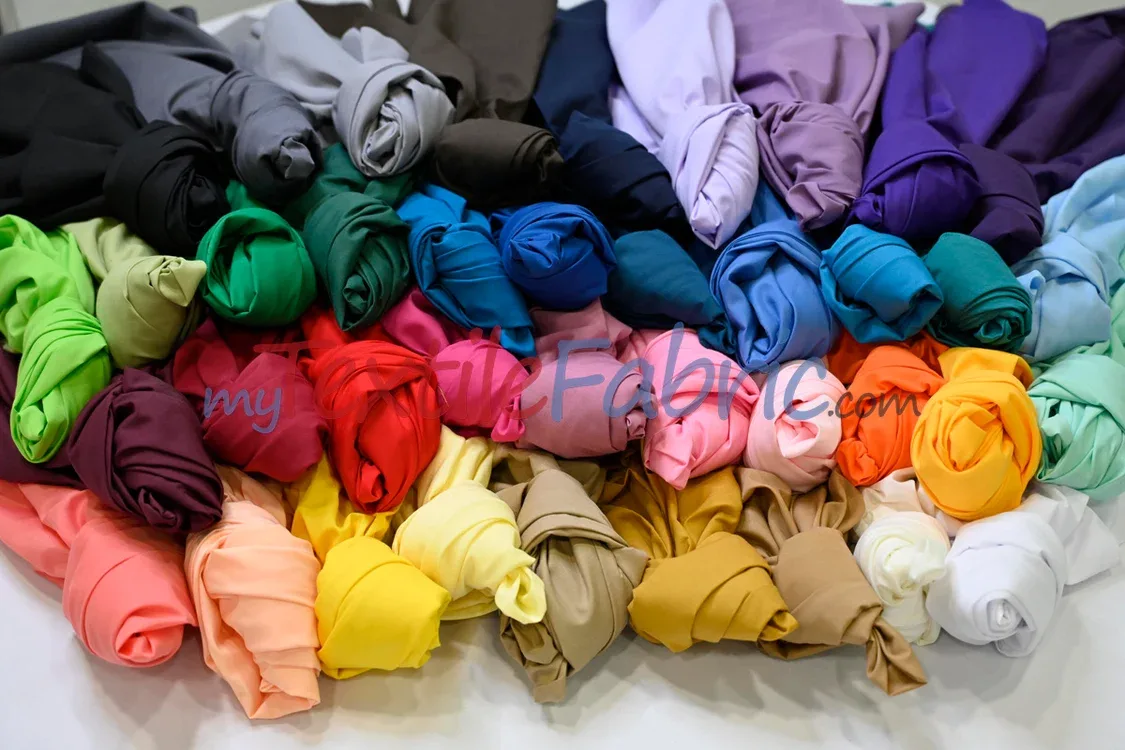
Color selection matters, too. Blended fabrics can support a wide range of garment colors, allowing brands to create collections for different markets and customer preferences.
Is Polyester Cotton Suitable for Children's Clothing?
It can be suitable for children's garments, particularly school uniforms, casual shirts, and everyday basics. However, comfort should remain a major consideration. Children's clothing often needs to handle frequent washing, spills, and active movement. A suitable blend can provide durability while still offering a comfortable feel.
Manufacturers should also pay attention to fabric softness, weight, seam comfort, and finishing treatments. After all, a durable garment is not much use if children find it uncomfortable to wear.
How Can Manufacturers Balance Cost and Quality?
Cost is always part of the equation, especially for large production runs. However, choosing the cheapest fabric can backfire if the finished garments wear out quickly or lose their shape after washing.
Manufacturers should compare fabric prices with expected performance. Buying in larger quantities may lower material costs, while checking an online fabric store coupon can sometimes help reduce purchasing expenses for smaller orders or samples.
The smarter approach is to consider the total value of the fabric rather than its price alone.
Should Fabric Weight Match the Garment?
Absolutely. Fabric weight can change both the appearance and comfort of a garment.
Lightweight blends can work well for summer shirts, casual tops, and warm-weather uniforms. Medium-weight options may be better for everyday work shirts and school uniforms. Heavier fabrics can provide more structure and may suit jackets, overshirts, or durable workwear.
Choosing the wrong weight can affect drape, breathability, and overall garment quality. So, manufacturers should always test the fabric before moving into full production.
Why Is Fabric Testing Important?
A fabric may look perfect on a sample roll but perform differently during production. Testing helps manufacturers spot potential problems early.
Important checks can include:
- Shrinkage after washing
- Colorfastness
- Seam performance
- Pilling
- Fabric strength
- Stretch and recovery
- Comfort against the skin
Testing also helps manufacturers decide whether the fabric meets the needs of a specific garment category.
Can One Fabric Work for Every Garment?
Not always. A blend that works beautifully for a uniform may not be the best choice for lightweight summer clothing. Likewise, fabric designed for casual shirts may not offer enough strength for demanding workwear.
That is why manufacturers should choose polyester cotton based on the garment's actual requirements rather than relying on one standard blend for every product.
The right fabric can improve comfort, appearance, durability, and customer satisfaction. By comparing fiber ratios, weight, finish, care needs, and cost, apparel manufacturers can make better fabric choices for each garment application. Even small differences in fabric selection can make a noticeable impact once production reaches hundreds or thousands of pieces.