
Managing chronic conditions often requires continuous monitoring, regular follow-ups, medication adherence, and ongoing communication between patients and providers. Traditional care models can make this difficult, especially when patients have mobility challenges or live far from healthcare facilities.
That is where RPM with Chronic Care can make a difference. By combining remote patient monitoring with chronic care management, providers can maintain better visibility into patients’ health between in-person visits.
Bringing Monitoring Beyond the Clinic
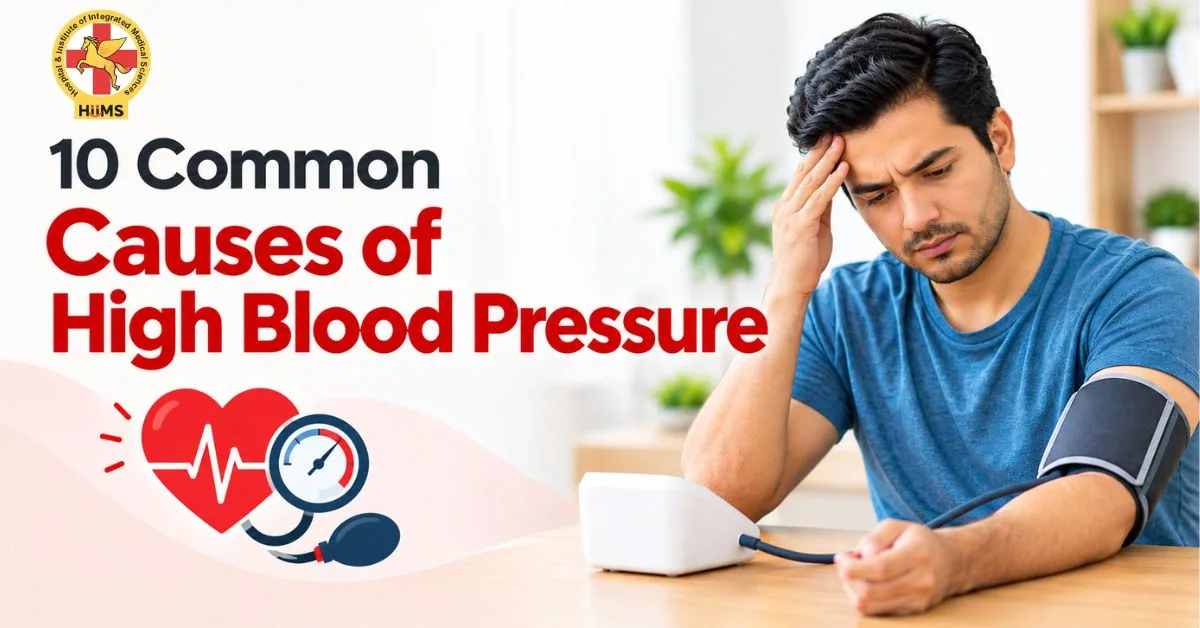
Patients with diabetes, hypertension, heart conditions, respiratory disorders, and other chronic illnesses may need frequent monitoring of vital signs. Connected devices and wearables can capture information such as blood pressure, glucose levels, heart rate, oxygen saturation, and weight.
With Remote Patient Monitoring for Chronic Diseases, this information can be securely transmitted to healthcare teams for review. Providers can track changes over time and determine when additional attention or follow-up may be needed.
Supporting Proactive Chronic Care
One of the biggest advantages of combining RPM and CCM is the ability to move from occasional checkups toward more continuous visibility.
Instead of waiting until the next appointment to discover that a patient's condition has changed, care teams can review remotely collected data and identify concerning trends earlier. This can support timely interventions and more personalized care planning.
Improving Patient Engagement
Successful chronic care depends heavily on patient participation. Patients need to understand their conditions, follow care plans, take medications as directed, and communicate with their healthcare teams.
RPM platforms can support this through reminders, secure messaging, patient education, symptom tracking, and easy access to health information. Giving patients a more active role can help them stay connected to their care plans.
Connecting Data With Healthcare Systems
A modern RPM platform should not operate as an isolated system. Connecting patient-generated data with EHRs and other healthcare applications can help providers access relevant information within existing workflows.
This can reduce manual data entry and create a more complete picture of the patient's health. Secure device integration, dashboards, data exchange, and care-team workflows can make remote monitoring more practical at scale.
Making Chronic Care More Accessible
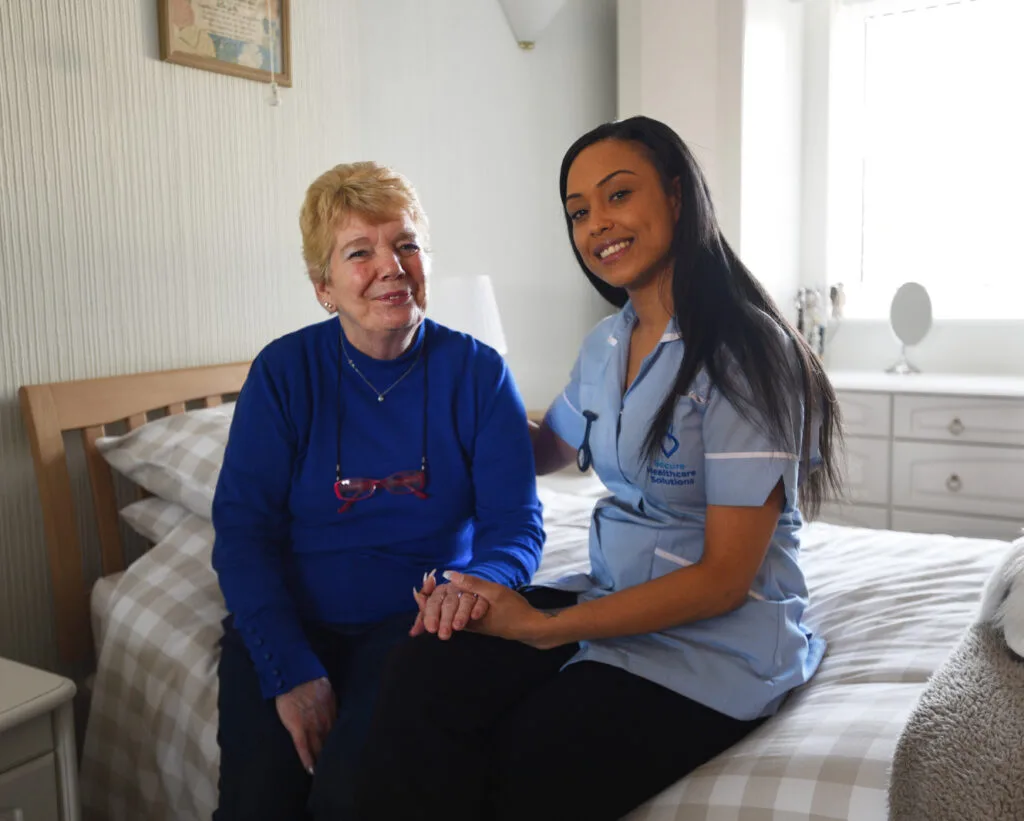
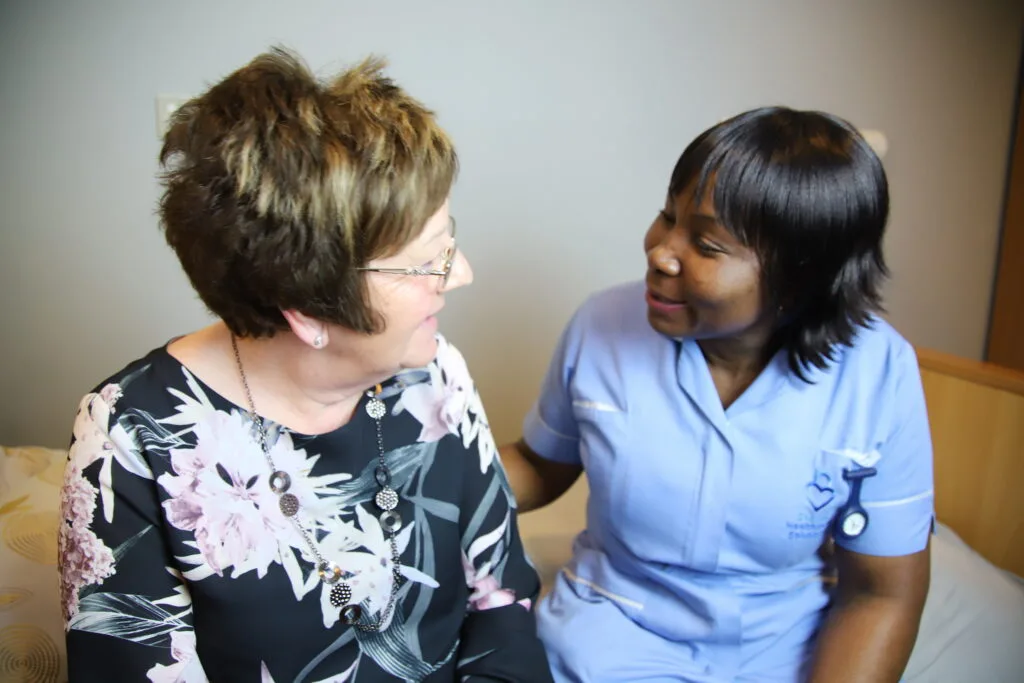
Traveling to a clinic for every health update can be challenging for elderly, homebound, and rural patients. Remote monitoring allows many routine health measurements to happen from home.
This can expand access to chronic care while reducing unnecessary trips and helping providers stay connected with patients between visits.
Building Smarter Chronic Care Programs
The combination of remote monitoring, connected devices, patient engagement, and care coordination creates a stronger foundation for modern chronic disease management.
With well-designed RPM for Chronic Care Management Development Services, healthcare organizations can create customized platforms that support vital tracking, care plans, patient dashboards, device integration, secure data exchange, and provider workflows.
Ultimately, RPM and chronic care management work best when technology supports—not replaces—the relationship between patients and their care teams.