
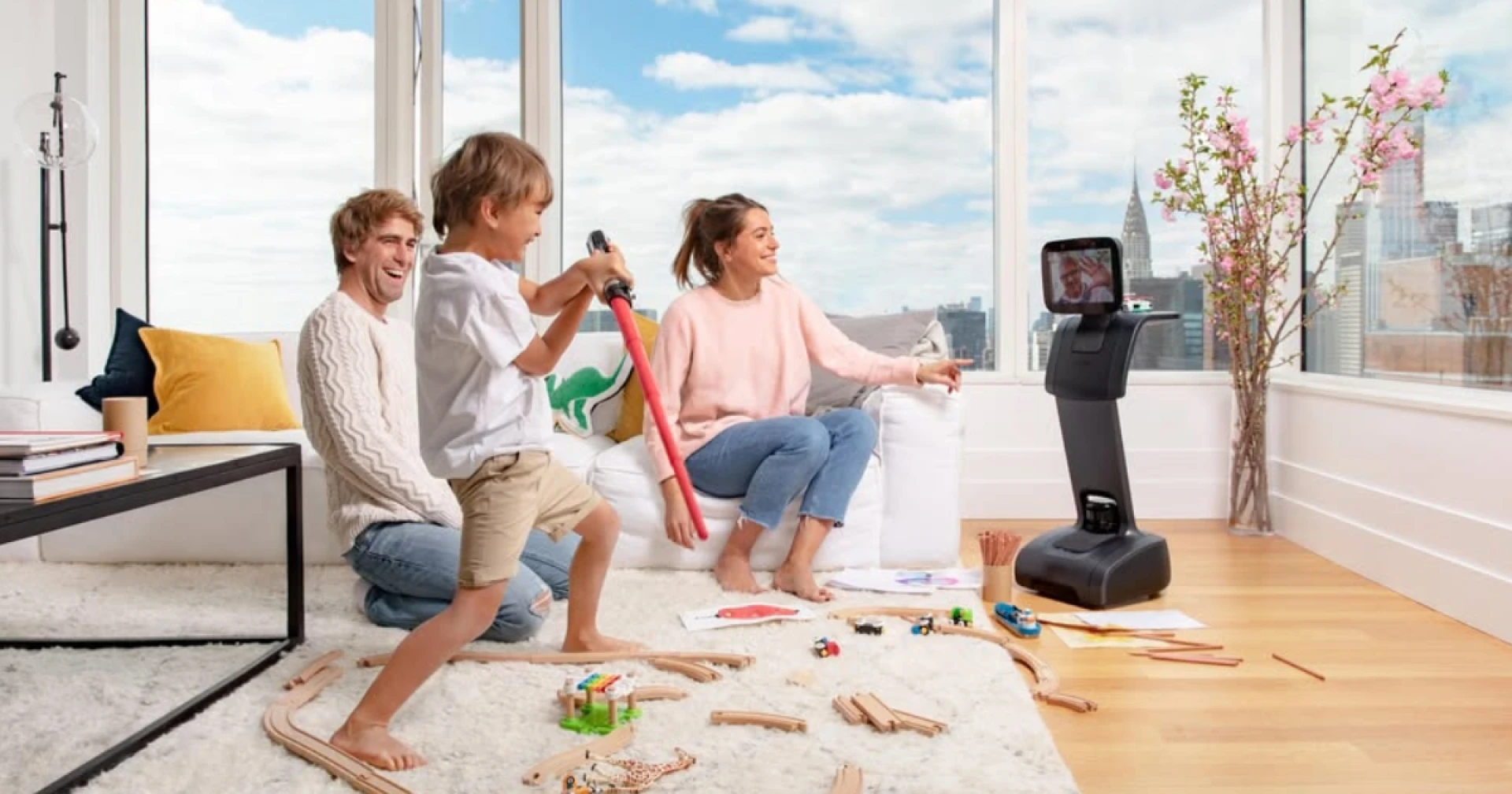
In the midst of fast-moving technological change, one shift is happening more subtly than we might realize: robots are entering everyday workspaces—not in labs or factories, but in restaurants, hotels, clinics, and reception areas. This isn’t science fiction; it’s quietly becoming part of real-world operations.
While industrial robots have long been a part of manufacturing floors, the new generation of AI-powered service robots is more mobile, interactive, and people-friendly. These machines are now being used in hospitality, healthcare, and even security—not to replace people, but to support staff in ways that improve efficiency and consistency.
Where Robots Are Making a Difference
Think about a front-desk robot in a clinic that checks in patients, answers common questions, and guides them to the right room. Or a hotel concierge robot that can greet international guests in multiple languages and help with directions. These use cases are already in play, and real-world trials show that customers often respond with curiosity, and even comfort, when assisted by well-designed service robots.
In this blog post, for instance, we explore how AI robots are reshaping guest experiences in hospitality—not by making things impersonal, but by allowing staff to focus more on personal, high-value interaction.
Aiding, Not Replacing
The biggest misconception around AI and robotics is the idea of replacement. But most successful use cases highlight how robots are simply filling in the gaps. In another detailed write-up, we talk about where robots can be helpful without disrupting human roles—especially in high-precision or repetitive tasks where consistency is critical.
Safety, Security, and Monitoring
Beyond customer-facing roles, robots are also entering spaces like warehouses and malls for automated patrolling and security support. Equipped with sensors and real-time alert systems, these robots offer 24/7 monitoring without fatigue. If you're curious about how this works practically, this post on autonomous security robots provides an insightful overview.
Final Thoughts
The role of robots in our daily environments is expanding—not with dramatic headlines, but through small, useful steps. As these technologies grow more affordable and customizable, it's likely we’ll see even more collaborative roles between people and machines in small businesses, clinics, schools, and offices.
What matters most is how we implement this shift—with a focus on enhancing human experiences, not just automating tasks. The conversation around robotics should be about augmentation, inclusion, and smarter work—not fear of replacement.
Let’s keep the dialogue open as we move forward into this new era.