A Retail POS (Point of Sale) system is more than just a billing tool. For small businesses, it acts as a complete business management system that helps streamline operations, improve customer experience, and increase profitability.
In simple terms, retail POS software helps small businesses run faster, smarter, and with fewer errors.
What Is Retail POS Software?
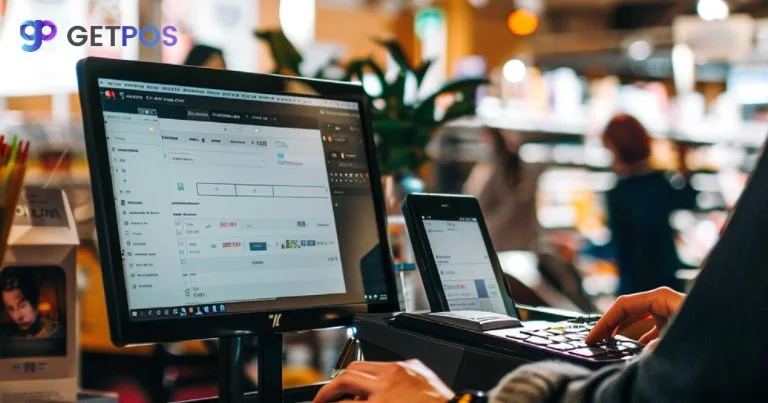
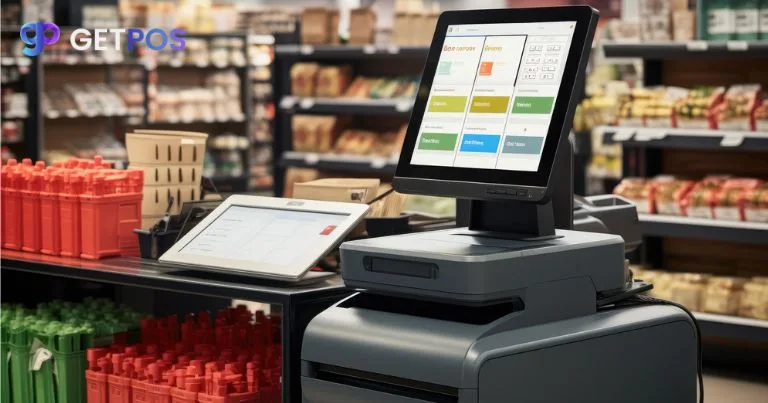
Retail POS software is a digital system used to process sales transactions in a store. It typically runs on a computer, tablet, or mobile device and connects with hardware like barcode scanners, receipt printers, and cash drawers.
Modern POS systems do much more than billing. They also manage:
- Inventory tracking
- Sales reporting
- Customer data
- Employee management
- Payment processing
How Retail POS Software Helps Small Businesses Grow
1. Speeds Up Billing and Checkout Process
Slow checkout lines can frustrate customers and reduce sales. A POS system speeds up billing with barcode scanning and automated pricing.
This means:
- Faster transactions
- Shorter queues
- Better customer satisfaction
For small retail shops, even a few saved minutes per customer can significantly improve daily sales volume.
2. Reduces Human Errors in Billing and Inventory
Manual billing often leads to pricing mistakes, wrong entries, or missing stock records.
Retail POS software automates these tasks:
- Automatically calculates totals and taxes
- Updates inventory after every sale
- Reduces duplicate or incorrect entries
This improves accuracy and prevents revenue loss.
3. Provides Real-Time Inventory Tracking
One of the biggest challenges for small businesses is stock management.
A POS system shows:
- What products are in stock
- What is running low
- What is overstocked
This helps business owners avoid both stockouts and overstocking, improving cash flow.
4. Helps Understand Customer Behavior
Modern POS systems store customer purchase data, which helps businesses understand buying patterns.
With this data, you can:
- Identify best-selling products
- Track repeat customers
- Create personalized offers
This leads to better marketing decisions and increased repeat sales.
5. Improves Business Decision-Making with Reports
Retail POS software generates detailed reports such as:
- Daily sales reports
- Profit and loss summaries
- Product performance analysis
These insights help small business owners make data-driven decisions instead of guessing.
6. Simplifies Multi-Payment Options
Customers today expect flexibility in payments.
A POS system supports:
- Cash payments
- Credit/debit cards
- UPI and mobile wallets
- Contactless payments
This increases convenience and improves conversion rates.
7. Helps Manage Employees Efficiently
POS systems also track employee activity, such as:
- Working hours
- Sales performance
- Transactions handled
This helps in better workforce management and accountability.
8. Supports Business Expansion
As a small business grows, operations become more complex. A POS system scales easily by:
- Managing multiple store locations
- Centralizing inventory
- Standardizing pricing and offers
This makes expansion smoother and more controlled.
Why Small Businesses Should Invest in Retail POS Software
For small businesses, every sale and every customer matters. A retail POS system helps by:
- Saving time
- Reducing costs
- Improving accuracy
- Increasing customer satisfaction
- Providing actionable insights
In short, it transforms a traditional shop into a smart retail business.
Conclusion
Retail POS software is no longer optional for small businesses—it is essential for growth. From faster billing to smarter inventory management and better customer insights, a POS system directly impacts profitability and scalability.
If you want to grow your small retail business, investing in the right POS solution is one of the most effective steps you can take today.