In today’s competitive hospitality landscape, restaurants can no longer rely solely on location or pricing to attract repeat customers. Food quality has become a central pillar of brand reputation, directly influencing customer loyalty, word-of-mouth referrals, and long-term profitability. Diners are increasingly discerning; they expect consistency, transparency, and a sense of care in every meal. Restaurants that understand this connection invest not just in recipes, but in systems, people, and experiences that elevate perceived and actual quality.
Ingredient Sourcing as the Foundation of Excellence
High-quality food begins long before it reaches the kitchen. Restaurants that prioritize fresh, ethically sourced, and locally available ingredients often see a noticeable improvement in flavor and customer trust. Transparent sourcing reassures guests that what they are eating is safe, sustainable, and thoughtfully selected. Seasonal menus built around peak ingredients also allow chefs to showcase natural flavors, reducing the need for excessive processing or additives. Over time, customers associate this integrity with reliability, making them more likely to return.
Menu Design and the Psychology of Choice
Menu design is both an art and a science. Well-structured menus guide diners toward signature dishes while avoiding cognitive overload. Restaurants that refine their menus regularly—removing underperforming items and highlighting customer favorites—signal attentiveness to feedback. Descriptive yet honest language, balanced pricing, and logical categorization help customers feel confident in their choices. This confidence enhances satisfaction, even before the first bite, reinforcing positive associations with the brand.
Consistency Through Training and Standardization
Exceptional food quality must be consistent to build loyalty. This is achieved through rigorous staff training, standardized recipes, and clear quality benchmarks. When chefs and kitchen staff understand not just how to prepare a dish, but why each step matters, execution improves across shifts and seasons. Front-of-house teams also play a role by communicating menu details accurately and managing expectations. Consistency reassures returning customers that their favorite dishes will meet the same standards every time.
The Role of Ambience and Service in Perceived Quality
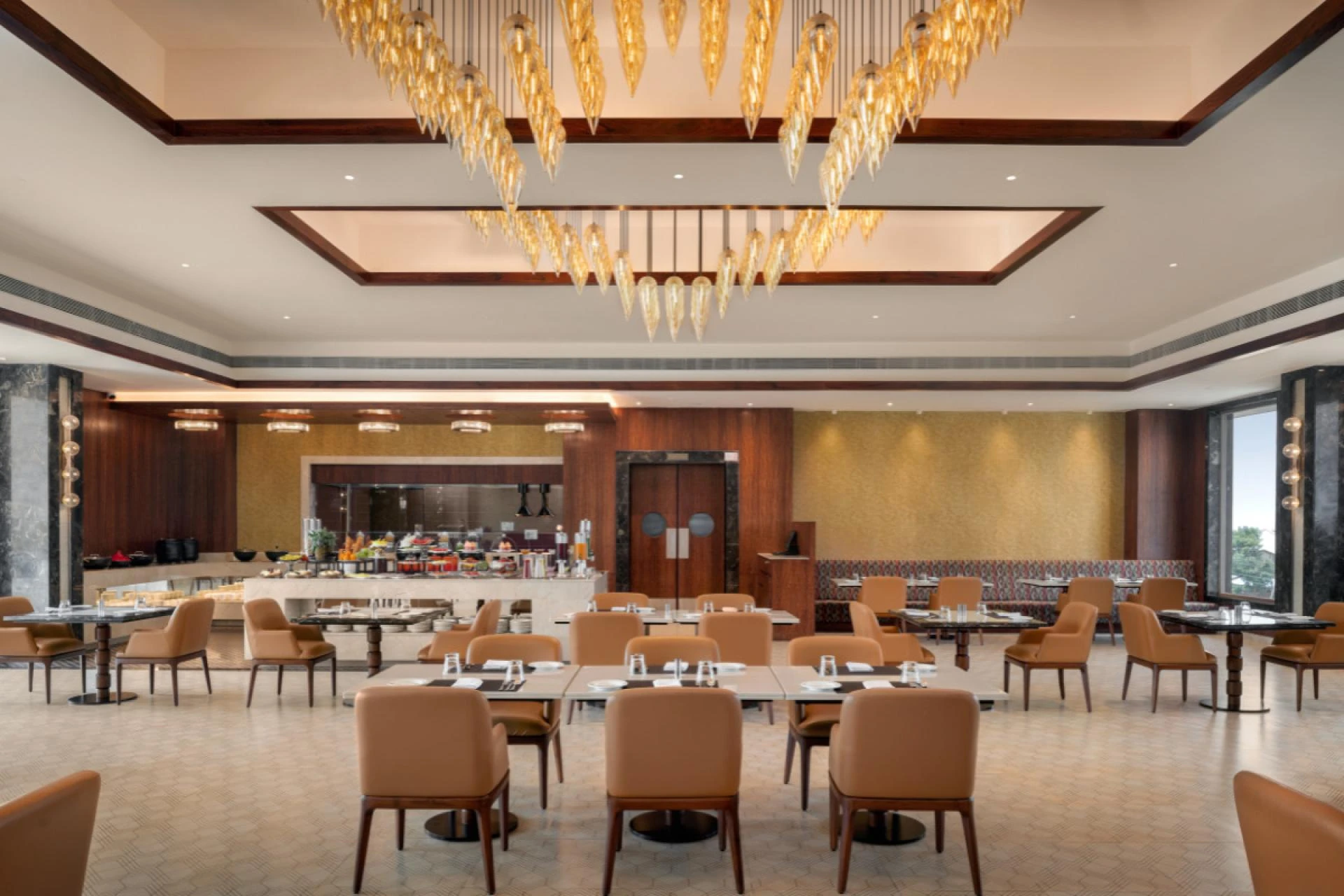
Food does not exist in isolation; it is experienced within a broader environment. Cleanliness, lighting, acoustics, and table presentation all influence how food is perceived. Attentive yet unobtrusive service enhances enjoyment and allows guests to focus on their meal. Restaurants that align ambience with their culinary identity—whether casual, luxurious, or family-oriented—create cohesive experiences that customers remember. This holistic approach strengthens emotional connections, a key driver of loyalty.
Leveraging Feedback to Drive Continuous Improvement
Customer feedback is one of the most valuable tools for improving food quality. Successful restaurants actively encourage reviews, listen without defensiveness, and act on recurring insights. Whether it’s adjusting spice levels, portion sizes, or presentation, visible responsiveness shows respect for the customer’s voice. Over time, patrons feel invested in the restaurant’s evolution, transforming from occasional diners into brand advocates.
Integrating Hospitality Beyond the Plate
Leading establishments recognize that loyalty is shaped by the entire hospitality journey. Properties like The Jasraj Palace exemplify how dining excellence can be complemented by comfort, service, and attention to detail across touchpoints. Guests who enjoy a memorable meal are more inclined to explore other offerings, from event hosting to stays at the same destination. This integrated approach strengthens brand recall and encourages repeat engagement across services, including experiences associated with the best accomodation in yavatmal.
Building Trust Through Culinary Identity
A clear culinary identity helps restaurants stand out in crowded markets. Whether rooted in regional traditions or contemporary innovation, authenticity builds trust. When customers understand what a restaurant represents, expectations align more easily with delivery. This alignment reduces disappointment and increases satisfaction. Establishments recognized as the best restaurant in yavatmal often achieve this status by staying true to their identity while continuously refining quality and service.
Long-Term Loyalty Through Meaningful Experiences
Ultimately, customer loyalty is earned through repeated positive experiences that feel personal and dependable. High food quality is the anchor, but it must be supported by thoughtful menu design, skilled execution, welcoming environments, and responsive management. Restaurants that view quality as a continuous commitment rather than a one-time achievement create lasting relationships with their guests. In doing so, they transform meals into memories—and customers into loyal patrons.