
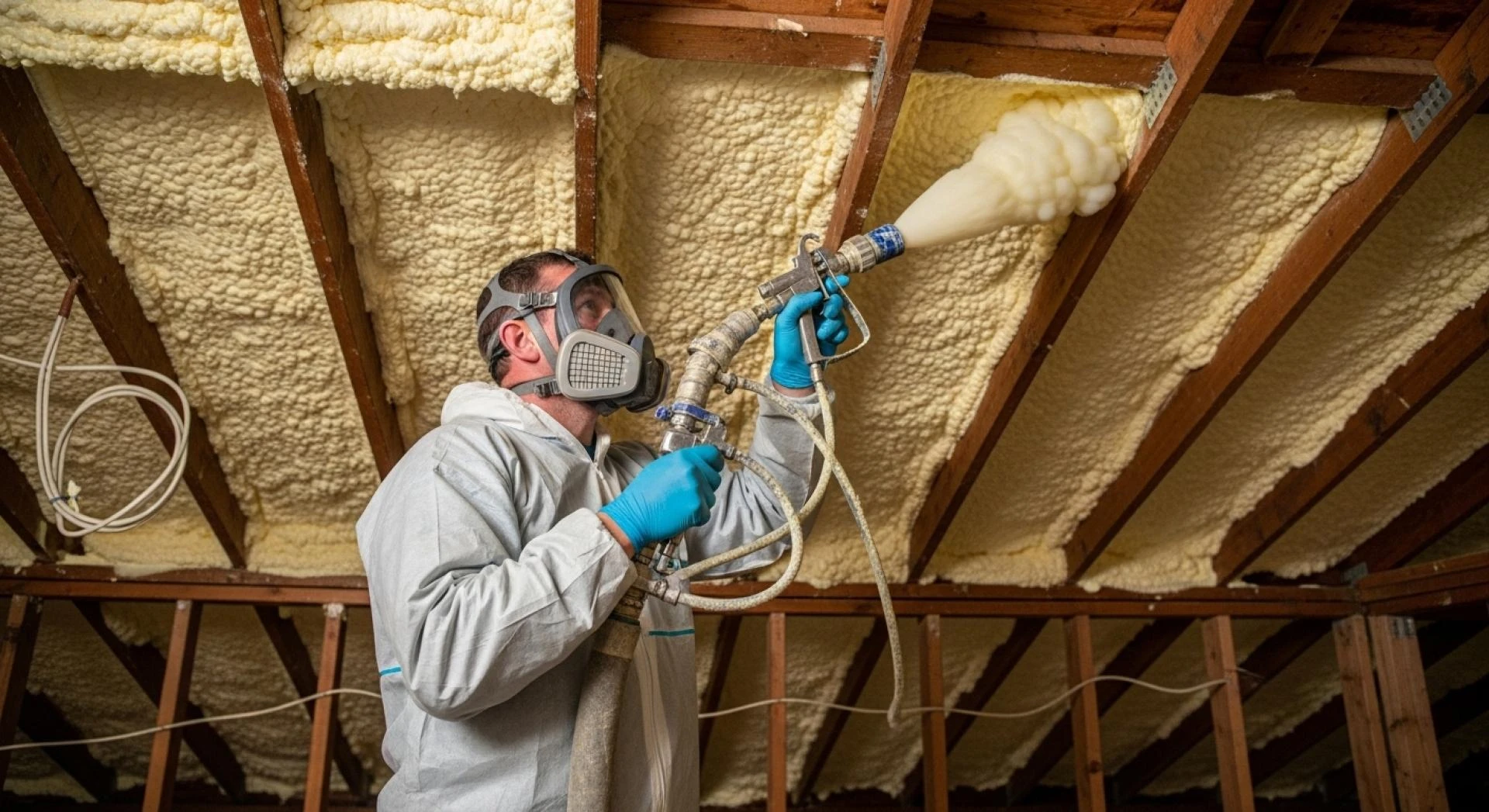
Residential Insulation plays a key role in reducing gaps and entry points where spiders enter homes. When walls, attics, and crawl spaces are properly sealed, small openings that insects use disappear. This limits access and improves overall indoor comfort.
Proper insulation also controls temperature and moisture. Spiders often enter buildings seeking warm, dry shelter. Residential Insulation Services and Residential Insulation Experts focus on sealing weak areas that attract pests.
How Insulation Blocks Spider Entry Points
Spiders enter through tiny cracks around framing, vents, and utility openings. Good insulation fills gaps and reduces hidden spaces.
It creates a tight barrier across walls and ceilings. That barrier limits movement through structural voids.
Common Entry Areas
- Gaps around windows and doors
- Wall cavities with missing insulation
- Attic penetrations for wiring and plumbing
Sealing these areas lowers the chance of pest movement inside living spaces.
Market research shows homes with sealed envelopes experience fewer pest complaints after insulation upgrades. Energy studies also report that improved air sealing reduces unwanted airflow by up to 25 percent in older structures.
Types of Residential Insulation That Improve Pest Control
Different insulation materials provide different levels of sealing and coverage.
Some materials block air leaks better than others. Strong air control reduces access points for spiders.
Material Options
- Spray foam insulation
- Blown-in fiberglass
- Blown cellulose
- Batt insulation with proper sealing
Each option supports pest prevention when installed correctly.
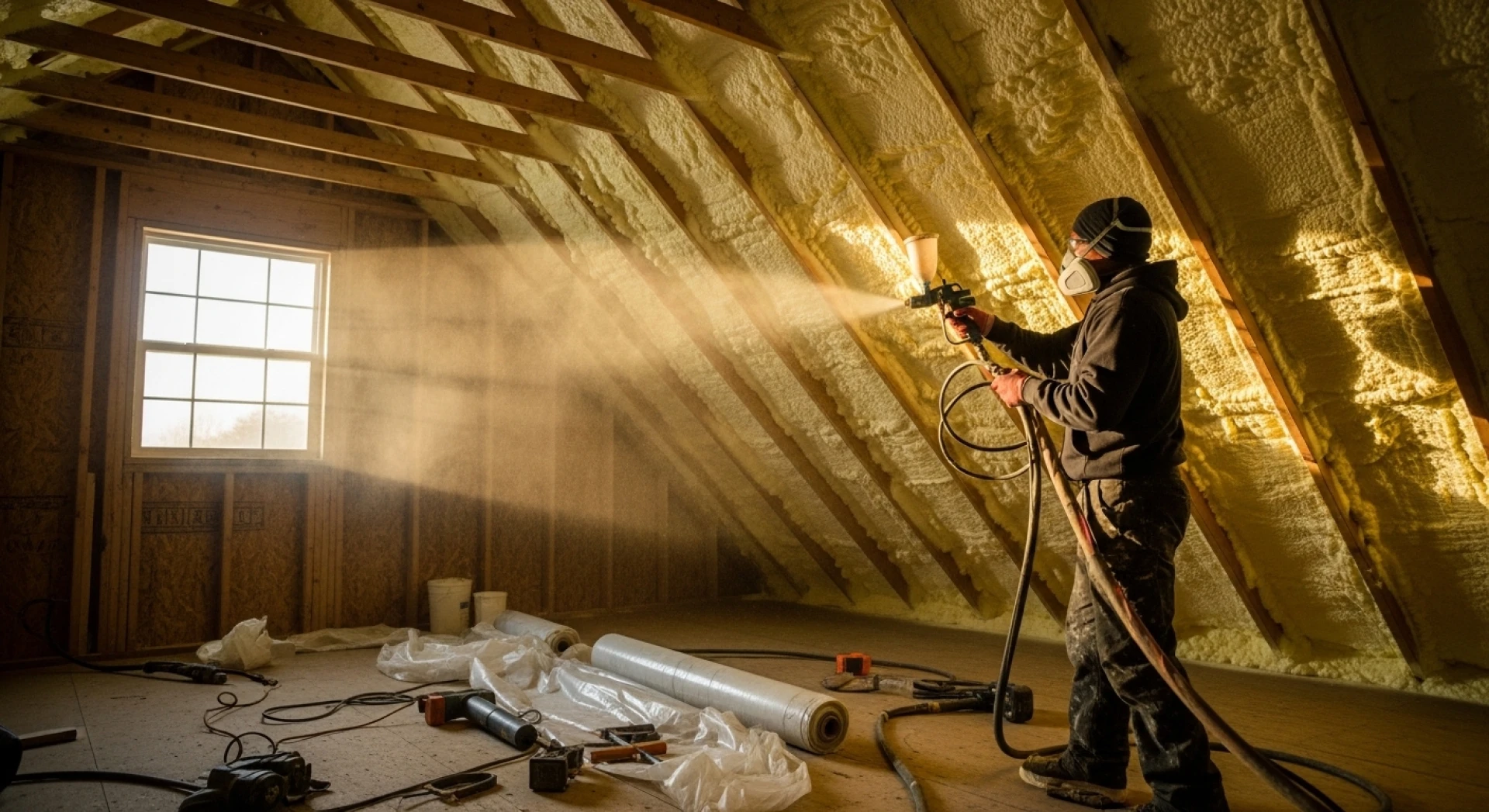
Performance Comparison
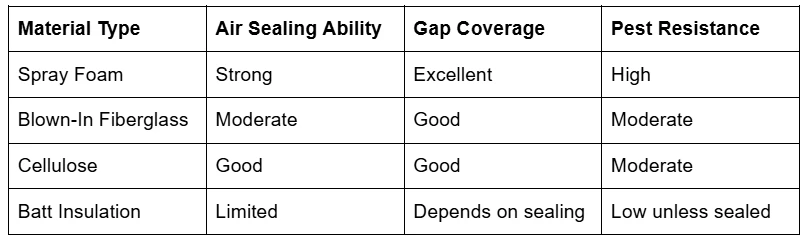
Spray foam often provides the strongest barrier because it expands and fills cracks completely.
Energy data shows that improved insulation can reduce heating loss by 15 percent to 30 percent depending on building condition. Strong air sealing also removes pathways spiders use to travel through wall cavities.
Moisture Control and Pest Prevention
Spiders prefer damp areas with stable shelter. Moisture buildup inside walls increases pest activity.
Proper insulation controls condensation and humidity levels.
Key Moisture Control Benefits
- Reduces damp wall cavities
- Limits mold growth that attracts insects
- Improves indoor air stability
Air sealing combined with insulation prevents moisture from entering hidden spaces.
Bonus Insight
- Inspect crawl spaces before insulation upgrades
- Seal plumbing and duct openings first
- Maintain proper ventilation in attics
These steps strengthen protection against pests.
Why Climate Matters in the Pacific Northwest
Regions with high rainfall and cool temperatures create conditions where pests search for indoor shelter.
Salmon Creek and surrounding areas experience seasonal moisture and temperature shifts.
Buildings in this region benefit from:
- Strong vapor barriers
- Proper attic insulation thickness
- Sealed foundation walls
Proper insulation prevents warm indoor air from leaking into cold areas where condensation forms.
Temperature stability reduces the chance of cracks forming in building materials over time.
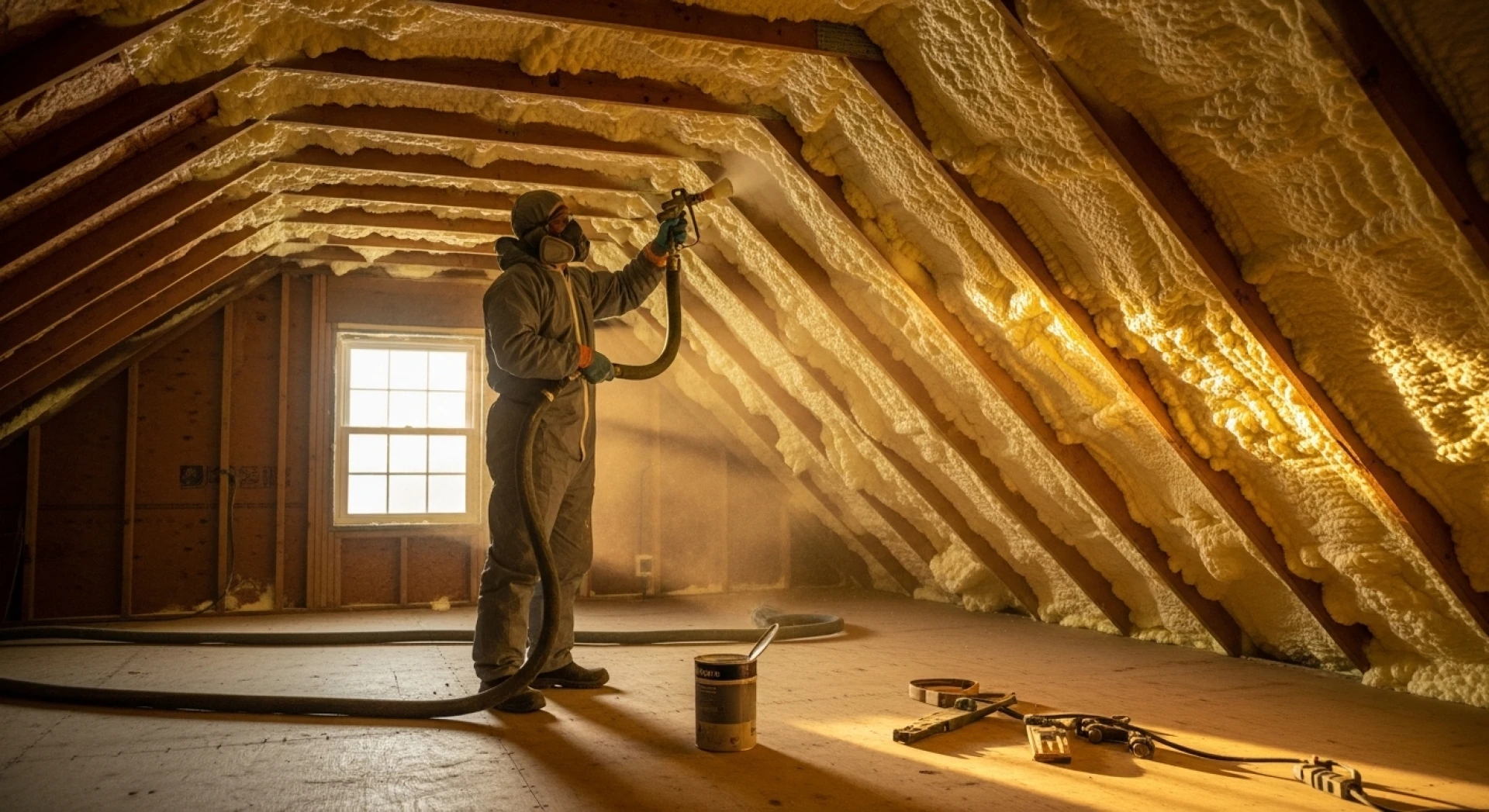
Things to Consider Before Making a Decision
Before upgrading insulation, property owners evaluate current building conditions.
They check:
- Existing insulation depth
- Signs of moisture damage
- Gaps around utility lines
- Structural cracks in walls or ceilings
Older homes often need air sealing before new insulation is installed.
New construction projects allow better pest control planning during early building stages.
Careful inspection ensures that insulation upgrades deliver long-term protection.
Bonus Tips
- Schedule a professional inspection before upgrades
- Use thermal imaging to locate hidden gaps
- Combine insulation with exterior sealing repairs
Long Term Benefits of Proper Insulation
Upgrading insulation improves energy efficiency and reduces pest entry.
Strong insulation systems:
- Lower heating and cooling costs
- Improve indoor comfort
- Reduce pest intrusion
- Extend HVAC system lifespan
Commercial and residential property owners see improved performance when insulation covers all weak areas.
Industry data shows that buildings with sealed air barriers reduce energy waste significantly compared to poorly insulated properties.
Questions People Ask About
Can insulation completely stop spiders from entering
It reduces entry points but does not guarantee complete prevention. Proper sealing and maintenance improve results.
Which insulation type works best for pest control
Spray foam typically offers the strongest air sealing and gap coverage.
Does old insulation attract spiders
Old insulation itself does not attract spiders. However, gaps and moisture inside damaged insulation create shelter.
How often should insulation be inspected
Inspections should occur every few years or after roof repairs and water leaks.
Can insulation reduce other pests besides spiders
Yes. Strong air sealing limits access for insects, rodents, and other small pests.
Conclusion
Residential Insulation Services help reduce spider entry by sealing gaps and improving air control. Proper installation limits moisture buildup and blocks hidden access points.
Property owners should inspect existing insulation and upgrade weak areas to improve protection. Careful planning leads to better energy efficiency and cleaner indoor environments.
Professional Support for Installation
Prestige Insulation Solutions provides evaluation and installation support for homes looking to improve insulation performance and pest control.
They assess structural gaps and recommend suitable insulation upgrades.
For details:
Email [email protected] Phone (850) 429-4969
They guide property owners through insulation planning and ensure proper sealing techniques are applied.
Author: Rene Zamarripa is an insulation professional with 17 years of hands-on experience in residential and commercial systems.
Reviewer: Benjamin Lee has over 13 years of experience in insulation work and reviewed this content for technical accuracy and practical insight.