
The energy industry is a cornerstone of modern society, providing the power needed to fuel industries, homes, and transportation. Over the past few decades, there has been a growing shift toward sustainable and renewable energy solutions, aimed at reducing dependence on fossil fuels and mitigating environmental impacts. This transformation is being driven by technological advancements, governmental policies, and consumer demand for cleaner energy sources. As the world increasingly prioritizes sustainability, the energy sector continues to innovate and adapt, leading to a future where clean and efficient power is more accessible than ever before.
The Evolution of the Energy Industry
The energy industry has undergone significant changes from its early dependence on coal and oil to the adoption of renewable energy sources such as solar, wind, hydro, and bioenergy. The transition to cleaner energy has been influenced by several key factors, including:
- Climate Change Concerns – Global warming and environmental degradation have forced industries and governments to rethink energy production and consumption. The increasing frequency of natural disasters and extreme weather events has heightened awareness of the urgent need to reduce carbon emissions.
- Technological Innovations – Advances in battery storage, smart grids, and energy-efficient solutions have made renewable energy more accessible. Breakthroughs in photovoltaic (PV) technology and wind turbine design have significantly improved energy output and efficiency.
- Government Policies – Many countries are setting ambitious renewable energy targets and providing incentives for clean energy adoption. Carbon pricing, subsidies for green energy, and stringent emission regulations are pushing industries toward sustainable practices.
- Public Awareness and Demand – Consumers and businesses are increasingly prioritizing sustainable energy solutions. Green certifications and corporate sustainability goals are influencing energy choices on a global scale.
Types of Renewable Energy Sources that Transform the Industry
1. Solar Energy
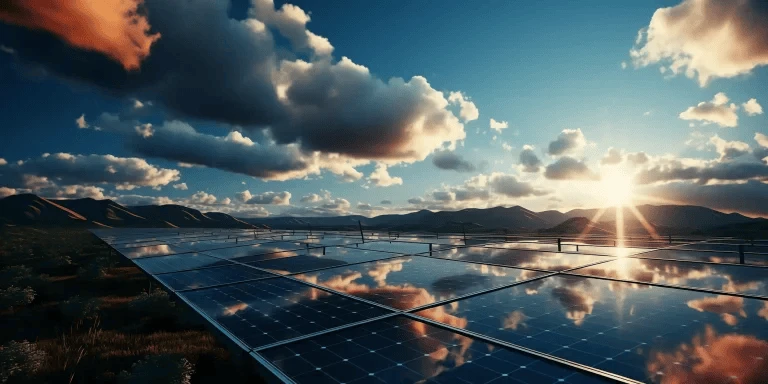
Solar power is one of the fastest-growing renewable energy sources. Advances in photovoltaic (PV) technology have led to a decrease in production costs, making solar energy more viable for residential, commercial, and industrial applications. Large-scale solar farms are now supplying electricity to power grids, reducing reliance on fossil fuels. Innovations such as solar tracking systems and bifacial solar panels are improving efficiency and maximizing energy output.
2. Wind Energy
Wind turbines harness kinetic energy from wind to generate electricity. Wind power has become a crucial part of the energy mix in many countries, with offshore wind farms providing additional capacity. Technological advancements have led to more efficient turbines capable of generating higher energy outputs, even at lower wind speeds. Floating wind farms, which can be deployed in deep waters, are further expanding the potential for wind energy production.
3. Hydroelectric Power
Hydropower remains one of the most reliable and widely used renewable energy sources. By utilizing the energy of flowing water, hydroelectric plants generate electricity without harmful emissions. However, concerns about ecosystem disruption have led to innovations in smaller, less invasive hydroelectric systems. Run-of-river and pumped-storage hydropower systems offer sustainable alternatives that minimize environmental impact.
4. Bioenergy
Bioenergy is derived from organic materials such as agricultural waste, wood, and algae. Biofuels, such as ethanol and biodiesel, offer an alternative to petroleum-based fuels, reducing carbon emissions in transportation and industrial applications. Sustainable bioenergy production ensures that resources are replenished, preventing overexploitation. Advances in bioengineering are making biofuels more efficient and scalable.
5. Geothermal Energy
Geothermal power harnesses heat from beneath the Earth's surface to generate electricity and provide direct heating. This energy source is highly sustainable and provides consistent power output, making it a reliable alternative to traditional fossil fuels. Enhanced geothermal systems (EGS) and deep drilling technologies are expanding the feasibility of geothermal energy in more regions worldwide.
The Role of Energy Storage and Smart Grids
Energy storage solutions, such as lithium-ion batteries and pumped hydro storage, are essential for balancing supply and demand in the renewable energy sector. Storage technologies allow excess energy to be stored and used when needed, improving grid stability. The development of solid-state batteries and flow batteries promises to enhance energy storage capacity and lifespan, further supporting the integration of renewable energy.
Smart grids play a crucial role in modernizing the energy industry by enhancing efficiency, reducing outages, and integrating renewable energy sources seamlessly. These grids use advanced sensors, automation, and artificial intelligence to optimize energy distribution and consumption. Demand response programs, enabled by smart grid technology, allow consumers to adjust their energy usage based on real-time pricing and availability.
The Economic and Environmental Impact of Renewable Energy
Economic Benefits
- Job Creation – The renewable energy sector has generated millions of jobs worldwide in solar panel manufacturing, wind turbine installation, and energy-efficient technology development. The transition to clean energy continues to drive employment growth in emerging green industries.
- Energy Independence – Countries investing in renewable energy reduce their reliance on imported fuels, enhancing energy security and stabilizing energy prices.
- Cost Savings – As technology improves, the cost of renewable energy continues to decrease, making it more competitive with traditional energy sources. Businesses and homeowners adopting renewable energy can benefit from long-term savings on energy bills.
Environmental Benefits
- Reduced Carbon Emissions – Transitioning to renewable energy significantly lowers greenhouse gas emissions, slowing the pace of climate change.
- Less Pollution – Unlike fossil fuels, renewable energy sources do not produce harmful pollutants that contribute to air and water contamination.
- Conservation of Resources – Sustainable energy solutions help preserve finite natural resources, reducing the strain on ecosystems and biodiversity.
Challenges in the Energy Industry
Despite the benefits, the energy industry faces challenges that must be addressed to ensure a seamless transition to sustainable power:
- Intermittency Issues – Solar and wind energy production depends on weather conditions, necessitating improved storage solutions and diversified energy sources.
- Infrastructure Development – Expanding renewable energy requires substantial investment in new infrastructure and modernization of existing grids. Upgrading transmission lines and building new energy storage facilities are critical for supporting renewable integration.
- Policy and Regulation – Governments play a key role in incentivizing clean energy adoption through regulations and subsidies. Clear and consistent policies are needed to encourage investment and innovation.
- Public Awareness and Acceptance – While support for renewable energy is growing, some communities resist large-scale projects due to land use and aesthetic concerns. Community engagement and transparent planning can help address these challenges.
The Future of the Energy Industry
The future of the energy industry is focused on innovation, efficiency, and sustainability. Key trends shaping the industry's future include:
- Advanced Energy Storage – Emerging battery technologies will enhance grid reliability and energy security.
- Decentralized Energy Production – More households and businesses will generate their own power through solar panels and microgrids, reducing reliance on centralized power grids.
- Integration of Artificial Intelligence – AI and machine learning will optimize energy distribution, predicting demand patterns and improving efficiency.
- Hydrogen Power – Green hydrogen, produced using renewable energy, will play a significant role in reducing carbon emissions in industries such as transportation and manufacturing.
Conclusion
The energy industry is at a pivotal moment, with renewable energy leading the way toward a more sustainable and resilient future. Governments, businesses, and consumers must collaborate to accelerate the transition to cleaner energy sources, ensuring economic growth, environmental protection, and energy security for future generations. As advancements continue, the world moves closer to an era where clean, efficient, and renewable energy powers our daily lives. With continued innovation and commitment, the energy industry can drive a sustainable future, making renewable energy the foundation of a cleaner and greener world.