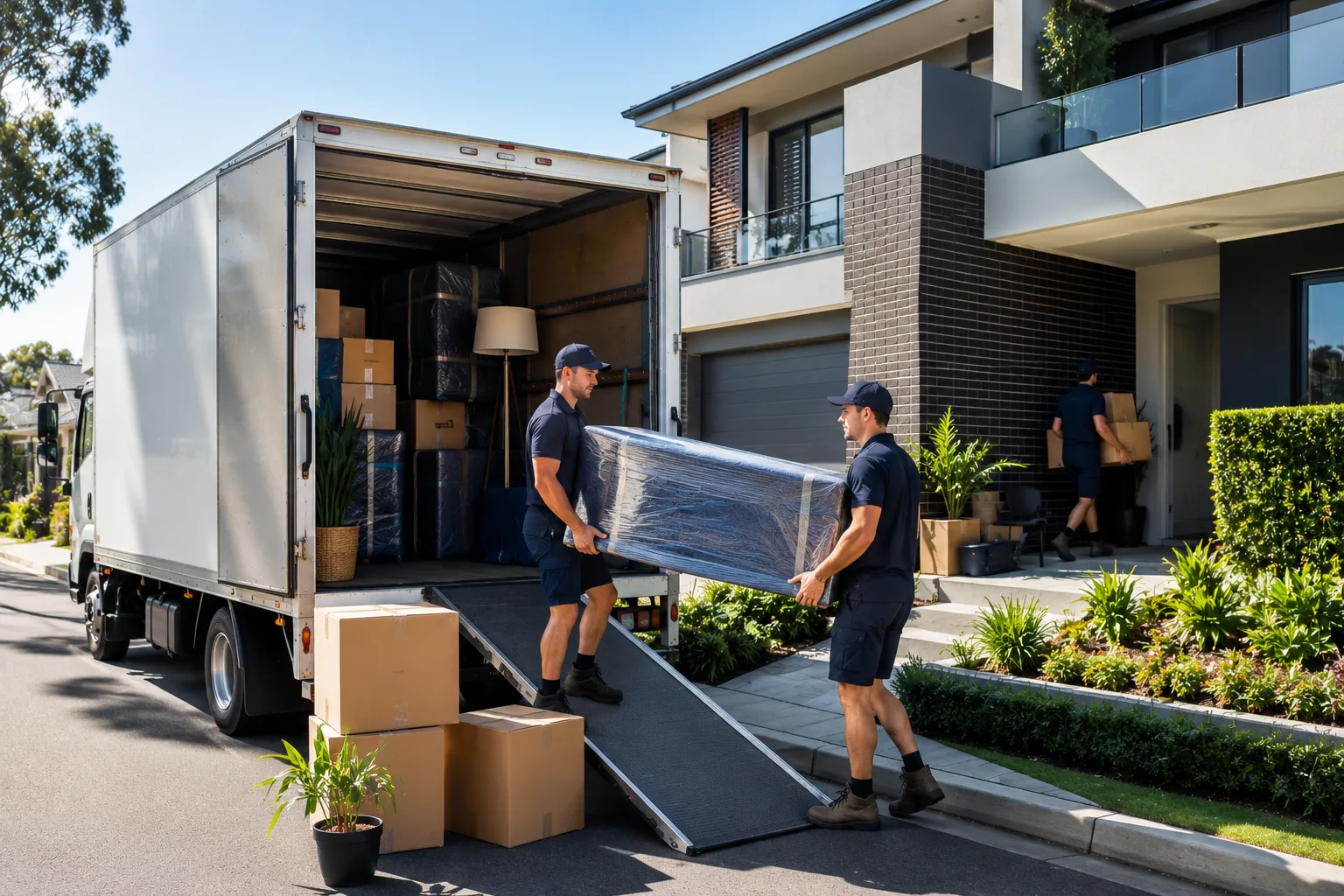
Moving house can feel like a lot to manage at once. There are boxes to organize, furniture to move, access to think about, and a new home waiting at the other end. Removalists Fremantle can take care of the physical side of the move while keeping the whole process organized from the moment loading begins until the last item is placed.
But what actually happens during a professional move? Understanding the process can help you know what to expect and prepare your home properly.
The Move Starts Before the First Item Is Loaded
A moving job does not really begin when the truck arrives. A good team first needs to understand what is being moved and what the property is like.
Every home is different. Some have wide entrances and easy vehicle access, while others may have stairs, narrow hallways, small driveways, or limited parking.
Before work starts, movers may consider:
- The number of items being relocated
- Large or awkward pieces of furniture
- Stairs and narrow passages
- Entry and exit points
- Distance between the house and truck
- Access at the new property
- Items that need extra care
- The order in which belongings should be loaded
This gives the crew a clear idea of how to approach the job.
Preparing the Home for Loading
Once the moving team arrives, the next step is getting the property ready for the work.
Clear pathways make a big difference. If boxes, shoes, small furniture, or other items are sitting near doorways, movers have less room to work. Creating a clear route can make carrying larger items much easier.
Furniture may also need some preparation before it leaves the house. Depending on the item, this could involve wrapping exposed surfaces, removing detachable parts, or making sure drawers and doors are secure.
Why the Order of Work Matters
Movers do not simply grab whichever item is closest to the door. The order can affect how efficiently the truck is loaded and how easy it will be to unload later.
Larger pieces often need to be positioned carefully inside the truck. Smaller boxes can then be arranged around them while keeping the overall load stable and accessible.
A little thought at this stage can save time later.
Handling Large and Awkward Furniture
Large furniture can be one of the hardest parts of a house move. A sofa might fit comfortably in a living room but become difficult to maneuver through a doorway or around a tight corner.
This is where choosing experienced furniture removalists can make the process easier. A professional team can assess the size and shape of each item, check the available route, and decide how it should be moved before lifting it.
This is especially useful for:
- Sofas and sectional couches
- Beds and bed frames
- Dining tables
- Cabinets
- Wardrobes
- Desks
- Large entertainment units
The aim is to move each item in a controlled way rather than rushing through a difficult area.
Loading the Truck
Once belongings are ready, the team begins loading the truck.
This stage requires more thought than simply filling every available space. Furniture and boxes need to be arranged in a way that makes sense for the journey and the eventual unloading process.
Heavy items need suitable positioning, while delicate belongings need appropriate protection. The crew also needs to make good use of the available space without putting unnecessary pressure on individual items.
Loading With the Destination in Mind
A useful loading strategy considers what will happen when the truck reaches the new property.
For example, if bedroom furniture needs to come off early, its position inside the truck should support that plan. Items that will remain inside until later should not unnecessarily block the belongings that need to be unloaded first.
This is one of the small details that can make a noticeable difference on moving day.
Keeping Belongings Organized During Transport
After loading is complete, the truck heads to the new property. At this point, the main focus is keeping the load secure and arriving according to the agreed schedule.
For the customer, this part of the move may seem simple. However, the work done before departure matters here. Proper positioning and protection help keep belongings organized during transportation.
It is also useful for customers to keep important personal items with them rather than placing everything on the moving truck.
Documents, keys, chargers, personal essentials, and other items you may need immediately should be easy to access.
Arriving at the New Property
The unloading stage starts with a quick look at the new property.
The team needs to understand where furniture and boxes should go. If there are stairs, narrow entrances, or other access concerns, the unloading approach may need to change.
Clear communication helps at this point. Letting the movers know where larger items belong can prevent unnecessary repositioning later.
Unloading Room by Room
Rather than putting everything in one convenient spot, a room-by-room approach can make settling in much easier.
Bedroom furniture can go into the bedroom. Dining furniture can be taken to the dining area. Boxes can be placed according to their labels or the instructions provided.
This means you are not left with a pile of furniture and boxes that still need to be moved around after the crew leaves.
Placing Furniture in the Right Position
Getting furniture through the front door is only part of the job. Where it ends up also matters.
A large sofa may need to be positioned carefully so it does not block a walkway. A wardrobe may need to sit in a particular part of the bedroom. A dining table may need to be placed where there is enough room to move around it.
Clear instructions from the customer help the moving team understand the preferred arrangement.
If you already know where your larger belongings should go, sharing that information before unloading starts can make the final stage much smoother.
How Movers Deal With Unexpected Problems
Even a well-organized move can have surprises.
A parking area may not be available. An entrance may be narrower than expected. Access to the new property could take longer than planned. Furniture may also prove more difficult to maneuver than it looked during the initial assessment.
Good movers need to stay calm and adjust their approach.
Instead of forcing an item through a difficult route, the team can reassess the situation and consider another practical option. This flexibility is particularly important when working in unfamiliar properties.
What You Can Do Before Moving Day
Professional movers handle much of the physical work, but customers can still make the day easier.
Keep Important Items Separate
Set aside anything you will need immediately after arriving at the new home.
Label Your Boxes Clearly
Simple labels can help the unloading team understand where boxes belong.
Clear the Main Walkways
Remove unnecessary obstacles from hallways, entrances, and stairs.
Share Access Information
Tell the moving team about parking restrictions, stairs, lifts, gates, or other details that could affect the job.
Confirm Your Preferred Furniture Placement
If you already have a basic idea of where large furniture should go, communicate it before unloading begins.
These small steps can make the moving day feel much more manageable.
Why Experience Matters During a Move
Moving involves many small decisions that are easy to overlook when you are doing everything yourself.
Professional movers bring practical experience to those decisions. They know that carrying a sofa through a narrow doorway is different from moving a small box. They also understand that loading and unloading should work together rather than being treated as two unrelated tasks.
For customers, that experience can mean less physical work and fewer decisions to make on an already busy day.
Final Thoughts
From preparing the first item for loading to placing the final piece of furniture in the new home, every part of a relocation plays a role. Removalists Fremantle manage these stages by combining practical planning, careful handling, organized loading, reliable transportation, and a clear unloading process.
If you are planning a move, taking the time to understand how the process works can help you prepare with greater confidence. And when you want professional help with the physical side of your relocation, contact our team to discuss your moving requirements and request a quote.