
Completing a CPR or first aid course equips people with essential lifesaving knowledge, but real emergencies rarely allow time to think through steps slowly. In moments of cardiac arrest, choking, or sudden collapse, stress levels rise, and decision-making narrows. This is where regular CPR and AED training make a measurable difference. By reinforcing skills through repetition, drills help individuals move from knowing what to do to instinctively doing it when seconds matter.
Understanding Muscle Memory in Emergency Response
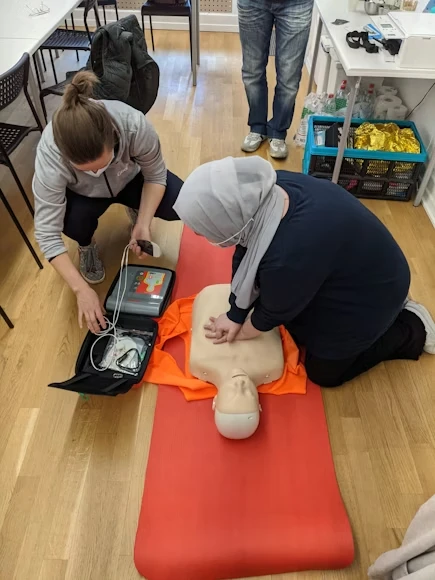
Muscle memory is the result of repeated practice that allows the body to perform tasks automatically, without conscious effort. In emergencies, this automatic response is critical. CPR requires correct hand placement, consistent compression depth, proper pacing, and minimal interruptions. AED use demands quick pad placement, clear communication, and confidence operating the device.
Without regular practice, even trained individuals may hesitate, forget steps, or lose confidence. Drills reinforce physical actions and procedural flow, making lifesaving techniques feel familiar rather than overwhelming.
Reducing Panic and Improving Confidence
One of the most common barriers to effective emergency response is fear: fear of doing something wrong or making the situation worse. Regular CPR & AED training helps normalize emergency actions, reducing panic and uncertainty. When individuals have practiced assessing a scene, calling for help, starting compressions, and using an AED multiple times, those steps become routine.
Confidence built through repetition allows responders to act decisively, communicate clearly with others, and maintain focus throughout the emergency. This confidence can significantly improve outcomes while waiting for professional medical help to arrive.
Why Drills Matter in Workplaces and Shared Spaces
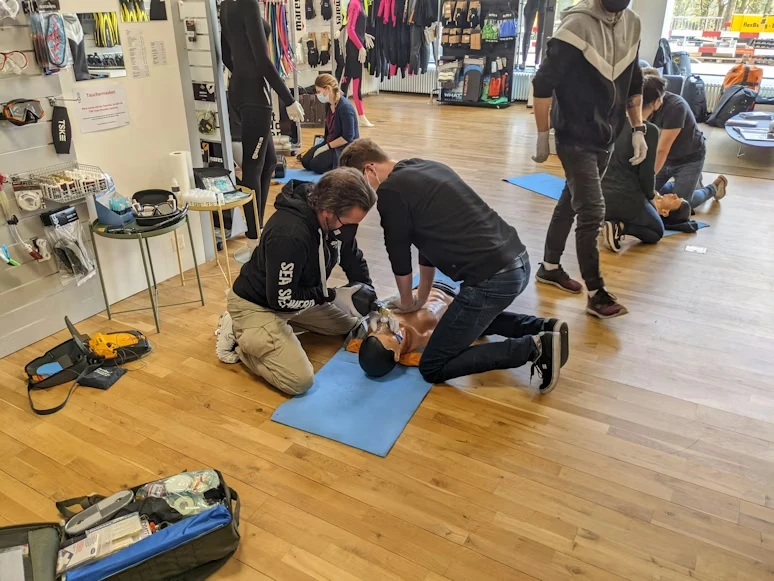
In workplaces, schools, childcare centers, gyms, and community organizations, emergencies rarely happen in isolation. Effective response often depends on teamwork. Regular drills help groups practice assigning roles, coordinating actions, and supporting one another during high-stress situations.
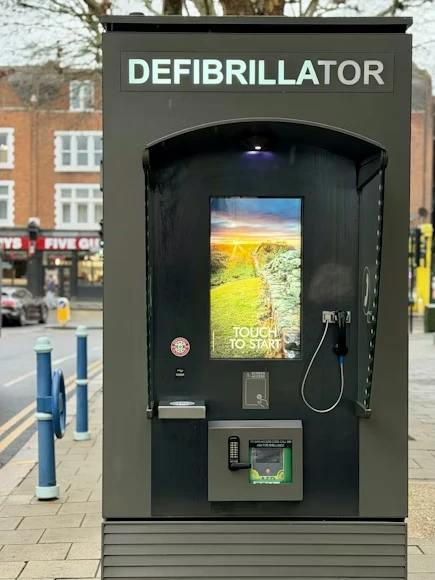
These drills also highlight practical considerations such as AED accessibility, response timing, and communication gaps. By practicing together, teams improve coordination and reduce confusion during real emergencies. For organizations responsible for public safety, drills are not just best practice; they are a vital part of preparedness.
The Importance of Practice at Home
Emergencies are just as likely to occur at home as they are in public spaces. Families with children, elderly relatives, or individuals with chronic health conditions can benefit from periodic CPR and first aid refreshers. Even informal practice sessions, such as reviewing compression techniques or discussing emergency steps, help reinforce readiness.
Regular practice ensures that family members are not learning under pressure for the first time. Instead, they are responding with familiarity and confidence when it matters most.
Skill Retention and Updated Guidelines
Research consistently shows that CPR skills decline within months without reinforcement. Compression depth, pacing, and sequence accuracy can degrade over time. Regular drills and refreshers help correct technique, reinforce current guidelines, and ensure responders remain aligned with American Heart Association recommendations.
For professionals and organizations with compliance requirements, ongoing practice supports both regulatory standards and real-world performance, ensuring that certification translates into effective action.
Strengthening Readiness Through Ongoing Training
The CPR & BLS Training Institute emphasizes that lifesaving skills are perishable and require consistent reinforcement. Through CPR & AED training, Basic Life Support (BLS) certification online, and hands-on refresher courses, the institute supports individuals and organizations committed to preparedness. If you’re seeking to build lasting confidence, sharpen response skills, and stay aligned with current standards, register for classes and make regular practice part of your emergency readiness plan.