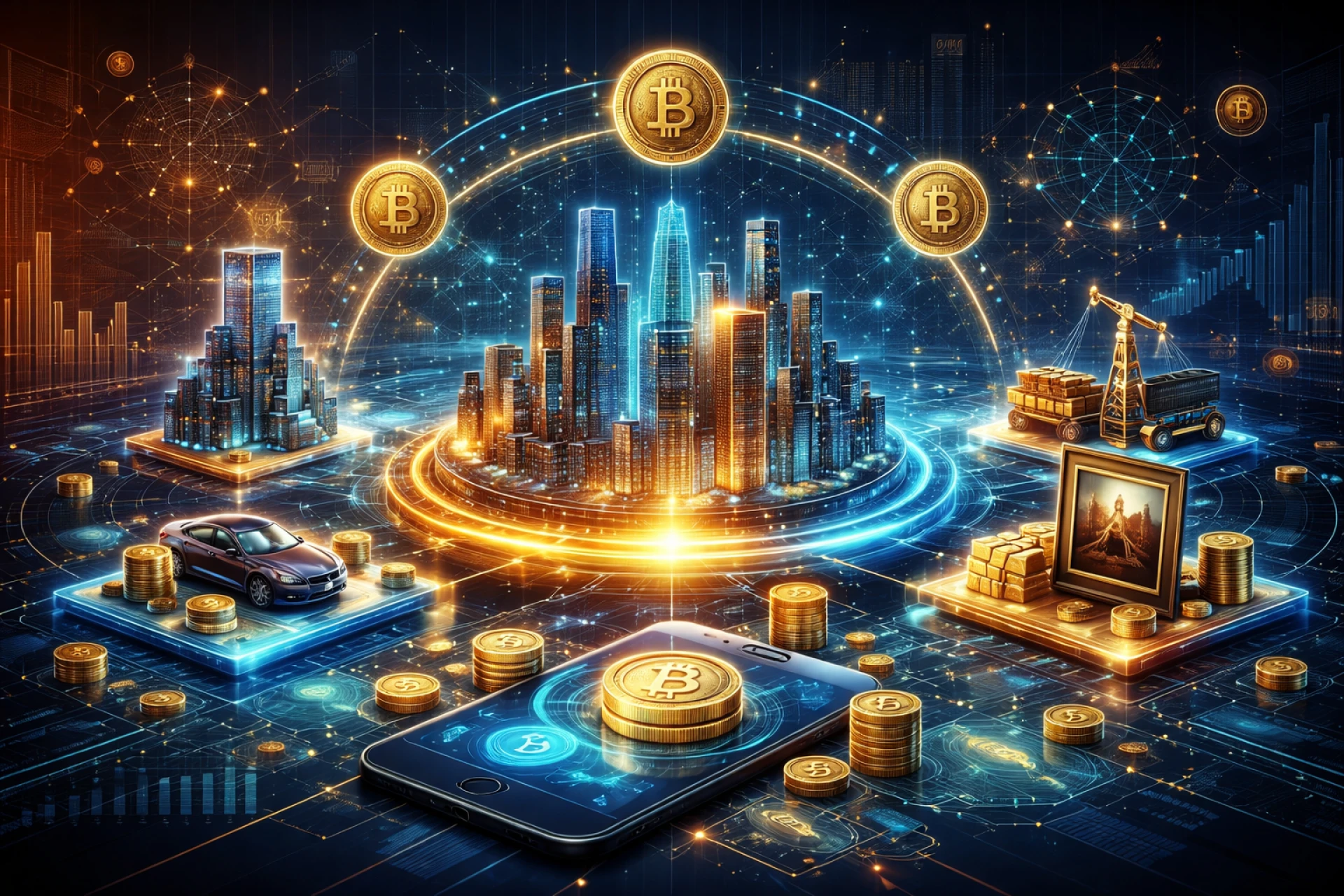
Real-world asset (RWA) tokenization is rapidly transforming capital markets by converting physical assets such as real estate, commodities, infrastructure, and even fine art into digital tokens on a blockchain. These tokens represent fractional ownership, allowing investors to access and trade portions of high-value assets with greater efficiency, transparency, and liquidity. By bridging traditional finance with decentralized technology, tokenization is reshaping the way capital is raised, managed, and distributed across global markets.
Tokenization is not simply about digitizing assets; it is about redefining ownership and enabling a new class of financial instruments. Through tokenization, assets that were previously illiquid and accessible only to large institutions become tradable, divisible, and programmable. This opens the door to broader investor participation, improved price discovery, and more efficient capital allocation. As the technology matures, RWAs are emerging as a major driver of financial inclusion, enabling individuals and smaller institutions to participate in markets that were previously beyond their reach.
What Is Real-World Asset Tokenization?
Real-world asset tokenization refers to the process of converting ownership rights of physical assets into digital tokens that can be stored, transferred, and traded on a blockchain. Each token represents a share or unit of ownership, enabling fractionalization. This process is made possible through smart contracts, which automate the issuance, transfer, and governance of tokens while ensuring transparency and security.
The real world asset tokenization process typically involves legal structuring, asset valuation, compliance, and the creation of a digital representation of the asset. Once tokenized, assets can be traded on digital exchanges or within private networks, enabling faster settlement and improved liquidity. In many cases, tokenized assets can also be programmed to pay dividends, distribute profits, or enforce specific ownership rules automatically.
Why Tokenization Is a Game-Changer for Capital Markets
Tokenization is reshaping capital markets by introducing efficiencies that are difficult to achieve in traditional systems. One of the most significant benefits is the ability to fractionalize high-value assets. Real estate properties, commercial buildings, infrastructure projects, and even art can be divided into thousands or millions of tokens, allowing multiple investors to own a fraction of the asset. This reduces entry barriers and democratizes investment opportunities.
Another key advantage is improved liquidity. Traditional asset markets often suffer from illiquidity due to long settlement times, high transaction costs, and limited market access. Tokenized assets can be traded 24/7 on digital platforms, enabling faster price discovery and more efficient capital flows. This can significantly reduce the time and cost involved in buying or selling assets, making markets more responsive and dynamic.
Enhanced Transparency and Security
Blockchain technology provides a transparent and immutable ledger that records every transaction and ownership change. This transparency reduces fraud and increases trust among investors, issuers, and regulators. Tokenized assets can be tracked in real time, ensuring accurate ownership records and preventing disputes related to title or transfer history.
Security is also enhanced through cryptographic mechanisms and decentralized networks. Smart contracts enforce rules and automate processes, reducing the risk of human error or manipulation. Additionally, tokenization platforms can integrate compliance checks, KYC/AML procedures, and investor accreditation processes directly into the token issuance and transfer process, making regulatory adherence more streamlined.
Lower Costs and Faster Settlement
Traditional capital markets rely on intermediaries such as brokers, custodians, clearinghouses, and transfer agents. Each intermediary adds cost and time to the transaction process. Tokenization can significantly reduce the need for intermediaries by automating processes through smart contracts and blockchain-based settlement systems.
Settlement times can be reduced from days or weeks to minutes or even seconds. This reduces counterparty risk and frees up capital that would otherwise be locked during settlement periods. Lower transaction costs and faster settlement make asset trading more efficient and accessible, especially for smaller investors.
Financial Inclusion Through Fractional Ownership
One of the most transformative aspects of tokenization is its ability to enhance financial inclusion. By enabling fractional ownership, tokenization allows retail investors to access high-value assets that were previously out of reach. For example, a high-end commercial property worth millions can be tokenized into thousands of tokens, allowing investors to buy a small portion with a lower investment amount.
This democratization of investment opportunities can bridge the gap between wealthy institutions and retail investors. It allows individuals to diversify their portfolios with real estate, infrastructure, and other asset classes without requiring significant capital. As a result, tokenization has the potential to expand wealth-building opportunities and reduce the wealth gap.
Tokenization and the Future of Debt Markets
Tokenization is not limited to equity or ownership tokens; it is also transforming debt markets. Tokenized debt instruments such as bonds, loans, and receivables can be issued and traded on blockchain platforms. These tokenized debt instruments can offer greater transparency, faster settlement, and improved access to capital for issuers.
For example, a company can issue tokenized bonds directly to investors, bypassing traditional intermediaries and reducing issuance costs. Investors can trade these bonds on secondary markets with higher liquidity, enabling better price discovery. Tokenized debt can also be structured to include programmable features such as automated interest payments, early repayment options, and covenants enforced through smart contracts.
Regulatory Challenges and Compliance
Despite its potential, tokenization faces regulatory challenges. Real-world assets are subject to complex legal and regulatory frameworks, which vary across jurisdictions. Token issuers must ensure that tokenized assets comply with securities laws, property laws, and tax regulations. This requires robust legal structuring and close collaboration with regulators.
Regulators are increasingly exploring frameworks to govern tokenized assets. Some jurisdictions have introduced clear guidelines for security tokens and digital asset regulation, while others are still developing their approach. Compliance remains a critical factor for the widespread adoption of tokenization. Platforms must implement strong KYC/AML measures, investor accreditation processes, and reporting mechanisms to ensure regulatory adherence.
Tokenization and the Rise of Digital Asset Marketplaces
Tokenization is driving the growth of digital asset marketplaces, where tokenized assets can be traded seamlessly. These marketplaces provide access to a wide range of asset classes, enabling investors to diversify across real estate, commodities, infrastructure, and more. Digital marketplaces can operate 24/7, providing continuous liquidity and global access.
These platforms also enable the creation of new financial products such as tokenized index funds, fractional real estate portfolios, and diversified asset baskets. Investors can build customized portfolios that include tokenized assets, improving diversification and risk management. As digital marketplaces mature, they are likely to integrate with traditional exchanges and financial institutions, creating a hybrid ecosystem.
Real-World Use Cases of Tokenization
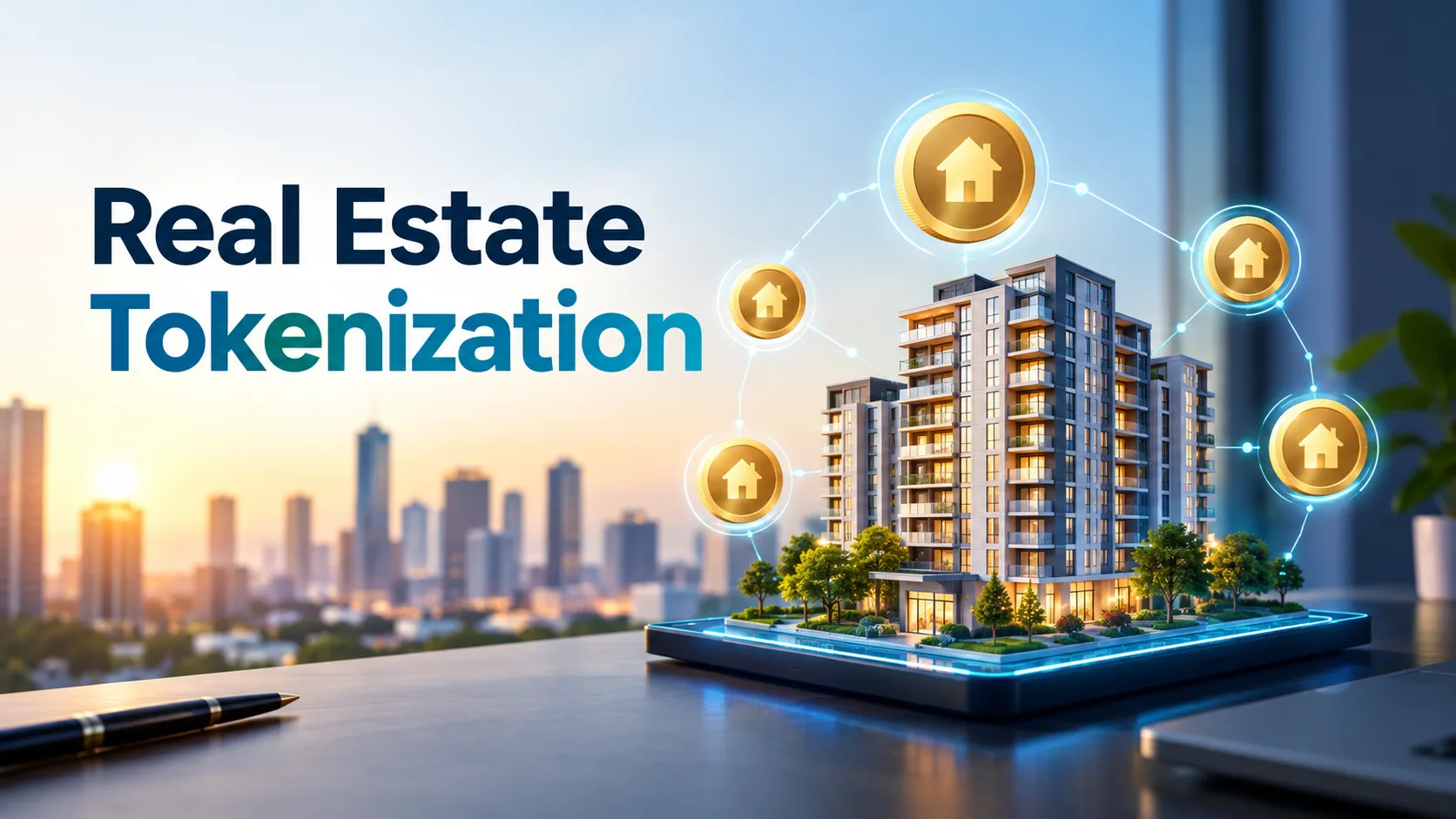
Real estate tokenization is one of the most prominent use cases. Commercial and residential properties can be tokenized to enable fractional ownership, rental income distribution, and easier transfer of ownership. This can help property owners raise capital more efficiently and provide investors with access to real estate markets.
Infrastructure projects such as renewable energy, transportation, and utilities can also benefit from tokenization. Tokenized infrastructure assets can attract global investors and enable better financing for large-scale projects. Commodity tokenization, including gold, oil, and agricultural products, can improve transparency and reduce settlement risks in commodity trading.
Art and collectibles are another growing use case. Tokenizing art pieces allows fractional ownership and opens the art market to a broader audience. This can increase liquidity in a traditionally illiquid market and provide artists with new ways to monetize their work.
The Impact on Capital Markets
Tokenization is changing capital markets by improving efficiency, liquidity, and access. By enabling fractional ownership, tokenization broadens the investor base and democratizes access to high-value assets. This can lead to more efficient capital allocation and improved market participation.
Tokenization also enhances market transparency and reduces settlement times. These improvements can lower transaction costs and reduce systemic risks. As tokenized assets become more mainstream, traditional financial institutions are likely to integrate blockchain technology into their operations, leading to a more interconnected and efficient financial system.
The Future of Financial Access
Tokenization is poised to expand financial access globally. By enabling fractional ownership and reducing barriers to entry, tokenization can empower individuals in emerging markets to participate in global investment opportunities. This can help unlock capital for development projects and support economic growth.
In addition, tokenization can support new forms of financing such as peer-to-peer lending, community-owned assets, and decentralized finance (DeFi) applications. These models can provide alternative financing options for underserved communities and small businesses. As tokenization evolves, it is likely to drive innovation in financial products and services, leading to a more inclusive financial ecosystem.
Conclusion
Real-world asset tokenization is reshaping capital markets by enabling fractional ownership, improving liquidity, and enhancing transparency. By bridging traditional assets with blockchain technology, tokenization is making high-value investments more accessible and efficient. Despite regulatory challenges, the momentum behind tokenization continues to grow, driven by the potential to democratize finance and expand access to global markets. As digital asset marketplaces and regulatory frameworks mature, tokenization is set to become a foundational component of the future financial system.