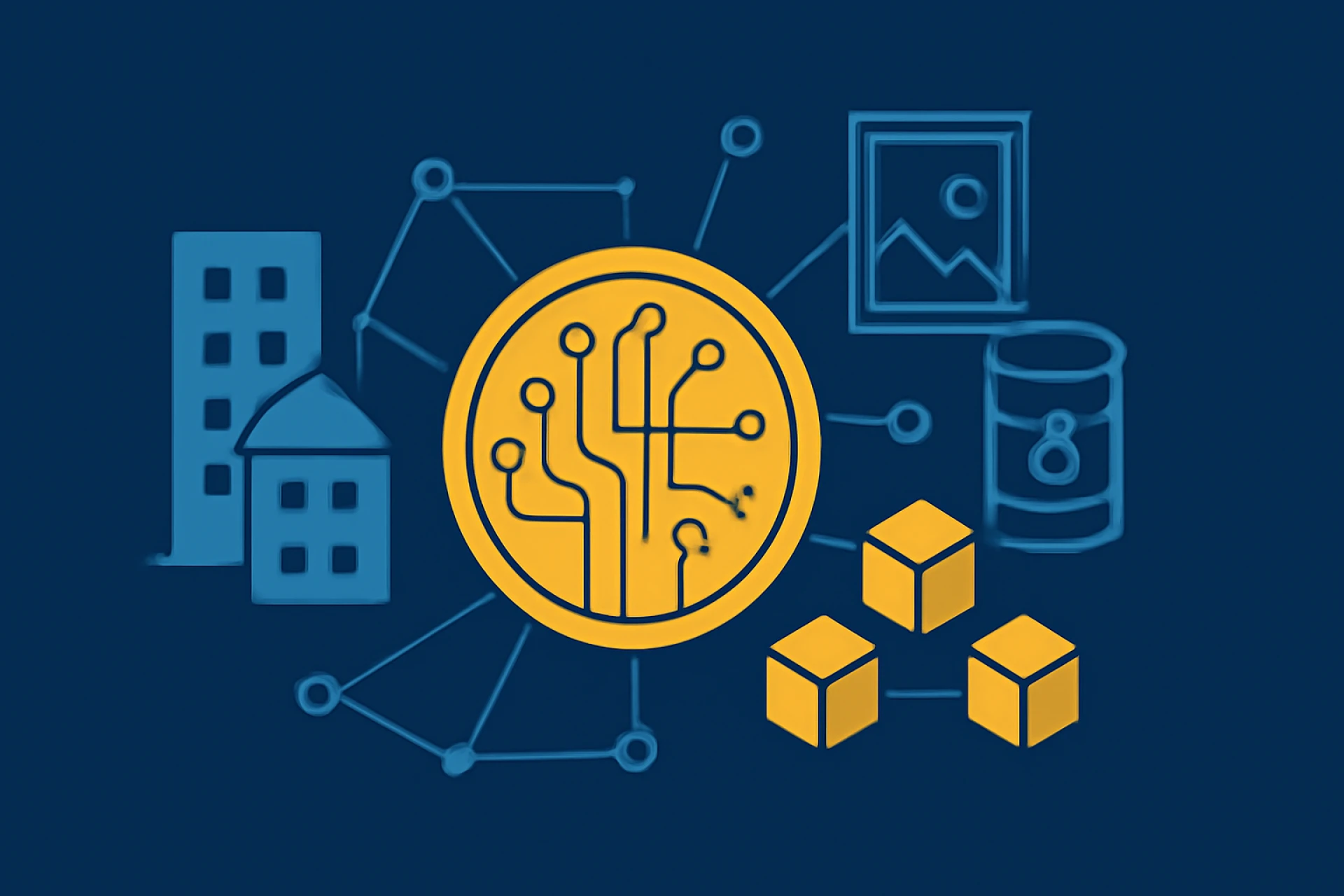
The evolution of financial markets is increasingly influenced by blockchain technology, offering innovative ways to digitize traditional assets. One of the most transformative applications of blockchain is real-world asset (RWA) tokenization, a process that converts tangible assets such as real estate, commodities, or fine art into digital tokens that can be traded on blockchain platforms. Unlike conventional markets, where opacity, intermediaries, and inefficiencies often dominate, tokenization brings unprecedented transparency, trust, and accessibility to market participants. This blog explores how real-world asset tokenization can fundamentally reshape traditional markets, fostering transparency and trust while addressing long-standing structural inefficiencies.
Understanding Real-World Asset Tokenization
Real-world asset tokenization involves representing ownership of a physical asset digitally through blockchain tokens. These tokens are backed by the underlying asset and can be traded, transferred, or fractionalized without the limitations of traditional asset trading. For instance, a commercial property valued at $10 million can be split into 10,000 tokens, each representing $1,000 of ownership. Investors can purchase, sell, or hold these tokens, gaining exposure to real estate markets without the complexities of direct property management. Tokenization not only lowers the entry barrier for investors but also increases market accessibility by allowing smaller participants to engage in asset classes previously limited to high-net-worth individuals or institutions.
The core principles behind tokenization include immutability, traceability, and decentralization. By leveraging blockchain, every token transaction is recorded on a distributed ledger that is publicly verifiable, resistant to tampering, and accessible in real-time. This structure significantly reduces information asymmetry between buyers, sellers, and intermediaries, creating a market environment grounded in transparency and reliability. Additionally, tokenization introduces programmable logic through smart contracts, enabling automated operations such as revenue distribution, voting, or compliance checks without human intervention.
How Tokenization Improves Transparency
Transparency is one of the most critical challenges in traditional financial markets. Conventional asset markets rely heavily on intermediaries such as brokers, banks, and custodians, which can create information gaps. Investors often have limited visibility into asset ownership, transaction history, or valuation methods. Tokenization addresses these issues in multiple ways:
Real-Time Verification of Ownership
Blockchain technology enables real-time tracking of asset ownership. Every transaction, from initial issuance to secondary market trading, is recorded on a public or permissioned ledger. This means that investors can verify ownership claims instantly without relying on third-party audits. The decentralized nature of blockchain ensures that no single entity can manipulate ownership records, reducing the risk of fraud and disputes. This transparency also extends to regulators and auditors who can access ownership records instantly for compliance purposes.
Transparent Asset Valuation
Tokenized assets often come with integrated smart contracts that automatically update valuations based on predefined criteria, market indices, or external data feeds (oracles). This allows investors to access accurate and timely information about asset performance. Unlike conventional markets, where valuations can be opaque and subject to human error or manipulation, tokenization ensures objective and traceable asset pricing. For example, tokenized real estate platforms can provide investors with automated updates reflecting rental income, maintenance costs, or market valuation shifts, ensuring all stakeholders have access to the same information simultaneously.
Auditability and Immutable Records
Every tokenized asset transaction is permanently recorded on the blockchain, creating an auditable history that regulators, investors, and other stakeholders can access. This immutability reduces the likelihood of fraudulent reporting or hidden liabilities, increasing overall market integrity. Auditability also enables smoother compliance with regulatory standards, as every transaction and ownership change is verifiable. This level of accountability strengthens market trust, as investors are assured that records cannot be retroactively altered or falsified.
Building Trust Through Decentralization
Trust is a cornerstone of functioning markets. Traditional financial systems depend heavily on institutional intermediaries to establish credibility, often requiring investors to place faith in third-party processes and reports. Tokenization, however, reduces reliance on intermediaries by embedding trust directly into the technology.
Smart Contracts for Enforcing Agreements
Smart contracts are self-executing agreements coded on blockchain networks. In the context of RWA tokenization, smart contracts can automate processes such as dividend distribution, rental income sharing, or interest payments. By executing these transactions automatically when predefined conditions are met, smart contracts reduce human intervention and minimize errors. This technological enforcement fosters confidence among investors, as outcomes are predictable and verifiable. For instance, investors holding tokens in a tokenized commercial property can receive rental income automatically, eliminating dependency on property managers for timely distribution.
Fractional Ownership to Reduce Risk
Tokenization enables fractional ownership of high-value assets, lowering entry barriers for smaller investors. By spreading ownership across a larger base, the market reduces dependency on a single counterparty, thereby mitigating default risks. Fractional ownership also aligns incentives, as token holders collectively benefit from the performance of the underlying asset. This collective alignment encourages more responsible management of the asset, reinforcing trust. In addition, fractional ownership allows smaller investors to diversify across multiple assets, reducing concentration risk and promoting more resilient portfolios.
Transparent Governance Structures
Tokenization platforms often incorporate decentralized governance models, allowing token holders to vote on critical decisions related to asset management. For example, decisions about property upgrades, sale, or lease terms can be made collectively through blockchain-enabled voting mechanisms. This participatory governance structure promotes transparency in decision-making and empowers investors, strengthening trust in the system. Such governance structures also make it easier to track accountability, as every decision and vote is recorded immutably on the blockchain.
Enhancing Liquidity and Market Efficiency
One of the primary reasons traditional markets can be opaque is low liquidity, which makes it difficult for participants to buy or sell assets quickly. Tokenization addresses this challenge by creating digital, tradable representations of physical assets that can circulate on secondary markets.
24/7 Market Access
Unlike traditional markets constrained by operating hours and geographical boundaries, tokenized assets can be traded around the clock on blockchain-based exchanges. This continuous market access increases transparency, as pricing and trading data are updated in real-time, reflecting the true market value of assets at any given moment. Investors can monitor asset performance continuously, enabling more informed trading and investment decisions.
Fractional Trading Reduces Barriers
By dividing assets into smaller tokens, more investors can participate in the market, increasing demand and liquidity. Higher liquidity translates into more transparent pricing, as larger volumes of trades provide a clearer signal of the asset’s market value. This contrasts with traditional markets, where low liquidity can obscure accurate valuations. Additionally, the ability to trade fractions of assets democratizes access, allowing a broader investor base to participate in markets traditionally limited to institutional or high-net-worth individuals.
Cross-Border Access and Integration
Tokenized assets are inherently global. Investors from different regions can participate in asset markets without the friction of complex cross-border settlement processes. The blockchain ledger ensures transparency in all cross-border transactions, reducing the need for intermediaries and minimizing the risk of miscommunication or fraud in international dealings. This global accessibility can also lead to more competitive pricing and deeper liquidity pools, further enhancing transparency and trust.
Regulatory Implications and Compliance
While tokenization enhances transparency and trust, regulatory frameworks play a crucial role in ensuring that these benefits are realized safely. Regulators are increasingly exploring tokenization as a way to improve market oversight and investor protection.
Compliance Through On-Chain Reporting
Tokenized assets can incorporate regulatory compliance directly into the blockchain through automated reporting and verification mechanisms. This allows regulators to monitor transactions and ownership changes in real-time, ensuring that markets operate according to legal standards. This approach enhances transparency for both regulators and market participants. Automated compliance also reduces the cost and complexity of reporting, encouraging wider adoption among issuers and investors.
Reduced Fraud and Misrepresentation
Immutable blockchain records make it significantly more difficult for malicious actors to manipulate asset ownership or misrepresent valuations. Regulators can leverage these records to detect suspicious activities quickly, reducing the prevalence of fraud in traditional markets. Increased regulatory confidence further boosts trust among investors, encouraging greater market participation.
Standardization of Practices
Tokenization encourages the adoption of standardized practices for asset representation, governance, and reporting. Standardization improves comparability across markets and reduces informational asymmetries, allowing investors to make informed decisions based on transparent, consistent data. Over time, widespread adoption of standardized tokenization protocols could lead to a more unified global market for traditionally illiquid assets.
Case Studies Demonstrating Transparency Benefits
Several early adopters of real-world asset tokenization have demonstrated its potential to enhance transparency and trust:
- Real Estate Tokenization Platforms: Companies tokenizing commercial and residential properties provide investors with real-time dashboards showing ownership stakes, rental income distribution, and maintenance costs. These platforms eliminate opaque management practices and offer full traceability for each asset token.
- Commodities and Gold Tokens: Tokenized commodities platforms allow investors to verify holdings with third-party audits and integrate blockchain-based proof of reserves. This reduces the risk of misrepresentation and increases market confidence in the digital representation of physical commodities.
- Art and Collectibles: Tokenization of high-value art pieces ensures provenance and ownership history are transparent, reducing disputes over authenticity and ownership transfer. Collectors and investors gain confidence knowing every transaction is permanently recorded and publicly accessible.
- Industrial and Infrastructure Assets: Tokenizing infrastructure projects such as warehouses, logistics facilities, and renewable energy plants allows investors to access detailed operational data. Transparency in project performance, maintenance schedules, and revenue streams improves trust, particularly for institutional investors seeking long-term stable returns.
Addressing Challenges and Limitations
While tokenization offers significant transparency and trust advantages, it is not without challenges:
- Regulatory Uncertainty: Global regulatory frameworks for tokenized assets are still evolving, which can create uncertainty for both issuers and investors. Differing regulations across jurisdictions may limit the full realization of tokenization benefits. Coordinated regulatory approaches will be essential for scaling tokenized markets globally.
- Technology Adoption: Traditional market participants may be slow to adopt blockchain technology due to lack of understanding, resistance to change, or legacy infrastructure. Overcoming these barriers requires educational initiatives and demonstration of clear value propositions for both investors and asset owners.
- Valuation Risks: While blockchain ensures transparent records, the underlying valuation of assets can still be subject to market fluctuations, appraisal errors, or external economic factors. Transparent reporting does not eliminate the inherent risk of asset performance.
- Security Concerns: Although blockchain is inherently secure, the platforms managing tokenized assets must ensure robust cybersecurity measures to prevent hacking or unauthorized access. Smart contract vulnerabilities or poorly coded platforms can undermine trust if not addressed proactively.
The Future of Tokenized Markets
As technology continues to advance, real-world asset tokenization is poised to become a standard feature of modern financial markets. The combination of transparency, trust, fractional ownership, and liquidity can transform traditional markets by reducing inefficiencies and enabling broader participation. Over time, tokenized assets could form the foundation for more integrated global capital markets, where asset information, trading, and governance are fully transparent and accessible.
Institutional adoption will likely accelerate as regulators provide clearer guidance and frameworks for compliance. Simultaneously, retail investors will benefit from increased access to previously illiquid or high-entry-barrier assets. Ultimately, the success of tokenization will depend on the collaborative efforts of technology providers, asset managers, regulators, and investors to build reliable, transparent, and trusted systems.
Conclusion
Real-world asset tokenization represents a significant shift in the way traditional markets operate. By digitizing tangible assets and recording ownership on blockchain networks, tokenization introduces unprecedented levels of transparency, traceability, and trust. Investors benefit from real-time ownership verification, immutable transaction records, fractional ownership opportunities, and participatory governance models. Regulators can leverage blockchain data for more effective oversight, reducing fraud and enhancing market integrity.
While challenges remain, including regulatory uncertainty and technology adoption hurdles, the potential of tokenization to transform traditional markets is undeniable. As industries increasingly embrace blockchain-driven asset digitization, tokenization is poised to create a financial ecosystem that is not only more transparent and efficient but also fundamentally more trustworthy for all participants. The growing integration of tokenized markets into mainstream finance signals a future where trust is coded into the system itself, rather than being solely dependent on intermediaries.