The global property market is undergoing one of the most profound transformations in its history. Traditional real estate systems have long relied on slow transactions, manual verification, high entry barriers, and limited access for small investors. But the rise of blockchain technology has triggered a new paradigm shift that is changing how real estate is owned, traded, financed, and managed worldwide. At the center of this transformation is real estate tokenization platform development, a powerful innovation that digitizes physical real estate into blockchain based tokens that represent ownership.
Real estate tokenization is no longer a futuristic concept. It is rapidly becoming a standard investment model for developers, property owners, investors, and global real estate enterprises. By converting real estate assets into digital tokens, it enables fractional ownership, instant trading, enhanced liquidity, and borderless participation from investors across continents. As more governments, institutions, and companies recognize the potential of blockchain, real estate tokenization is set to reshape the entire structure of property markets globally.
This detailed blog explores how real estate tokenization platform development is transforming real estate economics, investment strategies, market participation, regulatory systems, and property liquidity across international markets. It also examines the long term implications for investors, developers, enterprises, and financial institutions.
1. The Evolution of Global Real Estate and the Need for Tokenization
Real estate has traditionally been considered one of the safest and most valuable asset classes. Whether residential, commercial, or industrial, real estate has always been a key driver of wealth creation. However, the property market has also been slow to evolve. High costs, limited transparency, delayed transactions, and restricted access have prevented many from participating in global real estate opportunities.
Over time, globalization and digitalization have pushed the real estate industry to modernize. Investors demand more liquidity, faster transactions, and a simplified investment process. Developers look for innovative ways to raise capital without relying solely on banks or lengthy financing procedures. Property owners want to unlock value without selling complete ownership.
Against this backdrop, real estate tokenization emerged as a powerful solution. Tokenization platforms built using blockchain technology digitize property ownership and divide it into smaller tokens. These tokens can then be bought, sold, and traded like digital assets, creating a more dynamic and accessible real estate ecosystem.
Real Estate Tokenization Platform offers a seamless way to democratize global property markets, attract international investors, reduce entry barriers, and reshape the traditional real estate industry.
2. What Is Real Estate Tokenization and How Does It Work
Real estate tokenization refers to the process of converting real property into blockchain based digital tokens. These tokens represent a share of ownership in the asset. The tokens can be issued through a real estate tokenization platform and traded on secondary markets.
A real estate tokenization platform typically includes the following core features.
● Smart contract based asset representation
● Secure investor onboarding with KYC and AML
● Fractional ownership distribution
● Automated compliance management
● Secondary market trading
● Real time asset valuation
● Ownership record immutability
● Global investor access
The process begins with asset selection, followed by legal structuring, valuation, token creation, compliance verification, and offering distribution. Investors can buy tokens using fiat or cryptocurrency, providing the flexibility to participate in global real estate deals.
By integrating blockchain, the platform ensures transparency, traceability, and tamper proof ownership records. This is one of the primary reasons why governments and financial institutions are increasingly supporting tokenization frameworks.
3. Fractional Ownership Is Opening Property Markets to Global Investors
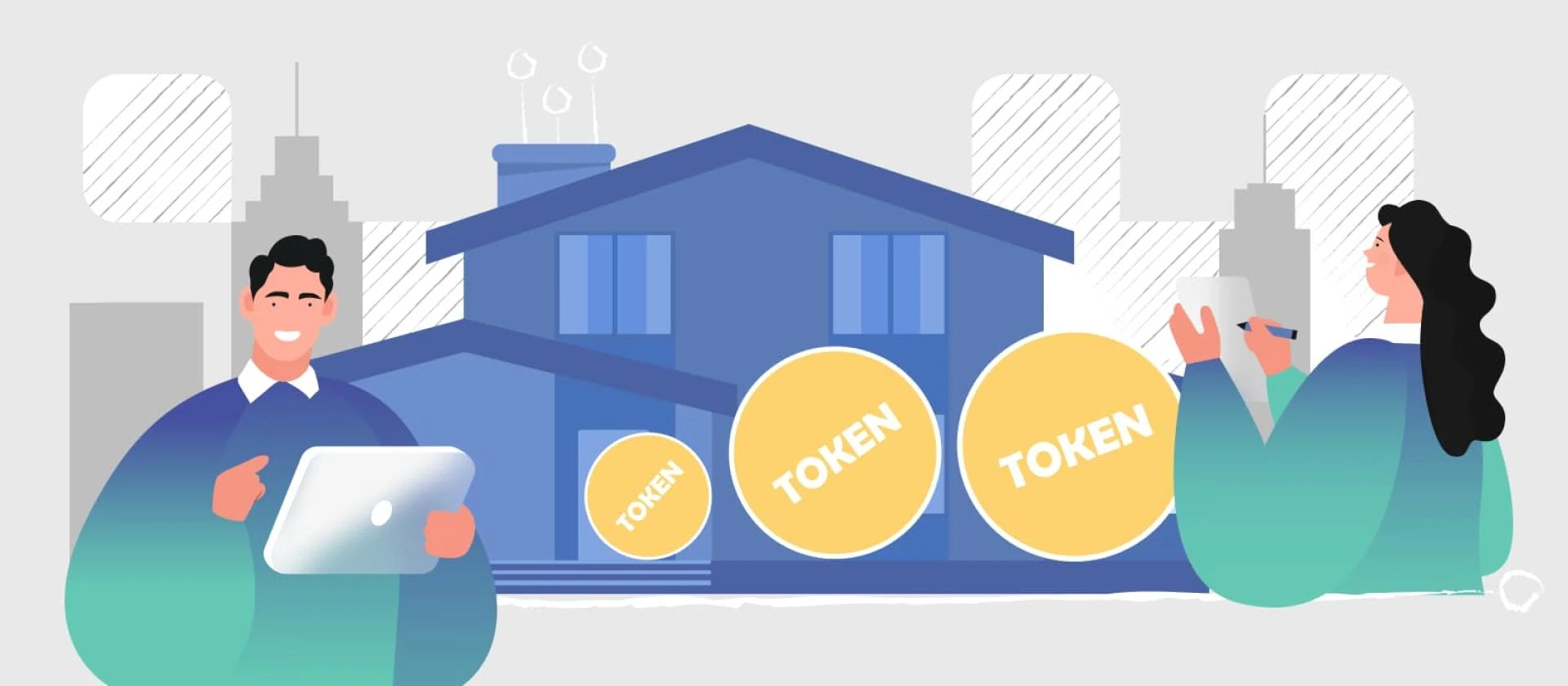
One of the most revolutionary aspects of real estate tokenization is fractional ownership. In traditional markets, buying real estate requires substantial capital. This limits property ownership to large investors or individuals with significant savings. But with real estate tokenization platform development, the same property can be divided into thousands of tokens, each representing a small share of the asset.
This fractional ownership model is reshaping global participation by allowing:
● Small investors to own real estate stakes
● International investors to diversify portfolios
● Families to invest without large financial risk
● Millennials and Gen Z to enter the market
● Businesses to raise capital through tokenized assets
Fractional ownership also reduces the financial burden on investors while providing stable, long term returns. For developers and property owners, it opens new revenue streams by offering tokenized shares to multiple global buyers rather than depending on local investors.
This shift is creating an inclusive real estate economy where markets are no longer restricted by geography or wealth level.
4. Increased Liquidity Is Transforming Real Estate From a Static Asset to a Dynamic One
Real estate has always been known as an illiquid asset class. Selling a property often takes months due to multiple layers of verification, documentation, negotiation, and legal processes. However, tokenization changes this entirely.
Real estate tokenization platforms enable instant trading of property tokens on secondary markets. Instead of selling the entire asset, investors can simply sell their tokens at any time. This transforms real estate into a more liquid and flexible investment.
The key liquidity benefits of tokenization include:
● Faster exits for investors
● Real time market driven pricing
● More predictable cash flows
● Reduction of long holding periods
● Immediate transfer of ownership rights
With high liquidity, real estate becomes more attractive to global investors who prefer liquid assets. Tokenized real estate can rival traditional equity markets in terms of trading flexibility. This shift is one of the most significant reasons behind the rapid adoption of real estate tokenization platform development.
5. Tokenization Is Making International Real Estate Investing Borderless
In traditional real estate markets, international investors face numerous challenges such as legal restrictions, high taxation, currency conversion, and complex documentation. These obstacles often discourage global participation.
Real estate tokenization breaks these barriers. Investors from Asia can easily purchase tokens for a property in Europe or North America. Investors from India can participate in commercial real estate in the Middle East. Tokenization platforms offer borderless participation where geography does not limit investment opportunities.
The borderless nature of tokenization brings several advantages:
● Global diversification
● Access to properties in high growth markets
● International portfolio balancing
● Reduced dependency on local real estate cycles
● Easier cross border capital flow
This creates a more integrated and globally connected property market. Countries that want to attract more foreign capital are adopting tokenization as a strategic tool to boost their real estate industry.
6. Enhanced Transparency and Security Are Boosting Investor Trust
One of the biggest concerns in traditional real estate transactions is the lack of transparency. Fraud, fake ownership records, and hidden liabilities have been long term industry challenges. Real estate tokenization platform development solves these issues by leveraging blockchain technology.
Blockchain ensures that all transactions and ownership records are transparent and unchangeable. Smart contracts execute transactions automatically according to predefined rules. This eliminates manual errors, fraud, and manipulation.
The transparency benefits include:
● Clear ownership history
● Immutable property records
● Smart contracts for automatic settlements
● Verified documentation stored securely
● Real time tracking of investment activity
This level of transparency significantly boosts investor confidence. When investors have full visibility into how tokens are issued, managed, and traded, they are more likely to participate in global markets.
7. Lower Costs and More Efficient Transactions for Buyers and Sellers
Real estate transactions have historically involved intermediaries such as brokers, banks, lawyers, and registrars. Each adds time and cost to the investment process. Tokenization reduces or eliminates the need for many of these intermediaries.
With a real estate tokenization platform:
● Smart contracts automate processes
● Documentation is verified digitally
● KYC and AML processes are streamlined
● Middlemen are minimized
● Transaction fees are reduced
● Time delays are eliminated
The cost reduction is significant for both small investors and international buyers. For developers and property owners, tokenization reduces their dependence on expensive financing methods.
This efficiency is a major catalyst behind the increasing demand for tokenization worldwide.
8. Tokenization Platforms Are Creating New Revenue Streams for Developers
Property developers often struggle with funding large projects due to limited financing options. Traditional loans come with high interest rates and lengthy approval processes. Tokenization allows developers to raise capital by issuing tokens in exchange for investment.
This method offers several advantages:
● Faster fundraising
● Access to global investors
● Reduced dependence on banks
● Transparent distribution of ownership shares
● Ability to tokenize under construction properties
Developers can also retain a portion of the tokens to benefit from future appreciation. This creates a long term revenue cycle.
The shift from traditional financing to tokenized fundraising is reshaping how construction companies launch, fund, and complete real estate projects worldwide.
9. Regulatory Evolution Is Supporting Tokenized Real Estate Expansion
As real estate tokenization continues to grow, governments and regulators are developing new legal frameworks to support compliant tokenized transactions. Regulatory clarity is crucial for institutional adoption.
Many countries are creating clear guidelines for:
● Security token offerings
● Tokenized asset classification
● Investor protection norms
● KYC and AML compliance
● Cross border digital asset transactions
The development of such regulations ensures that tokenized real estate can be legally traded and recognized. Institutional investors, banks, and financial organizations are more likely to adopt tokenization when regulatory systems are clear and reliable.
As regulations mature worldwide, tokenized real estate will become a standard investment product in global markets.
10. Tokenization Platforms Are Strengthening Secondary Markets
Secondary markets play a vital role in increasing liquidity. Traditional real estate secondary markets have always been limited, slow, and heavily regulated. Tokenization platforms introduce digital secondary markets where tokens can be traded instantly.
These secondary markets allow:
● Real time buying and selling
● Transparent order books
● Market driven price discovery
● Continuous liquidity
● Instant settlement
This creates a dynamic real estate ecosystem similar to stock markets. Investors can diversify, rebalance, and exit positions without long delays.
Strong secondary markets encourage high investor participation and push tokenized real estate into the mainstream.
11. Tokenization Is Supporting the Rise of Global Real Estate Micro Investors
The younger generation often finds real estate unaffordable due to rising property prices. With tokenization, millennials and young professionals can invest in fractional real estate without needing large capital.
This trend is reshaping global investment patterns. Instead of saving for decades to buy a single property, investors can purchase small shares in multiple properties worldwide.
Micro investors benefit from:
● Low entry costs
● Access to premium global properties
● Passive rental income
● Long term capital appreciation
● Portfolio diversification
This shift is expanding investor demographics and encouraging financial inclusion in the global property market.
12. Institutional Investors Are Racing Toward Tokenized Real Estate
Large financial institutions, hedge funds, banks, and global investment companies are recognizing the potential of real estate tokenization. Tokenized assets provide more liquidity, easier valuation, and better transparency compared to traditional real estate.
Institutions prefer tokenized real estate because it offers:
● Lower risk due to transparency
● Faster settlements
● Simplified auditing
● Digital record tracking
● Enhanced portfolio management tools
Institutional participation is accelerating the global adoption of tokenized real estate. As more institutions invest, the credibility and maturity of tokenized markets increase.
13. Tokenization Is Reshaping Property Valuation and Market Data Analytics
Traditional property valuation depends on slow manual assessments. With tokenization platforms, valuation becomes data driven. Blockchain records, smart contracts, and digital transactions generate real time insights into market demand, pricing trends, rental yield, and investor behavior.
Advanced valuation provides:
● Transparent price discovery
● Accurate real time analytics
● Predictive modeling for future prices
● Better decision making for investors and developers
Data analytics integrated within tokenization platforms is reshaping the accuracy and speed of property valuations globally.
14. The Future of Real Estate Ownership Is Digital, Liquid, and Borderless
Real estate tokenization is driving a future where property ownership will no longer be limited by geography, high costs, or bureaucratic barriers. As more companies adopt real estate tokenization platform development, global property markets will become more transparent, liquid, and efficient.
The future property market will feature:
● Digital ownership records
● 24 by 7 global trading
● Fractional investments by millions
● Token driven financing models
● Blockchain integrated property management
● AI powered asset monitoring
This digital transformation marks a new era for real estate, where tokenization becomes the foundation of global property investment.
Real estate tokenization platform development is reshaping the global property market at an unprecedented pace. By enabling fractional ownership, increasing liquidity, reducing costs, enhancing transparency, and promoting global participation, tokenization is transforming how individuals and institutions interact with real estate.
Traditional real estate barriers are disappearing as blockchain based platforms simplify ownership, streamline transactions, and democratize investment access. Tokenization empowers both small and large investors to build diversified global real estate portfolios, while developers and property owners gain new revenue models and faster financing options.
The global shift toward digital ownership is not a temporary trend but a long term structural transformation. Real estate tokenization is redefining how property markets operate and will continue to drive innovation, economic expansion, and borderless investment opportunities for decades to come.