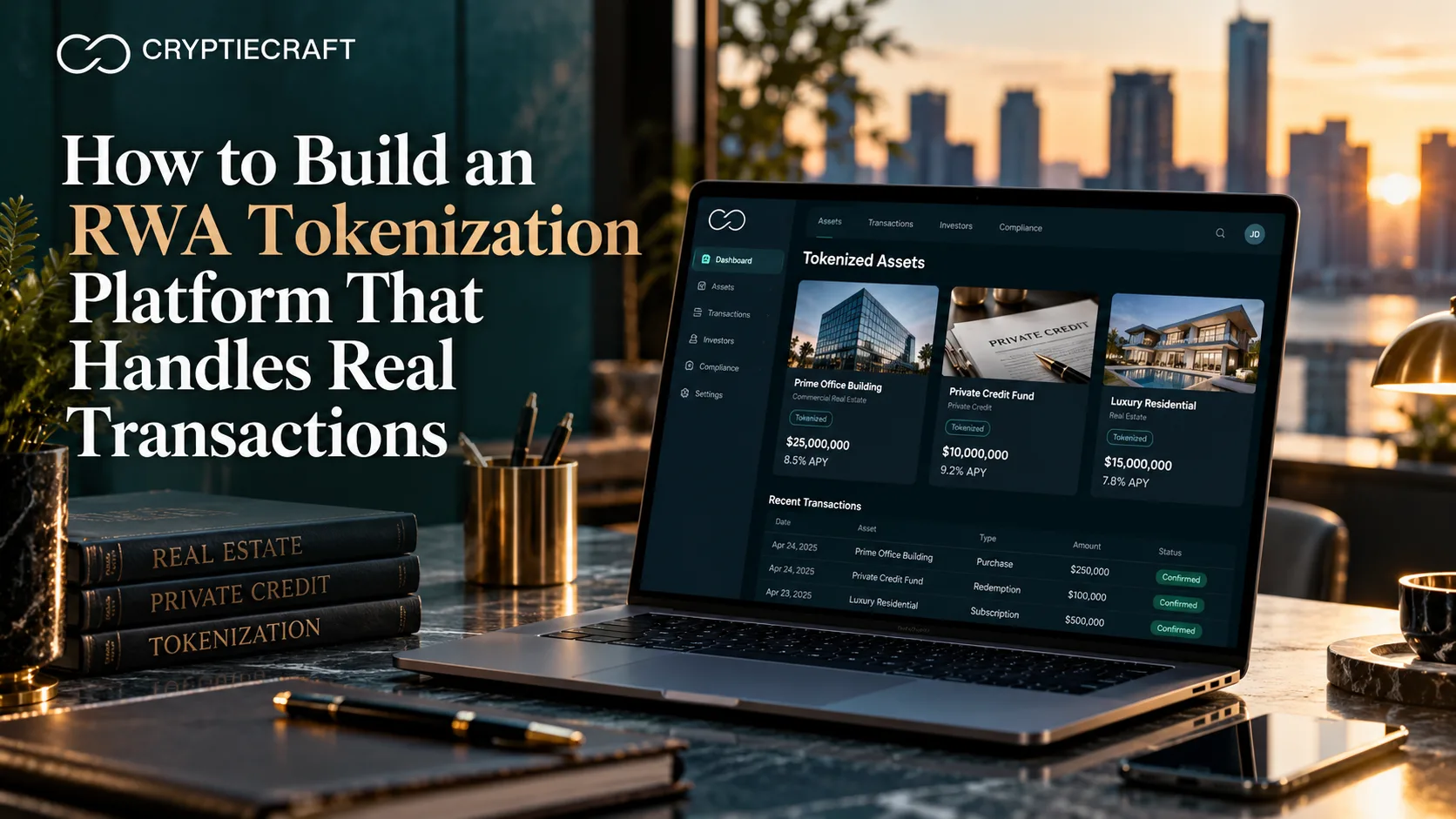
The property market, traditionally viewed as slow-moving and heavily reliant on conventional processes, is undergoing a significant digital transformation. At the forefront of this shift is real estate tokenization, a technology-driven approach that converts physical properties into digital tokens representing fractional ownership. This transformation is not merely a technological upgrade; it is reshaping investment structures, accessibility, liquidity, and operational processes in the global real estate ecosystem. By integrating blockchain, smart contracts, and digital finance mechanisms, tokenization is redefining how properties are bought, sold, managed, and invested in across borders.
Understanding Real Estate Tokenization
Real estate tokenization involves converting the value of a tangible property into digital tokens on a blockchain. Each token represents a share of ownership, income rights, or participation in capital appreciation. Unlike traditional real estate investments, tokenization lowers entry barriers, enhances liquidity, and streamlines administrative operations through automation.
Blockchain technology underpins tokenized real estate, providing transparent, immutable, and secure transaction records. Smart contracts automate processes such as rental income distribution, ownership transfers, and regulatory compliance, reducing reliance on intermediaries. This technological foundation is critical in the digital transformation of property markets, enabling faster, more transparent, and globally accessible transactions.
Key Drivers of Digital Transformation in Real Estate
Several factors are accelerating the adoption of Real Estate Tokenization and digital transformation in the property sector:
1. Demand for Accessibility and Global Investment
Traditional real estate investment is often limited by capital requirements, geographic barriers, and regulatory complexities. Tokenization enables fractional ownership, allowing investors to participate in high-value assets with smaller capital commitments. It also facilitates cross-border investment by streamlining legal, financial, and operational processes. Investors worldwide can access properties without physically visiting them, democratizing real estate investment.
2. Integration with Digital Finance Ecosystems
Tokenized real estate is increasingly integrated with decentralized finance (DeFi) platforms. Investors can leverage tokenized assets for lending, borrowing, or staking, creating hybrid financial products that combine real-world property with blockchain-enabled finance. This convergence of real estate and digital finance enhances liquidity and introduces innovative investment strategies.
3. Regulatory Clarity and Compliance Automation
Governments and regulatory bodies are evolving frameworks for digital assets, including tokenized securities. Real estate tokenization platforms embed compliance protocols such as Know Your Customer (KYC) and Anti-Money Laundering (AML) verification into their systems. This automation ensures legally compliant transactions, reduces administrative burdens, and allows investors to navigate cross-border regulations seamlessly.
4. Advancements in Blockchain Technology
The maturity of blockchain technology has reduced costs, increased scalability, and improved security for digital assets. Smart contracts automate contractual obligations, streamline revenue distribution, and enforce compliance rules, making tokenized real estate a viable alternative to traditional investment mechanisms. These advancements are central to the digital transformation of the property market.
Features of Tokenization Driving the Transformation
Real estate tokenization introduces several features that contribute to the digital transformation of the market:
1. Fractional Ownership and Inclusivity
Tokenization breaks down high-value properties into fractional shares, allowing investors with varying capital capacities to participate. This approach democratizes property investment and attracts a wider, more diverse pool of investors, from small retail participants to institutional players.
2. Enhanced Liquidity
Traditional real estate is illiquid, with sales taking months or even years to finalize. Tokenized properties can be traded on digital marketplaces, enabling rapid ownership transfers and secondary market activity. This liquidity is particularly attractive to global investors seeking flexible exit strategies.
3. Transparency and Security
Blockchain ensures that all transactions, ownership records, and property-related activities are recorded immutably. Investors gain confidence through real-time visibility of asset performance, income distributions, and transaction histories, mitigating risks such as fraud or mismanagement.
4. Automated Income Distribution
Smart contracts allow automated distribution of rental income or operational profits to token holders. This feature simplifies management for investors, ensures timely revenue sharing, and eliminates reliance on intermediaries, particularly in cross-border scenarios.
5. Cross-Border Investment Capabilities
Tokenization overcomes traditional barriers to international real estate investment, including complex legal processes, currency conversions, and property management challenges. Investors can participate in foreign markets seamlessly through blockchain-enabled platforms supporting multi-currency transactions.
Impact on Key Real Estate Sectors
Tokenization and digital transformation are influencing multiple property sectors:
1. Commercial Real Estate
Office spaces, retail centers, and industrial facilities benefit from tokenization due to their high valuations and stable income streams. Fractional ownership allows investors to participate without acquiring entire buildings, and automated revenue distribution ensures predictable returns.
2. Residential Properties
Tokenized residential units, including rental and vacation properties, offer investors exposure to rental income and property appreciation. Digital platforms manage tenant operations, rental collection, and income distribution, reducing operational complexity for international investors.
3. Industrial and Logistics Assets
E-commerce and global supply chains have increased demand for logistics hubs and warehouses. Tokenization enables global investors to participate in revenue from storage, leasing, and operational fees, providing access to previously restricted industrial real estate markets.
4. Emerging Markets
Emerging real estate markets, often hindered by regulatory opacity and high entry barriers, benefit from tokenization by attracting global capital. Blockchain-enabled transparency and compliance reduce investor risk while offering access to high-growth opportunities.
Challenges and Considerations
Despite its transformative potential, tokenization faces several challenges:
- Regulatory Complexity: Different countries have diverse regulations for foreign investment and digital securities. Platforms must ensure compliance while facilitating seamless transactions.
- Investor Awareness: Many investors are unfamiliar with blockchain and tokenization, necessitating educational initiatives and transparent communication.
- Market Volatility: Secondary market dynamics and the influence of broader crypto markets may affect token valuations.
- Operational Oversight: Maintaining properties, managing tenants, and ensuring accurate revenue distribution across borders remains critical.
Future Outlook
By leading the digital transformation of the property market, real estate tokenization is likely to redefine investment patterns, market accessibility, and financial innovation:
- Global Access: Investors worldwide will participate in markets previously limited by geographic or financial barriers.
- Financial Integration: Tokenized assets will merge with digital finance ecosystems, enabling lending, staking, and derivative opportunities.
- Liquidity and Efficiency: Secondary markets and automated smart contracts will create more liquid, responsive property markets.
- Inclusive Investment: Smaller investors will gain access alongside institutions, promoting broader participation and diversified portfolios.
- Data-Driven Insights: Blockchain transparency and analytics will empower investors with accurate data for better decision-making and risk management.
Conclusion
Real estate tokenization is a catalyst for the digital transformation of the property market. By leveraging blockchain technology, fractional ownership, cross-border accessibility, and smart contract automation, tokenization reshapes investment dynamics, operational processes, and global market participation. Investors gain liquidity, transparency, and access to diverse asset classes, while developers and platforms benefit from streamlined management and regulatory compliance.
The ongoing adoption of tokenized real estate signifies a paradigm shift in property investment. The digital transformation it drives is not limited to technology adoption; it represents a reimagining of how properties are valued, traded, and managed in the global economy. As tokenization continues to expand, the property market will become more inclusive, efficient, and globally interconnected, setting a new standard for the future of real estate investment.