
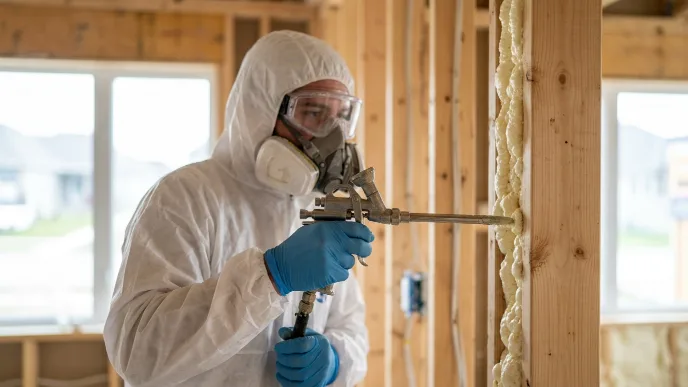
Professional spray foam, specifically the closed-cell variety, acts as a structural adhesive that bonds wall studs and roof rafters together. This creates a rigid shell that significantly increases the racking strength of a building, helping it withstand high winds and heavy snow loads.
By filling every gap and hardening into a dense solid, the spray foam becomes a literal part of the building's skeleton, providing essential structural integrity. A Spray Foam Insulation Contractor applies this advanced insulation system to strengthen the building envelope while improving energy efficiency and moisture resistance. This guide provides a detailed look at how this insulation method protects new constructions from the specific environmental pressures found in the Teton Valley.
The information presented here comes from industry standards regarding building envelope performance and structural reinforcement. Readers can expect a thorough breakdown of why this material is a top choice for modern contractors and homeowners alike.
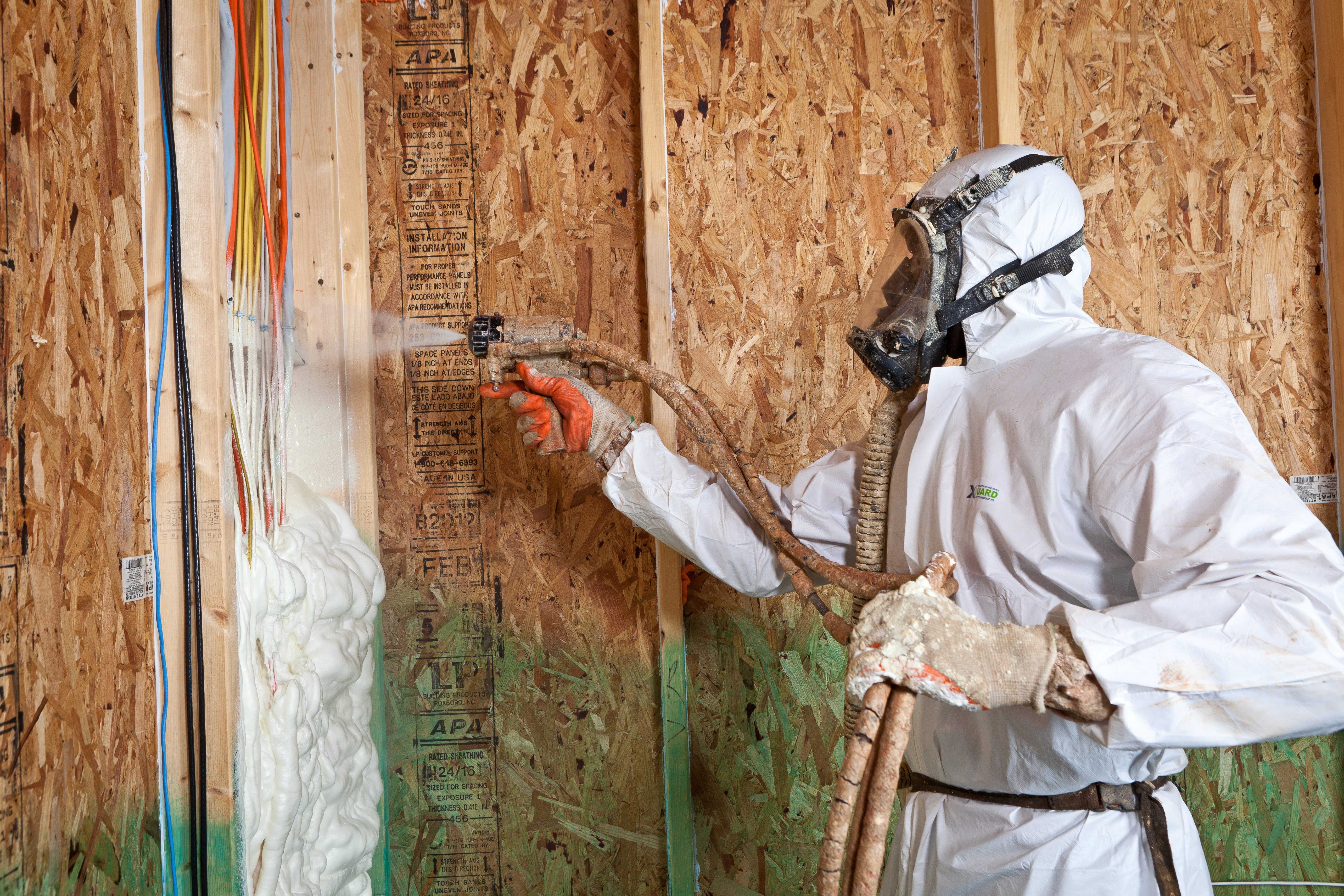
Why spray foam structural integrity matters for Teton Valley homes
In high-altitude environments like Driggs, buildings face intense pressure from seasonal shifts and extreme weather. Standard fiberglass batts only sit inside the wall cavities, offering no physical support to the frame.
When professionals use closed-cell foam, they apply a liquid that expands and hardens. This process glues the entire wall assembly into a single, cohesive unit. Because the foam is dense and rigid, it prevents the wood from shifting or twisting over time.
This added stiffness is especially useful during the spring thaw or high-wind events. It helps keep your drywall from cracking and ensures your doors and windows continue to swing freely as the house settles into its foundation.
Does closed-cell spray foam add structural strength to a house?
One of the most frequent questions builders ask is whether closed-cell spray foam adds structural strength during the initial framing phase. Engineering tests show that walls filled with closed-cell foam can be up to three times stronger than those with traditional insulation.
The foam acts like a continuous brace. In a standard build, the plywood or OSB sheathing provides the racking strength, but the foam doubles down on this by filling the space between the studs and the exterior skin.
- It increases the weight-bearing capacity of the roof by distributing loads more evenly across the rafters.
- It reduces wall "shear," which is the tendency of a rectangular frame to lean or collapse under side pressure.
- It creates a monolithic barrier that resists the uplift forces caused by strong mountain gusts.
Technical properties of closed-cell spray foam insulation
The effectiveness of this material comes from its chemistry and physical makeup. Unlike open-cell foam, which is soft and spongy, closed-cell foam contains millions of tiny, pressurized bubbles that remain intact after the foam cures.
The properties of closed-cell spray foam insulation include a high R-value per inch and a high density, typically around two pounds per cubic foot. This density provides the physical resistance needed to reinforce a wooden frame.

Managing heavy snow loads with reinforced roofing
In Driggs, snow can pile up several feet deep on a roof, putting thousands of pounds of pressure on the trusses. When spray foam is applied to the underside of the roof deck, it bonds the plywood sheets to the rafters.
This creates a "stressed skin" effect. Instead of the rafters carrying the weight alone, the entire roof structure works together to support the snow. This helps prevent sagging and long-term structural fatigue that often plagues older mountain cabins.
Bonus Tip: If you are building in a high-snow area, have the installers apply the foam directly over the seams of the roof sheathing. This prevents small leaks from melting snow and further strengthens the most vulnerable points of the roof.

How does spray foam structural integrity improve longevity?
By reducing the amount of movement in a home's frame, the structural integrity provided by spray foam directly extends the life of the building materials. Wood that doesn't flex as much is less likely to develop "fastener pop" or structural rot.
The foam also blocks moisture from entering the wall cavity. Since water cannot penetrate the closed-cell structure, the wood stays dry, preventing the decay that often weakens a home's skeleton over several decades.
The spray foam insulation installation process for new builds
The timing of the spray foam insulation installation is vital for a successful new build. It typically happens after the electrical and plumbing rough-ins are finished but before the drywall goes up.
- Preparation: Installers mask off windows, doors, and any mechanical equipment to prevent overspray.
- Application: The foam is sprayed in layers, or "passes," to ensure it doesn't overheat during the chemical reaction.
- Expansion: The liquid expands within seconds, filling every crevice and bonding to the wood.
- Trimming: Any excess foam that extends past the studs is trimmed back so the drywall can sit flush against the frame.
Factors to verify before selecting a foam solution
Before committing to a specific insulation plan, you should evaluate the environmental needs of your specific lot. Not every building requires the same density of foam, and site conditions matter.
- Local Wind Ratings: Check if your build site is in a high-wind zone that requires the extra racking strength of closed-cell foam.
- Substrate Cleanliness: Ensure the wood framing is dry and free of dust so the foam bonds properly to the surface.
- Ventilation Planning: Because spray foam creates an airtight seal, you must plan for mechanical ventilation (like an ERV) to keep the air fresh.
- Installer Certification: Verify that the team has the specific equipment and training to handle the high-pressure spray systems.
Bonus Tip: Ask for a "blower door test" after the foam is installed. This verifies exactly how well the home is sealed and ensures the structural shell is performing as expected.
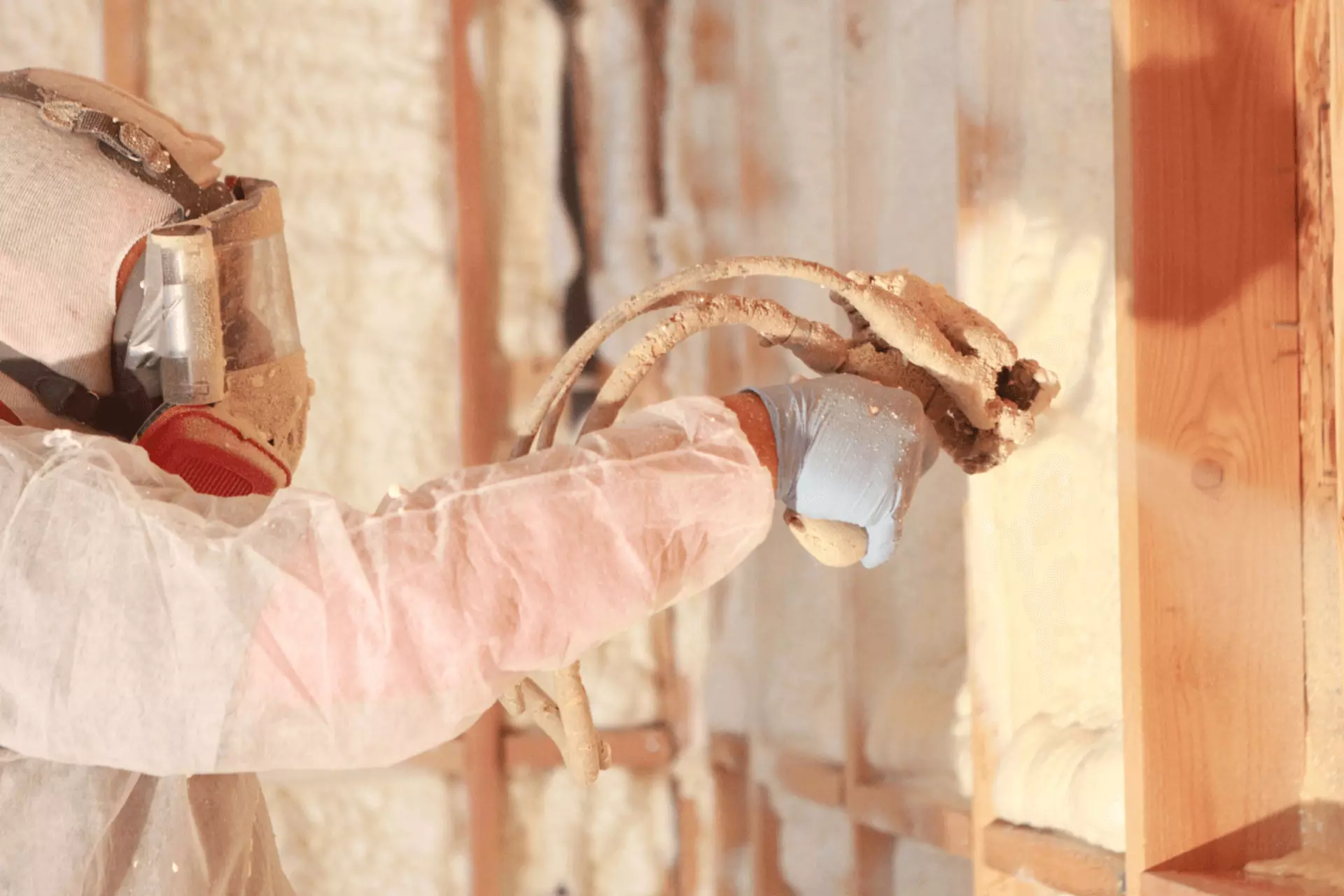
Protecting the home from seasonal shifting
The ground in the Teton Valley can be prone to frost heave. While insulation cannot stop the ground from moving, a more rigid house frame can better withstand the minor shifts that occur during seasonal transitions.
When a home has reinforced structural integrity from spray foam, it resists the "creaks and moans" common in stick-built houses. This leads to a quieter living environment and fewer maintenance issues related to wall and ceiling cracks over the years.
Seeking expert help for your new construction project
Building a home in Driggs requires a strategy that accounts for the local climate and structural demands. If you are looking for ways to make your new build more durable and energy-efficient, contacting a specialized team is a smart move. High Country Solutions provides expert insulation services tailored to the unique needs of the Teton Valley. You can reach their team at (307) 248-9063 or email them at [email protected] to discuss your project. They are located in the region and understand the specific challenges of mountain building. For a free quote and to see how their services fit your construction timeline, visit their location at https://maps.app.goo.gl/XmZc8f9ob5MoANMT7. Their expertise ensures that your home remains a solid and comfortable sanctuary for decades.
Summary of structural benefits for new homes
Spray foam provides more than just a thermal barrier; it is a structural upgrade that reinforces the entire frame of a new build. By utilizing closed-cell foam, you ensure that your home is stiffer, stronger, and better equipped to handle the heavy snow and high winds of Driggs. This investment pays off through reduced maintenance, better energy performance, and a longer lifespan for the building. Evaluate your project goals and consider how a rigid insulation shell can provide the long-term stability your property deserves.
Common questions about spray foam and building strength
How much extra strength does spray foam actually provide?
Engineering studies indicate that closed-cell spray foam can increase the racking strength or shear resistance of a wall by approximately 200% to 300% compared to standard glass fiber insulation.
Will the foam pull away from the wood as the house settles?
No, professional-grade closed-cell foam has high adhesion properties. It remains bonded to the wood even as the lumber undergoes natural drying and minor settling.
Is it possible to over-insulate a new build with spray foam?
While you cannot "over-insulate" in terms of R-value, you must ensure your home has a proper mechanical ventilation system because the foam makes the structure extremely airtight.
Does the foam lose its structural properties over time?
Closed-cell foam is chemically stable. Once it has cured, it does not shrink, sag, or degrade, meaning the structural reinforcement it provides lasts for the life of the building.
Can spray foam be used to fix an existing weak structure?
While it adds strength to new builds, it can also be used in renovations to stiffen older frames, though the application process is more complex when walls are already closed.