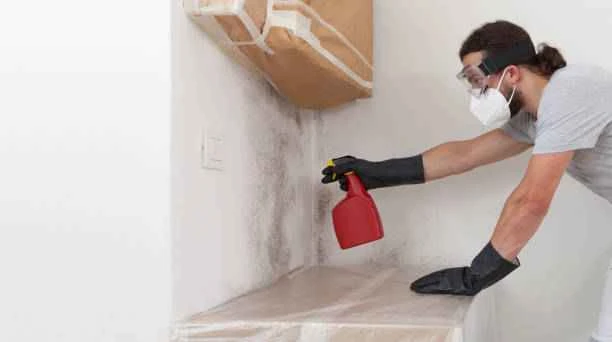
Mold is more than just an unsightly nuisance it’s a silent destroyer that can compromise a building’s structural integrity and put the health of its occupants at serious risk. It thrives in damp, humid environments and can grow undetected for weeks or months before visible signs appear. Left untreated, mold spreads quickly, weakening building materials and releasing spores that can cause respiratory problems, allergic reactions, and other serious health issues. The most effective way to address this problem is through professional mold cleanup. Unlike DIY methods, professional services go beyond surface cleaning, targeting the root cause to ensure mold is removed entirely and does not return.
Property owners who understand both the dangers of mold and the benefits of hiring trained professionals can make better decisions that protect their investment and the safety of those inside. In this article, we will explore how mold causes damage, the health hazards it presents, and why professional remediation is the safest, most reliable solution.
Understanding Mold and How It Spreads
Mold is a type of fungus that reproduces through microscopic spores. These spores are constantly present in the air, both indoors and outdoors, but they only grow into mold colonies when they land on damp surfaces. Moisture from roof leaks, plumbing problems, flooding, or high humidity provides the perfect conditions for growth. Poor ventilation in bathrooms, kitchens, basements, and crawl spaces can further accelerate the problem.
Once mold takes hold, it spreads rapidly. Spores released into the air can travel to other parts of the building, starting new colonies in hidden areas such as behind walls, under flooring, or inside HVAC systems. Certain molds, like Stachybotrys chartarum (commonly known as black mold), can produce toxic compounds that are especially dangerous to human health. This makes early detection and thorough removal crucial.
The Link Between Mold and Structural Damage
Mold doesn’t just live on surfaces it feeds on them. Many building materials, such as wood, drywall, and insulation, contain cellulose or other organic matter that mold consumes as food. Over time, this weakens the material, causing significant structural issues.
For example:
Wood Decay – Mold slowly breaks down the cellulose fibers in wood, causing beams, studs, and joists to lose strength. This can compromise the load-bearing capacity of walls and floors.
Drywall Deterioration – Mold can stain, soften, and crumble drywall, often requiring complete replacement.
Insulation Damage – Moldy insulation loses its effectiveness and can release spores throughout the home.
Foundation and Framing Weakness – In basements and crawl spaces, mold can eat away at structural framing, leading to dangerous instability.
By the time visible signs appear such as dark patches, warping, or crumbling materials considerable damage may already be present. Professional mold cleanup can address the problem before it escalates into a costly and dangerous situation.
Health Risks Associated With Mold Exposure
While structural damage is a major concern, mold also poses serious health hazards. Exposure can trigger a wide range of symptoms, depending on the type of mold and the individual’s sensitivity. Common health effects include:
Persistent coughing and wheezing
Nasal congestion, sinus infections, and sore throats
Eye irritation, redness, and watering
Skin rashes and itching
Asthma attacks and shortness of breath
Headaches, fatigue, and dizziness
Those with weakened immune systems, such as infants, elderly individuals, and people with chronic illnesses, are especially vulnerable. In severe cases, prolonged exposure to toxic mold can lead to long-term respiratory diseases and other chronic health conditions. This makes professional intervention not just a matter of property care, but also a critical step in protecting human health.
Why DIY Mold Removal Often Fails
Many homeowners attempt to remove mold themselves, armed with bleach, vinegar, or store-bought cleaning sprays. While these solutions may temporarily remove visible mold, they rarely address the root cause or hidden growth. There are several reasons why DIY removal is often ineffective:
Hidden Infestations – Mold often thrives behind walls, under floors, and in air ducts where household tools cannot reach.
Incomplete Removal – Without thorough cleaning and proper treatment, spores remain and quickly regrow.
Spore Spread – Improper cleaning can release spores into the air, spreading them to unaffected areas.
Moisture Problems Unresolved – If the underlying moisture issue is not fixed, mold will return.
Companies like GCR Builders LLC use advanced techniques such as HEPA filtration, moisture mapping, and negative air pressure systems to ensure complete removal and prevention of future growth.
The Process of Professional Mold Cleanup
A complete professional mold cleanup involves several key steps, each designed to remove mold safely and prevent it from returning.
Inspection and Assessment
Professionals begin with a detailed inspection using specialized equipment to detect mold and moisture in both visible and hidden areas. This step ensures no contamination is overlooked.
Containment
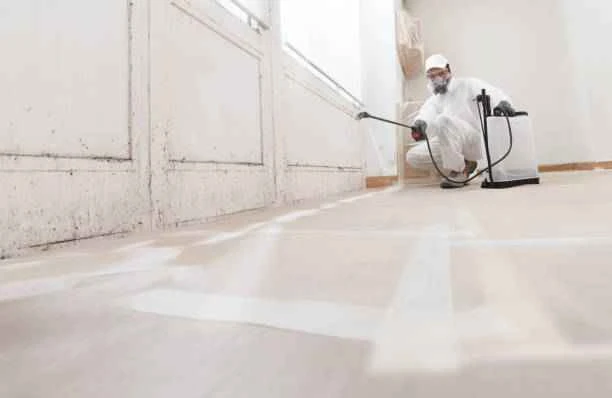
To prevent spores from spreading during removal, technicians isolate affected areas using plastic sheeting and establish negative air pressure.
Air Filtration
HEPA air scrubbers and vacuums remove airborne spores, improving indoor air quality.
Mold Removal
Contaminated porous materials like drywall, insulation, and carpeting are removed and safely disposed of. Non-porous surfaces are cleaned with antifungal solutions.
Drying and Dehumidification
Professionals use industrial-grade dehumidifiers and fans to eliminate moisture, preventing mold from regrowing.
Restoration
The final step involves repairing or replacing damaged materials. GCR Builders LLC offers both remediation and restoration, providing a complete solution from start to finish.
Long-Term Benefits of Hiring Professionals
Hiring experts for mold removal offers benefits that go beyond cleaning. Some of the most significant advantages include:
Permanent Solutions – Professionals address the root moisture problem, ensuring mold doesn’t return.
Improved Health – Removing spores reduces the risk of allergies and respiratory illness.
Preserved Property Value – Quick intervention prevents costly structural damage that could lower resale value.
Peace of Mind – Property owners can rest assured the problem is fully resolved.
Documentation from a professional cleanup can also be valuable in insurance claims or property sales, providing proof that the building is mold-free.
Preventing Future Mold Growth
While cleanup solves the immediate problem, prevention is the best long-term strategy. Here are steps property owners can take:
Control Indoor Humidity – Keep humidity below 50% using dehumidifiers or air conditioners.
Fix Leaks Promptly – Address roof, plumbing, and window leaks immediately to prevent moisture buildup.
Improve Ventilation – Install exhaust fans in bathrooms, kitchens, and laundry rooms.
Regular Inspections – Have professionals check attics, crawl spaces, and basements for early signs of mold.
Clean and Maintain Gutters – Prevent water from pooling around your home’s foundation.
Proactive maintenance can save thousands in repair costs and keep the property safe and healthy.
Conclusion
Mold is a serious problem that can quietly damage a building’s structure and threaten the health of its occupants. Once it takes hold, it can spread quickly, compromising wood, drywall, and insulation while releasing harmful spores into the air. The most effective way to combat this problem is through professional mold cleanup, which ensures complete removal and addresses the underlying cause.
Professional services not only remove visible mold but also find and treat hidden infestations, prevent future growth, and restore damaged structures. Companies like GCR Builders LLC provide the expertise, equipment, and safety measures necessary to protect your home or business from long-term harm.
By acting quickly and investing in professional help, property owners can safeguard their investment, maintain structural integrity, and protect the health of everyone who enters the building. Mold may be a silent enemy, but with the right approach, it doesn’t have to win.