Ice baths, also known as cold water immersion, have become a familiar sight in professional sports facilities around the world. From elite footballers to Olympic runners, many athletes step into tubs of icy water after intense training sessions or competitions. While the practice may look extreme, ice baths play a strategic role in recovery and performance management at the highest levels of sport.
What Is an Ice Bath?
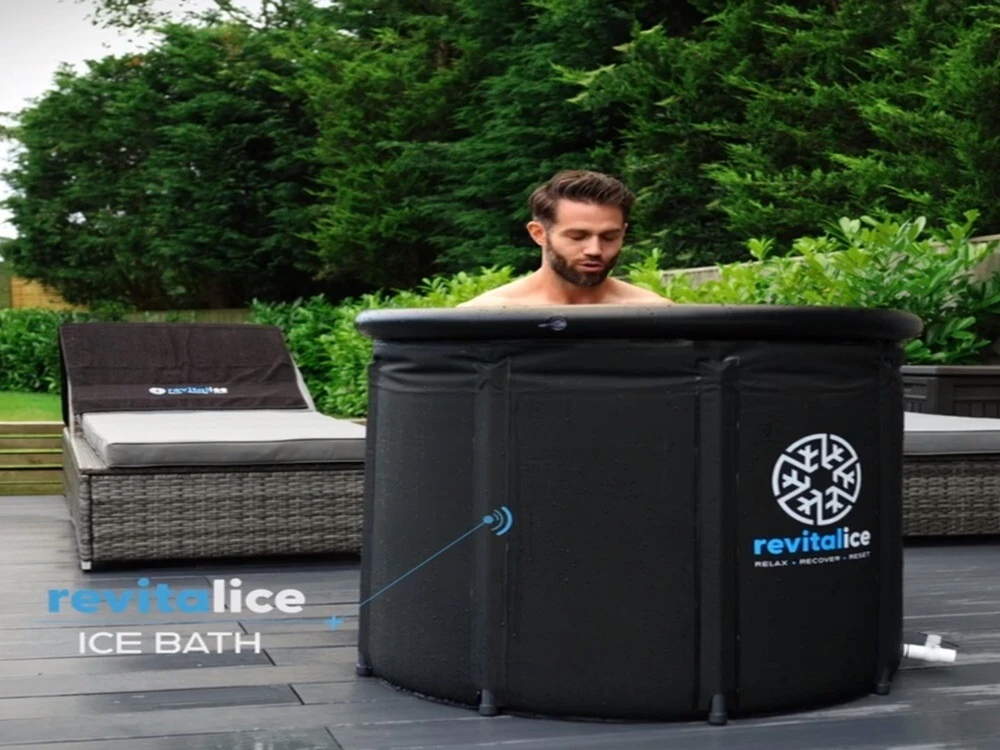
An ice bath typically involves immersing the body (or lower half of the body) in cold water ranging from 10–15°C (50–59°F) for about 5 to 15 minutes. The goal is not comfort, but recovery. Athletes use ice baths as a tool to manage the physical stress that accumulates from repeated high-intensity training.
Reducing Muscle Soreness and Inflammation
One of the primary reasons professional athletes use ice baths is to reduce delayed onset muscle soreness (DOMS). Intense exercise causes microscopic muscle damage and inflammation. Cold exposure constricts blood vessels, which can temporarily reduce swelling and inflammatory responses. After exiting the bath, blood flow increases again, helping flush out metabolic waste products. Many athletes report feeling less sore and stiff the following day, allowing them to train again sooner.
Speeding Up Recovery Between Sessions
In elite sports, recovery time is often limited. Tournament schedules, back-to-back games, and intense training blocks leave little room for extended rest. Ice baths help athletes recover faster between sessions, especially during congested competition periods. For example, football and basketball players often use ice baths after matches to maintain readiness for the next game within days—or even hours.
Managing Heat and Core Body Temperature
Ice baths are also used as a cooling strategy, particularly in hot environments. Endurance athletes such as marathon runners or cyclists may use cold immersion after training to rapidly lower core body temperature. This helps reduce cardiovascular strain and allows the body to return to a normal state more quickly.
Mental Toughness and Routine
Beyond physical benefits, ice baths can play a psychological role. The discomfort of cold exposure requires mental control and focus, traits that elite athletes constantly train. For some, ice baths become part of a disciplined recovery ritual that reinforces professionalism and commitment. Having a consistent post-training routine can also improve relaxation and sleep quality, both crucial for recovery.
When Ice Baths Are (and Aren’t) Used
Despite their popularity, ice baths are not used after every session. Recent research suggests that frequent cold exposure may blunt long-term muscle growth by reducing the body’s natural adaptation to strength training. As a result, professional athletes and sports scientists carefully time ice baths. They are more commonly used after competitions or during heavy training periods, rather than after sessions focused on muscle development.
Individualized Recovery Strategies
Not all athletes respond the same way to ice baths. Some prefer contrast therapy (alternating hot and cold), while others use cryotherapy chambers or active recovery instead. Professional teams often tailor recovery protocols based on the athlete’s sport, position, injury history, and personal response to cold exposure.
Conclusion
Ice baths are not a magic solution, but when used strategically, they are a valuable recovery tool for professional athletes. By reducing soreness, supporting rapid recovery, and helping manage physical stress, ice baths allow athletes to maintain high performance levels in demanding training and competition schedules. As sports science continues to evolve, ice baths remain a powerful example of how recovery is treated as seriously as training itself.