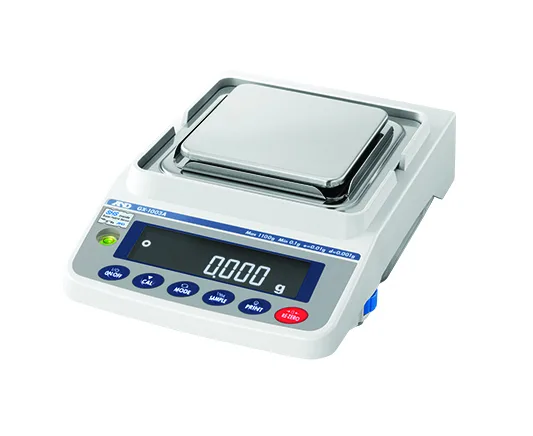
In modern manufacturing and production environments, accuracy is critical. Even the smallest measurement error can affect product quality, operational efficiency, compliance, and profitability. This is why many industries rely on precision scales to ensure consistent and accurate weighing throughout their production processes.
From food manufacturing and pharmaceuticals to chemical processing and industrial assembly, precision scales play an essential role in maintaining quality control and streamlining operations. These highly accurate weighing instruments help businesses reduce waste, improve productivity, and maintain compliance with industry standards.
What Are Precision Scales?
Precision scales are highly accurate weighing instruments designed to measure small weight variations with exceptional sensitivity. Unlike standard industrial scales, precision scales offer fine readability and consistent measurement accuracy, making them suitable for applications where exact weight measurements are essential.
These scales are commonly used in:
- Manufacturing facilities
- Laboratories
- Food production plants
- Pharmaceutical industries
- Chemical processing
- Electronics manufacturing
- Packaging operations
Precision scales are available in various capacities and resolutions, allowing businesses to select models suited to their operational requirements.
The Importance of Accurate Weighing in Manufacturing
In manufacturing, precision directly affects product quality and operational performance. Incorrect measurements can lead to:
- Product inconsistencies
- Material waste
- Failed quality inspections
- Equipment inefficiencies
- Increased production costs
- Regulatory non-compliance
Using precision scales helps manufacturers maintain accurate measurements throughout production, ensuring products meet strict quality standards.
Accuracy Supports Consistency
Consistency is vital in production environments. Whether mixing ingredients, weighing raw materials, or packaging finished products, precision scales help ensure every batch meets the same specifications.
This level of consistency improves:
- Product reliability
- Brand reputation
- Customer satisfaction
- Production efficiency
Businesses that prioritise accurate weighing often experience fewer production errors and better operational control.
1. Reducing Material Waste
One of the biggest ways precision scales improve efficiency is by minimising material waste.
Preventing Overuse of Raw Materials
Inaccurate measurements can result in excessive use of expensive raw materials. Over time, even minor overfilling or incorrect batching can create substantial financial losses.
Precision scales allow operators to measure exact quantities, helping businesses:
- Reduce raw material consumption
- Improve inventory management
- Lower production costs
- Minimise product giveaway
This is especially important in industries using costly materials such as pharmaceuticals, chemicals, metals, and food ingredients.
Supporting Sustainable Manufacturing
Reducing waste also contributes to environmentally responsible manufacturing practices. Businesses that minimise material usage can lower their environmental impact while improving profitability.
Sustainable production processes are becoming increasingly important for Australian manufacturers aiming to meet environmental standards and customer expectations.
2. Improving Production Speed and Workflow
Modern precision scales help streamline production workflows and improve operational efficiency.
Faster Measurement Processes
Digital precision scales provide rapid and highly accurate readings, reducing the time required for manual weighing procedures.
Features such as:
- Instant weight stabilisation
- Digital displays
- Tare functions
- Automated data recording
- Connectivity with production systems
allow operators to work more efficiently and reduce processing delays.
Supporting Automated Manufacturing
Many precision scales integrate directly with automated production systems and software platforms. This enables seamless communication between weighing equipment and manufacturing machinery.
Automated weighing systems can:
- Control ingredient dispensing
- Monitor batch consistency
- Trigger filling processes
- Improve packaging accuracy
- Reduce manual intervention
By automating weighing tasks, businesses can increase production output while reducing labour costs and human error.
3. Enhancing Product Quality Control
Quality control is one of the most important aspects of manufacturing, and precision scales play a major role in maintaining high standards.
Accurate Batch Formulation
In industries such as food production and pharmaceuticals, precise ingredient measurements are essential. Even small variations can affect product safety, taste, texture, or performance.
Precision scales help manufacturers:
- Maintain consistent formulations
- Meet product specifications
- Improve batch accuracy
- Reduce rejected products
This leads to better product quality and improved customer trust.
Supporting Compliance and Industry Standards
Many industries must comply with strict regulations regarding product consistency and measurement accuracy.
Precision scales assist businesses in meeting standards related to:
- Food safety
- Pharmaceutical manufacturing
- Chemical processing
- ISO quality management systems
Accurate weighing records also simplify audits and compliance reporting.
4. Reducing Human Error
Manual weighing methods are more prone to mistakes, especially in high-volume production environments.
Digital Technology Improves Accuracy
Modern precision scales feature advanced digital technology that reduces operator errors through:
- Automatic calibration
- Clear LCD displays
- Programmable settings
- Error alerts
- Data storage functions
These features improve measurement reliability and reduce the risk of incorrect readings.
Improved Staff Productivity
Easy-to-use weighing systems reduce training requirements and help employees perform tasks more efficiently.
When workers can rely on accurate and automated weighing equipment, they spend less time correcting mistakes and more time focusing on production goals.
This contributes to:
- Better workflow management
- Increased operational efficiency
- Lower rework costs
- Improved staff performance
5. Optimising Packaging and Inventory Management
Precision scales also improve efficiency in packaging and inventory control processes.
Accurate Packaging Weights
Incorrect package weights can create problems such as:
- Underfilled products
- Customer complaints
- Regulatory penalties
- Shipping inconsistencies
Precision scales ensure products are packaged accurately and consistently before distribution.
This is especially important for industries selling products by weight, including:
- Food manufacturers
- Cosmetic companies
- Chemical suppliers
- Retail packaging businesses
Better Inventory Tracking
Precision scales assist with accurate stock measurement and inventory management. Businesses can monitor raw material usage more effectively and reduce stock discrepancies.
Improved inventory control helps manufacturers:
- Prevent shortages
- Reduce overstocking
- Improve purchasing decisions
- Maintain production continuity
Industries That Benefit from Precision Scales
Many industries rely on precision scales to improve operational efficiency and maintain product quality.
Food Manufacturing
Food producers use precision scales for ingredient measurement, portion control, and packaging accuracy.
Pharmaceutical Industry
Pharmaceutical companies require highly accurate weighing for medication formulation and regulatory compliance.
Chemical Processing
Chemical manufacturers rely on precision measurements to ensure safe and consistent product mixing.
Electronics Manufacturing
Electronic components often require extremely precise measurements during assembly and testing processes.
Industrial Manufacturing
General manufacturing facilities use precision scales for material handling, batching, and quality control.
Key Features to Look for in Precision Scales
When selecting a precision scale for manufacturing applications, businesses should consider the following features:
High Accuracy and Readability
Choose scales with suitable resolution and precision for your application.
Durable Construction
Industrial environments require scales built from strong and reliable materials.
Fast Response Time
Quick readings improve operational speed and workflow efficiency.
Connectivity Options
USB, Bluetooth, or software integration capabilities support automation and data management.
Calibration Functions
Automatic calibration helps maintain long-term measurement accuracy.
Easy Maintenance
Scales with simple cleaning and maintenance procedures reduce downtime.
The Future of Precision Weighing in Manufacturing
As manufacturing technology continues to evolve, precision scales are becoming increasingly advanced. Smart weighing systems now integrate with cloud platforms, automation software, and Industry 4.0 technologies.
Modern precision scales can provide:
- Real-time data monitoring
- Automated reporting
- Predictive maintenance alerts
- Enhanced production analytics
These innovations help businesses improve operational visibility and make data-driven decisions that enhance efficiency and profitability.
Final Thoughts
Precision scales are an essential part of efficient manufacturing and production processes. By providing highly accurate measurements, these scales help businesses reduce waste, improve product quality, streamline workflows, and minimize operational costs.
From automated production systems to quality control and inventory management, precision scales deliver measurable benefits across a wide range of industries. As Australian manufacturers continue to focus on productivity, sustainability, and compliance, investing in reliable precision weighing equipment is becoming increasingly important.
Businesses that adopt advanced precision scales can improve operational efficiency, maintain consistent product quality, and stay competitive in today’s fast-paced manufacturing environment.