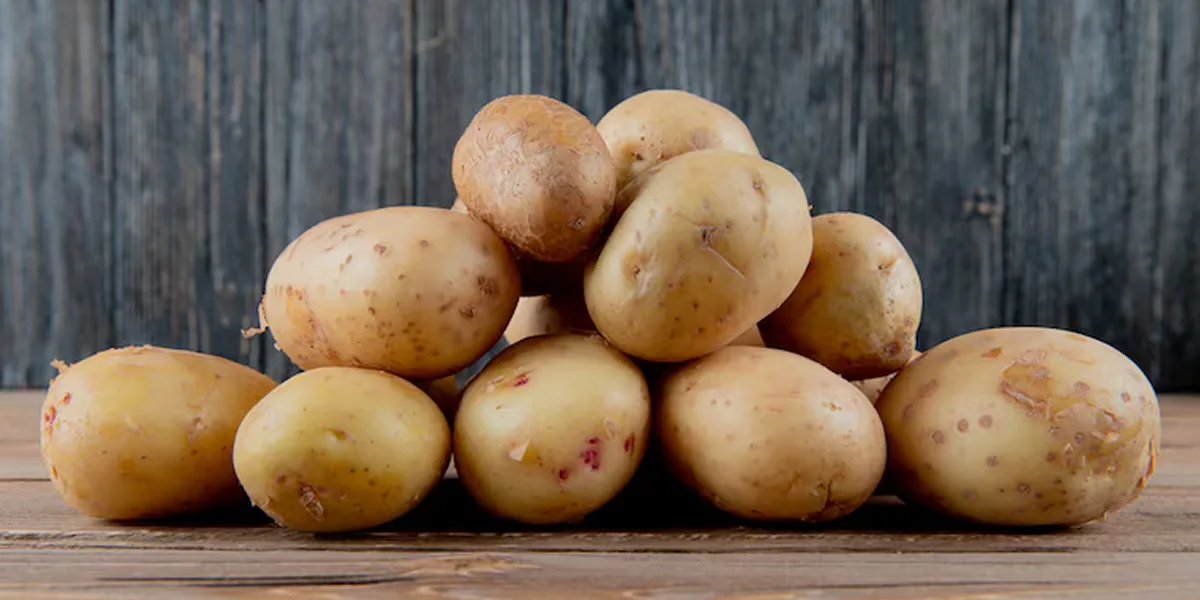
Potatoes are an important agricultural commodity traded across domestic and international markets. Their demand comes from retailers, food service businesses, food processing industries, and distributors that require a consistent supply of quality produce. However, delivering fresh potatoes across international borders requires careful planning, appropriate storage, protective packaging, and efficient transportation.
A professional Potato Exporter must coordinate multiple stages of the supply chain to help preserve freshness, meet buyer specifications, and reduce losses during transit. Understanding these processes helps international buyers evaluate suppliers and make informed purchasing decisions.
1. Selecting the Right Potato Varieties
Quality management begins with selecting potato varieties suitable for the destination market and intended application. Some varieties are preferred for household cooking, while others are better suited for processing into chips, fries, and other food products.
Export requirements can vary depending on the importing country's preferences, seasonal availability, and market standards. Buyers and suppliers should agree on variety, size, appearance, and other product specifications before shipment.
Selecting suitable potatoes at the beginning helps reduce rejection risks and improves the likelihood of meeting customer expectations.
2. Grading and Quality Inspection
After harvesting, potatoes undergo sorting and grading to separate produce according to size, appearance, and condition. Damaged, diseased, or unsuitable potatoes should be removed before packaging.
Consistent grading is particularly important in international trade because buyers often expect uniform products across large shipments. Quality inspections can also help identify issues that may become more serious during transportation.
Important factors to evaluate include:
- Size and uniformity: Potatoes should meet the agreed size specifications for the destination market.
- Physical condition: Produce should be firm and free from significant cuts, bruises, decay, and other visible defects.
- Cleanliness: Soil and foreign materials should be managed according to buyer requirements and applicable regulations.
- Variety and intended use: The selected potatoes should match the requirements of the receiving market.
These checks support better shipment consistency and help buyers assess the quality of incoming produce.
3. Proper Storage Before Shipment
Storage conditions play a major role in maintaining potato quality. Excessive heat, moisture, poor ventilation, and exposure to light can contribute to deterioration, sprouting, or greening.
Export-ready potatoes should be stored in conditions appropriate to their variety, maturity, intended use, and expected shipping duration. Good ventilation and careful stock rotation help limit avoidable losses.
Temperature management requires particular attention because some potatoes intended for processing can develop undesirable sugar levels when stored too cold. Therefore, storage conditions should be selected according to the product's final application rather than applying one temperature to every shipment.
4. Packaging for International Transportation
Packaging protects potatoes during handling, loading, unloading, and transportation. Depending on the destination and buyer specifications, exporters may use suitable mesh bags, sacks, or other packaging designed for agricultural produce.
Packaging should support ventilation, facilitate handling, and provide adequate protection against physical damage. Package sizes, labels, and material requirements must also comply with applicable importing-country regulations.
For long-distance shipments, packaging decisions should consider the transportation method, expected transit time, humidity, and handling conditions. Proper loading practices further reduce pressure damage and unnecessary movement during transit.
5. Documentation and Export Compliance
International potato shipments require accurate documentation and compliance with the importing country's agricultural regulations. Depending on the destination, requirements may include phytosanitary certification, commercial invoices, packing lists, certificates of origin, and other customs or inspection documents.
A reliable Potato Exporter should verify the applicable import conditions before dispatch. Buyers should also confirm whether specific pest controls, inspection procedures, labeling rules, or additional certifications are required.
Preparing documents correctly helps minimize delays at customs and reduces the risk of shipment complications.
6. Transportation and Supply Chain Coordination
Efficient logistics help maintain product condition from packing facilities to the final destination. Exporters must coordinate shipment schedules, transport availability, loading procedures, and delivery timelines.
Clear communication between suppliers, freight partners, importers, and distributors helps manage unexpected delays. Buyers should confirm shipment quantities, delivery terms, product specifications, and procedures for addressing quality concerns.
Vashila Industries Pvt Ltd can be contacted to discuss agricultural product sourcing requirements, with current potato availability and export capabilities confirmed directly before proceeding.
Conclusion
Maintaining potato quality across global supply chains requires careful variety selection, grading, storage, packaging, documentation, and transportation planning. Each stage contributes to product consistency and helps reduce the risks associated with international shipping.
Choosing an experienced Potato Exporter and agreeing on clear specifications before dispatch can help international buyers manage procurement more effectively. By prioritizing quality control and regulatory compliance, businesses can build more dependable agricultural supply chains and support long-term trade relationships.