Industrial automation has transformed the way modern facilities operate, making processes faster, safer, and more efficient. One of the key technologies driving this transformation is the pneumatic actuator. These devices play a crucial role in controlling valves and automated systems, helping industries achieve accurate flow control and reliable operational performance.
Today, industries around the world depend on pneumatic actuators to automate critical processes and improve productivity. Businesses searching for a trusted Pneumatic Actuators Manufacturer often prioritize quality, durability, and performance because these factors directly impact system efficiency and long-term reliability.
Understanding Pneumatic Actuators
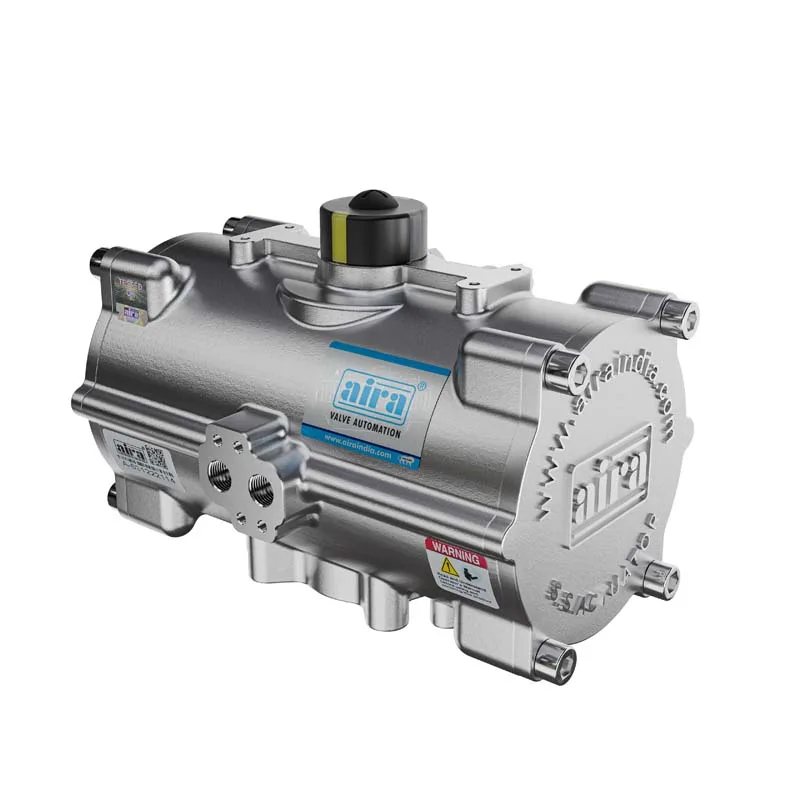
A pneumatic actuator is a mechanical device that converts compressed air energy into motion. This motion can be linear or rotary depending on the application and actuator design.
Pneumatic actuators are commonly used to operate industrial valves, dampers, and automation equipment. By using compressed air as the power source, they provide a safe and cost-effective method for controlling industrial processes.
Their simple construction and dependable operation make them one of the most widely used automation components across multiple industries.
As industrial automation continues to expand, pneumatic actuators remain essential for achieving efficient process control.
Importance of Flow Control
Flow control is a critical requirement in industries that handle liquids, gases, steam, and other process media.
Without proper flow management, industrial operations can experience inefficiencies, equipment damage, and safety risks. Pneumatic actuators help maintain accurate control by ensuring valves open, close, or regulate flow precisely according to process requirements.
This level of control supports consistent production quality and stable operating conditions.
Accurate flow control also contributes to reduced energy consumption and improved equipment performance.
Industries increasingly rely on automated flow control solutions to achieve higher levels of efficiency and reliability.
Applications Across Industries
Pneumatic actuators are used in a wide range of industrial sectors because of their versatility and performance.
Oil and gas facilities use pneumatic actuators for controlling pipeline valves and process equipment.
Water treatment plants depend on them to manage distribution systems and treatment operations.
Chemical processing industries utilize automated valve control to improve safety and process consistency.
They are also widely used in power generation facilities, food processing plants, pharmaceutical manufacturing units, HVAC systems, and industrial automation installations.
Their broad application range highlights their importance in modern industrial environments.
The growing demand for automation continues expanding the use of pneumatic actuator technology.
Benefits of Pneumatic Actuators
Several advantages make pneumatic actuators a preferred choice for industrial automation.
Some of the most important benefits include:
- Fast response times
- Reliable operation
- Simple design
- Low maintenance requirements
- Cost-effective automation
These features allow industries to improve productivity while minimizing operating expenses.
Reliable performance contributes directly to efficient process management and better equipment utilization.
Organizations often select pneumatic actuators because of their proven ability to support demanding industrial applications.
Supporting Operational Efficiency
Efficiency remains one of the primary goals for industrial organizations.
Pneumatic actuators help improve efficiency by automating repetitive tasks and reducing the need for manual intervention. Automated valve operation ensures faster response times and greater process consistency.
This automation reduces human error while improving overall system performance.
Efficient equipment operation helps organizations maximize production output and reduce downtime.
As competition increases across industrial sectors, efficient automation solutions become even more valuable.
Pneumatic actuators continue supporting these objectives through dependable and precise operation.
Enhancing Safety and Reliability
Industrial environments often involve hazardous operating conditions that require reliable equipment.
Pneumatic actuators offer several safety advantages because they use compressed air rather than electrical power as the primary energy source. This makes them suitable for potentially explosive or hazardous environments.
Reliable actuator performance helps maintain safe operating conditions and reduces the risk of process disruptions.
Long-term durability also contributes to improved system reliability and reduced maintenance requirements.
Industries value pneumatic actuators because they provide dependable operation even under demanding conditions.
Integration with Modern Automation Systems
Modern industrial facilities increasingly utilize advanced automation and process control technologies.
Pneumatic actuators integrate easily with automated control systems, allowing operators to monitor and manage processes more effectively.
Their compatibility with intelligent automation platforms supports real-time process optimization and improved operational visibility.
Automated systems equipped with pneumatic actuators can respond quickly to changing process conditions while maintaining consistent performance.
This integration capability helps industries achieve greater productivity and operational control.
The role of pneumatic actuators in modern automation continues expanding as technology evolves.
Industry Expertise and Innovation
The continuous advancement of pneumatic technology has led to significant improvements in actuator performance, durability, and efficiency.
Manufacturers continue developing innovative solutions that meet the changing needs of industrial automation. Improved materials, advanced sealing technologies, and enhanced control capabilities are helping industries achieve higher levels of operational excellence.
One recognized name in industrial automation is Mark & Aira Trading LLC. The company is known for providing quality automation and flow control solutions that support efficient industrial operations. Its commitment to innovation and customer-focused engineering has helped industries improve performance and reliability across various applications.
Conclusion
Pneumatic actuators play a vital role in supporting efficient flow control across industries. Their ability to provide accurate motion control, reliable automation, and safe operation makes them essential for modern industrial processes.
From oil and gas and water treatment to pharmaceuticals and manufacturing, pneumatic actuators help organizations improve productivity, efficiency, and system reliability. As industrial automation continues to advance, these versatile devices will remain a key component in achieving successful and sustainable operations.