Bathrooms used to be ignored. Function mattered more than design. But that’s changing. Today, bathrooms are becoming extensions of personal style. Materials like stone and tile are being combined with plywood sheets to create bold, inviting, and high-performance interiors. And it’s not just a trend. It’s a shift in how we think about moisture-heavy spaces.
Why Designers Are Turning to Plywood in Wet Zones
Traditionally, bathrooms meant ceramic tiles, granite counters, and maybe some steel hardware. All cold, hard surfaces. Now, plywood is stepping in to balance that. The texture of wood brings warmth. The versatility brings design flexibility. The right plywood for bathroom setups adds visual character while staying structurally sound.
But it’s not just about looks. High-grade plywood sheets can handle heat, humidity, and daily wear when properly sealed. That opens up a whole new set of design possibilities that weren’t available a decade ago.
Where Plywood Works Best Inside a Bathroom
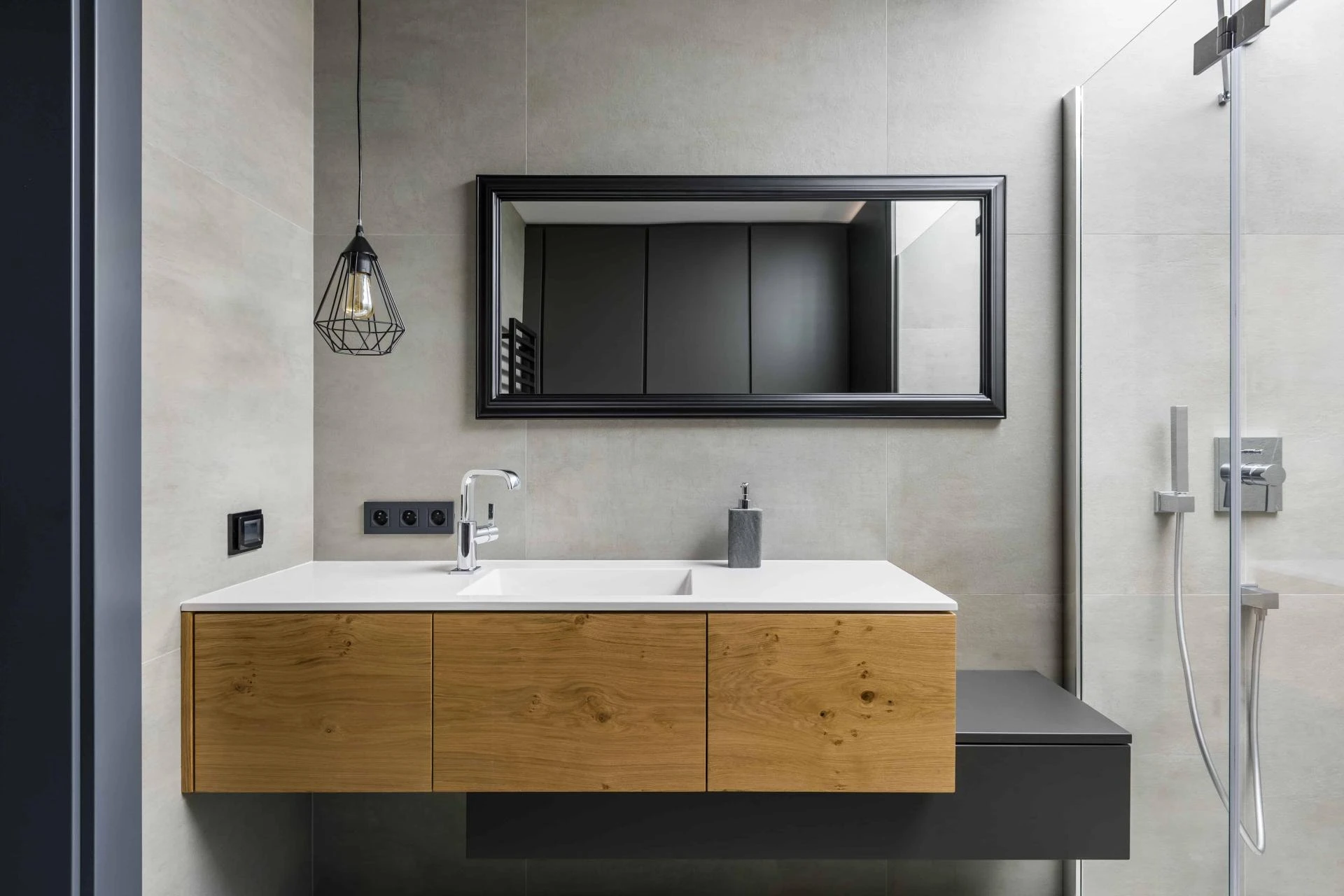
Think beyond cabinets. Plywood is being used for wall panelling, false ceilings, vanity units, and even bath panelling. In small bathrooms, vertical plywood sheets create the illusion of height. In larger spaces, bold grain patterns make the room feel custom-built.
For a minimal, Scandinavian-style look, go with matte-finished birch or ash veneers over water-resistant ply. For something warmer, teak-faced plywood for bathroom counters adds an earthy contrast to neutral tiling.
What to Watch Out For
Plywood is still wood. That means it’s vulnerable to water damage if poorly treated. Moisture resistance is non-negotiable. Never use commercial ply. Go for boiling waterproof (BWP) or marine-grade variants.
Every edge must be sealed. A single exposed cut can absorb moisture and cause swelling. Use PU sealants or melamine coatings.
Also, avoid direct contact with flowing water. No plywood under shower areas or behind taps unless covered with a waterproof laminate or acrylic sheet.
Plywood vs. MDF or Particle Board in Bathrooms
Many contractors offer MDF or particle board as a low-cost option. It’s a mistake. These materials fall apart when exposed to constant steam.
Plywood sheets, on the other hand, have cross-layered construction. That adds dimensional strength. They don’t expand or warp easily. That’s why plywood for bathroom use is now standard among high-end modular furniture makers.
Why the Aesthetic Matters
Bathrooms aren’t just utility spaces anymore. They’re mood-setters. A place to unwind. Plywood lets you play with grains, stains, and finishes. No two sheets are identical. That randomness is what gives the space personality.
With tile and stone, you get predictability. With plywood sheets, you get movement, flow, and natural texture. And if matched with soft lighting and black or brass fittings, the result is boutique-hotel-level design.
Finishing Makes All the Difference
Raw plywood is never used directly. Finishing is key. UV coatings, acrylic laminates, or veneer layers protect the surface and enhance appearance.
Even clear coatings need to be durable. Go for finishes designed for wet zones. Some finishes also come with anti-fungal and antibacterial properties, ideal for hygiene-sensitive zones like bathrooms.
The Long-Term View
Plywood has a long shelf life when installed correctly. It doesn’t delaminate, crack, or crumble like lower-grade boards. Repairs are also easier. Scratches can be sanded. Damaged panels can be replaced without dismantling the entire setup.
You also get sustainability. Many plywood sheets today are made with plantation timber and eco-friendly adhesives. That aligns with the growing push for greener homes.
Conclusion
Plywood is changing the way bathrooms look and feel. It brings warmth to cold spaces, character to sterile designs, and strength to moisture-heavy zones. But not all plywood performs the same. Choosing BWP or marine-grade plywood for bathroom use is what separates a bathroom that lasts from one that falls apart in two years.
CenturyPly has a variety of high-quality plywood products that suit the bathroom and can be used by designers and homeowners who want to achieve a balance between beauty and performance. The aim is straightforward: to make all bathrooms warmer, bolder, and much more stylish, but not to sacrifice durability.