Understanding Back Pain
Let’s be honest—almost everyone experiences back pain at some point in life.
It might start as a mild ache after long hours of sitting or suddenly feel like a sharp pull that makes even simple movements difficult.
In most cases, the lower back (lumbar region) is affected because it supports the majority of your body weight throughout the day.
Back pain usually occurs when the muscles, ligaments, or discs in the spine become strained, weak, or irritated. This often results from poor posture, lack of movement, or sudden physical stress.
The good news? Most types of back pain are reversible with the right care—especially physiotherapy.
What Causes Back Pain?
Back pain rarely appears overnight. It usually develops gradually due to everyday habits we tend to ignore.
Common causes include:
Poor Posture
Sitting in a slouched position or leaning to one side for long periods puts excessive pressure on the spine, leading to stiffness and muscle weakness over time.
Muscle or Ligament Strain
Improper lifting or sudden movements can strain the back muscles and ligaments, causing pain and restricted movement.
Sedentary Lifestyle
Sitting for extended hours without movement reduces blood flow to spinal muscles, making them tight and weak.
Disc Problems
Conditions like herniated or slipped discs can press on nearby nerves, leading to sharp, radiating pain (commonly known as sciatica).
Stress and Emotional Tension
Mental stress can also manifest physically, tightening muscles in the shoulders and lower back.
Poor Ergonomics
An unsupportive chair, improper workstation setup, or a soft mattress can continuously strain your spine.
Why Physiotherapy Is the Right Solution
Painkillers may offer temporary relief, but they don’t address the root cause.
Physiotherapy focuses on long-term healing by improving flexibility, posture, strength, and muscle coordination—without relying on medication or surgery.
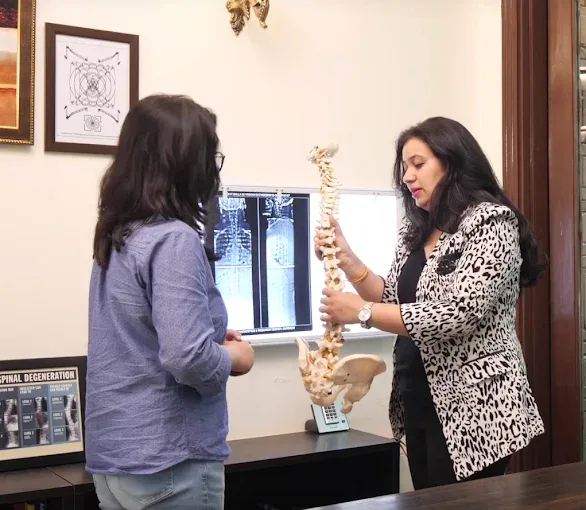
A physiotherapist evaluates your posture, mobility, and daily habits to identify the actual cause of your pain. Based on this, they create a personalised treatment plan to restore movement and strengthen your spine.
How to Plan Back Pain Exercises with Physiotherapy
Random exercises from the internet may not work—and can sometimes worsen the condition. A structured, physiotherapist-guided plan is always more effective.
Step 1: Identify the Root Cause
Understanding whether your pain is due to posture, muscle strain, or disc issues is essential. A proper assessment makes your treatment far more effective.
Step 2: Start with Gentle Mobility Exercises
Begin with light movements to reduce stiffness and improve circulation.
Examples include:
- Cat-Cow stretch
- Pelvic tilts
- Child’s pose
Even 10–15 minutes daily can significantly improve flexibility.
Step 3: Build Strength Gradually
Once mobility improves, focus shifts to strengthening the core and spine.
Exercises may include:
- Bridges
- Bird Dog
- Supervised core exercises
- Wall sits
A stronger core supports better posture and reduces future pain.
Step 4: Correct Posture and Ergonomics
Learning how to sit, stand, and move correctly is crucial.
Use a supportive chair, keep your spine aligned, and avoid leaning to one side. Small corrections can lead to major improvements.
Step 5: Stay Consistent
Recovery doesn’t happen overnight. Consistency matters more than intensity. Even 20 minutes daily can make a noticeable difference.
Step 6: Improve Your Lifestyle
Support your recovery with simple habits:
- Take short walking breaks
- Avoid improper lifting
- Maintain a healthy weight
- Sleep on a firm mattress
These changes help maintain long-term results.
Step 7: Regular Follow-Ups
If pain persists or returns, consult a physiotherapist regularly. They can adjust your treatment plan and prevent recurrence through targeted therapy.
Top 10 Physiotherapy Exercises for Back Pain
Here are some commonly recommended exercises:
- Pelvic Tilt – Strengthens lower back and core
- Knee-to-Chest Stretch – Relieves muscle tension
- Cat-Cow Stretch – Improves spinal flexibility
- Child’s Pose – Gently stretches the lower back
- Bridge Exercise – Strengthens glutes and spine
- Bird Dog – Enhances balance and stability
- Seated Forward Bend – Reduces stiffness
- Wall Sits – Builds lower body strength
- Lumbar Rotation Stretch – Improves spinal mobility
- Cobra Pose – Strengthens and opens the spine
Note: Always perform these exercises under professional guidance if you have chronic pain.
Final Thoughts
Back pain isn’t a sign of weakness—it’s your body asking for better care.
Physiotherapy provides a safe and natural way to relieve pain, improve posture, and prevent future issues.
Remember: Movement is medicine—when done correctly.
Stay consistent, take small steps daily, and your body will respond positively over time.