Sustainability has become a key priority for modern businesses. Organisations across industries are looking for ways to reduce their environmental impact while maintaining productivity and operational efficiency. Offices, in particular, consume large amounts of paper, electricity, and consumables every day. As a result, businesses are increasingly evaluating their equipment and workflows to adopt more environmentally responsible practices.
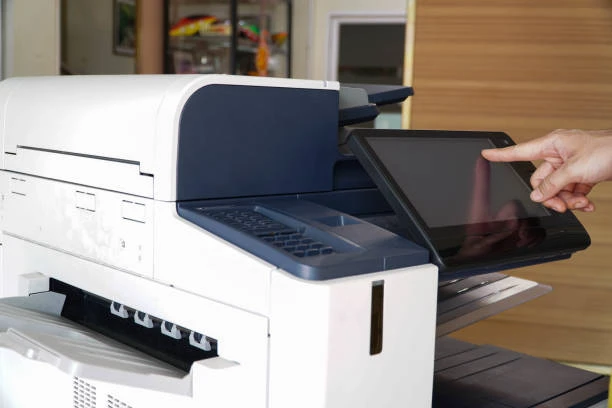
One often overlooked contributor to office sustainability is the photocopier. Modern photocopiers are far more advanced than earlier models and now include a range of features designed to reduce waste, conserve energy, and promote responsible document management. By choosing the right equipment and implementing smart printing practices, businesses can significantly reduce their environmental footprint. Photocopiers, therefore, play an important role in supporting office sustainability initiatives.
Reducing Paper Waste with Smart Printing Features
Paper consumption is one of the most visible environmental impacts of office work. Traditional printing habits, such as unnecessary copies or single-sided printing, can quickly lead to excessive paper waste.
Modern photocopiers help reduce this waste through built-in smart printing features. One of the most effective is automatic duplex printing, which allows documents to be printed on both sides of the paper. This simple function can reduce paper usage by up to 50 per cent in many offices.
Additionally, many photocopiers allow users to preview documents before printing. This helps prevent accidental print jobs or unnecessary copies. Features such as “print hold” or “secure release printing” ensure documents are only printed when the user confirms the job at the machine, reducing the number of forgotten or abandoned prints.
By encouraging smarter printing behaviour, photocopiers help businesses significantly lower their paper consumption and support environmentally responsible operations.
Energy Efficiency and Lower Power Consumption
Office equipment can consume a substantial amount of electricity, especially when devices remain powered on throughout the day and night. Modern photocopiers are designed with energy efficiency in mind and include technologies that minimise power consumption.
Energy-saving modes allow photocopiers to enter sleep mode when not in use. These modes drastically reduce electricity consumption while still enabling the machine to quickly wake up when a user sends a print job. Many devices also include programmable timers that allow businesses to automatically power down machines during non-working hours.
Energy-efficient photocopiers often comply with internationally recognised energy standards, helping organisations reduce their carbon footprint while lowering electricity costs. Over time, the cumulative energy savings from efficient devices can make a meaningful contribution to sustainability goals.
Digital Document Management and Paperless Workflows
One of the most significant ways photocopiers contribute to sustainability is by supporting the transition toward paperless offices. Modern multifunction photocopiers do much more than simply copy documents; they also scan, digitise, and distribute information electronically.
Scanning capabilities allow employees to convert physical documents into digital files that can be stored, shared, and managed electronically. Documents can be sent directly to email, cloud storage platforms, or document management systems. This reduces the need for printed copies while improving accessibility and collaboration.
Digital document management also helps organisations reduce storage space for paper records. Filing cabinets and archived documents can be replaced with secure digital systems, making it easier to organise and retrieve information while significantly reducing paper consumption.
As businesses increasingly embrace digital workflows, photocopiers act as a bridge between physical and digital documentation, helping offices move toward more sustainable practices.
Eco-Friendly Toner and Consumables
Another important sustainability factor involves the consumables used by photocopiers, including toner cartridges and maintenance components. Modern manufacturers are investing in environmentally friendly designs that reduce waste and support recycling initiatives.
Many photocopier toner cartridges are now designed to be recyclable, allowing businesses to return used cartridges through manufacturer's recycling programs. This helps prevent cartridges from ending up in landfills and encourages responsible disposal practices.
Some advanced photocopiers also use toner more efficiently, producing high-quality prints with less material. High-yield cartridges further reduce waste by lasting longer and requiring fewer replacements.
In addition, certain machines feature separate drum and toner systems. This means that when toner runs out, businesses only replace the toner cartridge rather than an entire imaging unit, reducing material waste and lowering environmental impact.
Supporting Sustainable Print Policies
Photocopiers also support sustainability through print management tools that help organisations monitor and control printing behaviour. Many modern devices integrate with print management software that tracks usage patterns and provides detailed reports.
These insights allow businesses to identify areas where printing can be reduced. For example, departments with unusually high print volumes can be encouraged to adopt digital alternatives or more efficient workflows.
Some systems also allow administrators to enforce sustainable printing policies. This may include default duplex printing, limits on colour printing, or requiring user authentication before printing large jobs. These policies encourage responsible use of office equipment and help reduce unnecessary resource consumption.
By making printing activity more transparent and manageable, photocopiers empower businesses to implement effective sustainability strategies.
Longer Lifespan and Reduced Electronic Waste
Electronic waste is an increasing global concern, and office equipment contributes significantly to this issue when devices are frequently replaced. Modern photocopiers are designed to be more durable and serviceable, helping extend their operational lifespan.
High-quality components and modular designs allow technicians to repair or upgrade machines rather than replace them entirely. Regular maintenance can keep photocopiers operating efficiently for many years, reducing the need for frequent equipment replacement.
Some manufacturers also offer refurbishment programs where used machines are restored and redeployed. This approach reduces electronic waste while providing cost-effective equipment options for businesses.
By prioritising longevity and repairability, photocopiers support a more sustainable approach to office technology.
Integration with Managed Print Services
Many organisations further enhance sustainability efforts by integrating photocopiers into managed print services (MPS). These services analyse a company’s entire printing environment and optimise it for efficiency, cost savings, and environmental responsibility.
Through MPS, businesses can reduce the number of unnecessary devices in the workplace, consolidate printing resources, and implement smarter workflows. This not only lowers equipment energy consumption but also reduces maintenance requirements and consumable usage.
Managed print services also ensure that devices are regularly maintained, helping them operate at peak efficiency and reducing waste associated with malfunctioning equipment.
By streamlining printing infrastructure, MPS helps businesses align their office operations with broader sustainability objectives.
Encouraging a Culture of Environmental Responsibility
Technology alone cannot achieve sustainability goals without the support of workplace culture. Photocopiers can help encourage environmentally responsible behaviour among employees by making sustainable choices easy and accessible.
When devices default to double-sided printing, offer digital scanning options, and provide secure printing features, employees are naturally guided toward more sustainable practices. Over time, these small changes can significantly reduce an organisation’s environmental impact.
In addition, visible sustainability initiatives—such as cartridge recycling programs or digital document systems—demonstrate a company’s commitment to responsible operations. This can enhance employee engagement and strengthen corporate social responsibility efforts.
Conclusion
Photocopiers have evolved far beyond simple document reproduction machines. Today’s multifunction devices play an important role in helping offices reduce waste, conserve energy, and transition toward digital workflows.
Through features such as duplex printing, energy-saving modes, digital scanning, recyclable consumables, and print management tools, photocopiers contribute significantly to office sustainability efforts. When combined with thoughtful workplace policies and managed print services, these technologies help businesses minimise their environmental footprint while maintaining productivity.
As organisations continue to prioritise sustainability, investing in efficient photocopiers and smarter document management practices will remain an essential step toward building greener and more responsible workplaces.