Introduction
Every pharmaceutical product you trust — from a tablet to an injectable — begins its journey inside a vessel. Yet, pharmaceutical vessel manufacturing rarely gets the attention it deserves in conversations about drug quality and GMP compliance. The truth is, the vessels used in your production line directly influence sterility, product consistency, and your facility's ability to pass regulatory audits. If you're a pharma manufacturer looking to upgrade your infrastructure or set up a new facility, understanding what goes into high-quality vessel fabrication can save you from costly mistakes down the line.
The Role of Vessels in Pharmaceutical Manufacturing
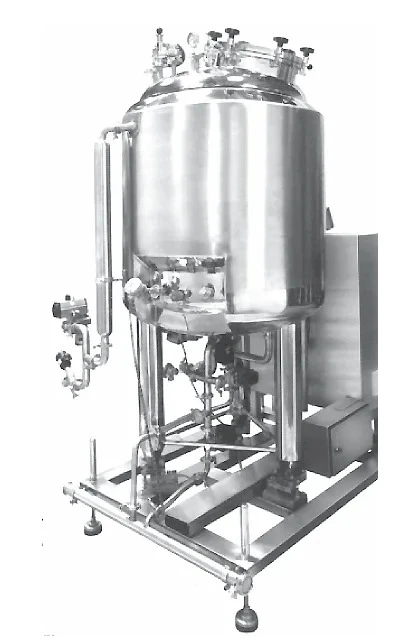
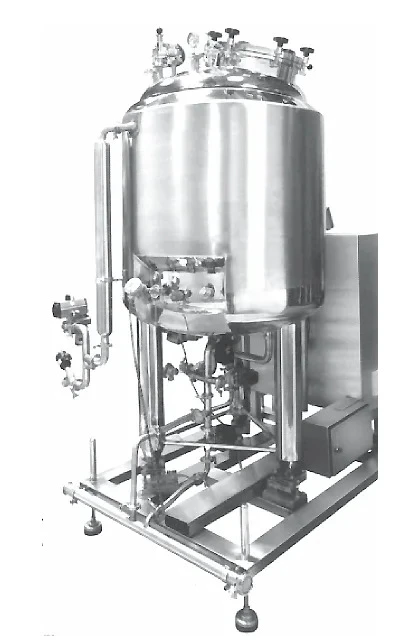
Vessels serve critical functions across the pharmaceutical production cycle — from raw material storage and API blending to fermentation, sterile filling, and water-for-injection (WFI) storage. Each of these applications demands a different engineering specification, but all share one common requirement: absolute cleanliness and material integrity.
A poorly fabricated vessel can become a contamination point that compromises entire batches. Crevices in welds, substandard surface finishes, or incompatible alloys can leach impurities into your product or become breeding grounds for microbial contamination. That's why pharmaceutical vessel manufacturing is a highly specialized discipline — not a job for a general-purpose fabricator.
What GMP-Compliant Vessel Fabrication Looks Like
When evaluating a sterile vessel manufacturer in India, you should expect them to meet these non-negotiable standards:
SS 316L material — Low carbon stainless steel that resists corrosion and meets FDA and cGMP material requirements
Electropolished or mirror-polished interiors — Surface finish of Ra ≤ 0.4 µm to minimize microbial adhesion and support effective CIP/SIP cleaning
Full-penetration TIG welding — Smooth, crevice-free welds that don't harbor contaminants
Pressure vessel certification — ASME-coded fabrication for high-pressure process applications
Complete documentation — Material test reports (MTRs), certificates of conformity, factory acceptance tests (FATs), and dimensional drawings for audit readiness
A qualified sterile manufacturing vessel manufacturer will also provide custom engineering support, meaning your vessel is designed around your specific process parameters — not retrofitted from a generic design.
Why Choosing the Right Supplier Matters More Than Ever
India's pharma industry is scaling aggressively into regulated global markets, including the US, Europe, and Japan. This growth demands infrastructure that meets international fabrication standards. The demand for quality sterile vessels India has surged as companies invest in WHO-GMP, USFDA, and EU-GMP compliant facilities.
However, not all sterile vessel suppliers in India are equipped to deliver at this level. Many fabricators lack proper documentation practices, surface finishing capabilities, or the expertise to handle custom process vessel designs. Choosing a supplier without verifying these capabilities can result in vessel qualification failures, audit observations, and expensive retrofits.
Sterinox Systems addresses these challenges head-on with a manufacturing process built entirely around pharmaceutical-grade standards. From initial consultation and design to fabrication, testing, and delivery, every stage follows strict quality protocols aligned with global regulatory expectations.
Investing in the Right Infrastructure Pays Off
Pharma companies that invest in precision pharmaceutical vessel manufacturing see returns in multiple ways — fewer batch failures, faster qualification cycles, cleaner audit outcomes, and lower long-term maintenance costs. It's not just a capital expenditure; it's a strategic decision that protects your product, your brand, and your patients.
Sterinox Systems has consistently delivered vessels that help pharma manufacturers stay audit-ready, production-efficient, and export-competitive — making them one of the most trusted names in sterile process equipment in India.
Conclusion
Pharmaceutical vessel manufacturing is the foundation on which safe, compliant, and high-quality drug production is built. Partnering with a manufacturer who understands GMP requirements, material science, and process engineering is not optional — it's essential. Sterinox Systems brings the expertise, certifications, and engineering precision your facility needs to operate with confidence.
Impurities in pharmaceutical manufacturing can silently compromise product safety — read this blog to understand how vessel quality plays a direct role in contamination control.