As people age, maintaining independence while ensuring safety becomes a primary concern for both seniors and their loved ones. Falls, medical emergencies, and security threats can pose significant risks to elderly individuals living alone. Personal alarm systems have emerged as a reliable solution to address these concerns, providing immediate assistance at the push of a button. These devices offer peace of mind to seniors and their families by ensuring help is always within reach.
Immediate Access to EmergencyOne of the most critical advantages of personal alarm systems is their ability to connect seniors with emergency services instantly. In the event of a fall, sudden illness, or other urgent situation, time is of the essence. Traditional methods of calling for help, such as reaching for a phone or shouting for assistance, may not always be feasible, especially if the individual is incapacitated.
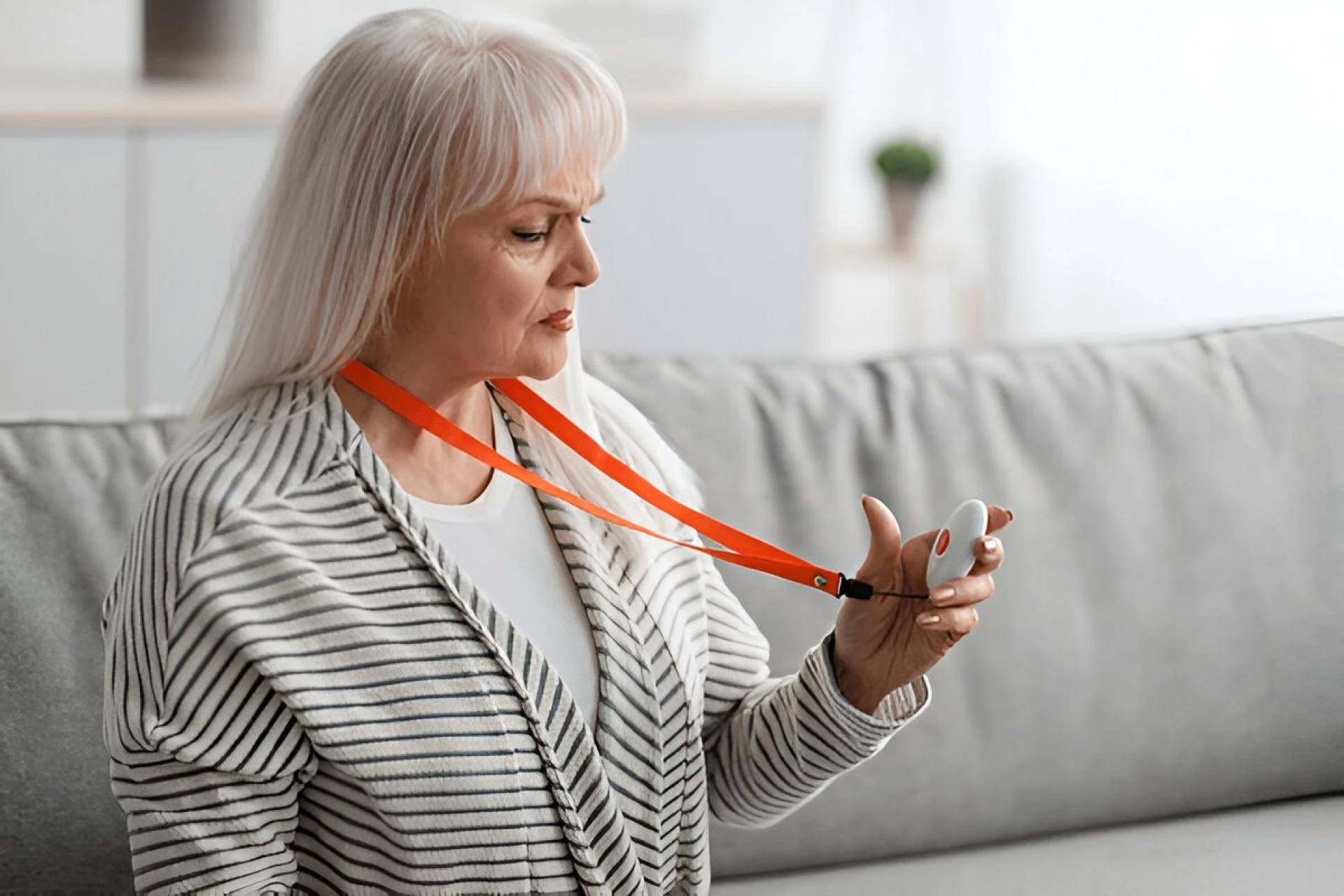
Personal alarm systems, often worn as pendants or wristbands, feature a prominently placed button that, when pressed, triggers a call to a monitoring center or designated emergency contacts. This immediate connection ensures that help is dispatched without delay, significantly improving outcomes in life-threatening situations.
Fall Detection TechnologyFalls are a leading cause of injury among the elderly, often resulting in fractures, head trauma, or prolonged periods of immobility. Many modern personal alarm systems come equipped with automatic fall detection technology, which uses advanced sensors to identify sudden movements or impacts indicative of a fall.
When a fall is detected, the system automatically alerts emergency responders, even if the user is unable to press the button. This feature is particularly valuable for seniors with conditions such as dizziness, Parkinson’s disease, or limited mobility, as it ensures assistance arrives promptly, reducing the risk of complications from untreated injuries.
24/7 Monitoring and SupportPersonal alarm systems provide round-the-clock monitoring, offering seniors and their families reassurance that help is available at any time, day or night. Many systems are connected to professional monitoring centers staffed by trained operators who can assess the situation, contact emergency services, or notify family members as needed.
This continuous support is especially beneficial for seniors who live alone or have chronic medical conditions that may require sudden intervention. Knowing that a trained professional is always on call alleviates anxiety and fosters a greater sense of security.
Promoting Independence & ConfidenceAging often comes with the fear of losing independence, particularly if mobility or health issues arise. Personal alarm systems empower seniors to continue living independently by providing a safety net that mitigates risks. With the assurance that help is readily available, elderly individuals are more likely to engage in daily activities, maintain social connections, and enjoy a higher quality of life.
For family members and caregivers, these systems offer peace of mind, knowing their loved ones can summon assistance whenever needed. This balance of independence and safety is crucial for the emotional and psychological well-being of both seniors and their support networks.
GPS Tracking for Location-Based SafetyFor active seniors who enjoy spending time outdoors, personal alarm systems with GPS tracking provide an added layer of security. These devices can pinpoint the user’s location in real time, making it easier for emergency responders or family members to locate them if they become lost, disoriented, or injured while away from home.
GPS-enabled alarms are particularly useful for individuals with dementia or Alzheimer’s disease, who may wander and become unable to find their way back. Caregivers can monitor their loved one’s whereabouts via smartphone apps, ensuring their safety without imposing unnecessary restrictions on their freedom.
Two-Way Communication for ReassureMany personal alarm systems feature built-in two-way communication, allowing users to speak directly with monitoring personnel or family members during an emergency. This functionality ensures that the nature of the emergency is understood, and appropriate help can be dispatched.
Beyond emergencies, two-way communication can also provide comfort in non-urgent situations. For example, a senior who feels unwell or anxious can use the system to speak with a trained operator who can offer guidance, contact a family member, or simply provide reassurance.
Customizable Alert for Medical ConditionSome advanced personal alarm systems can be integrated with health monitoring devices, such as blood pressure cuffs, glucose meters, or pulse oximeters. These integrations allow the system to send alerts if vital signs fall outside predetermined safe ranges, enabling proactive medical intervention.
For seniors managing chronic conditions like diabetes or heart disease, this feature can be life-saving. Early detection of abnormal readings ensures timely medical attention, potentially preventing complications or hospitalizations.
User-Friendly Design for AccessibilityPersonal alarm systems are designed with simplicity in mind, ensuring they are easy to use for individuals with limited dexterity, vision impairments, or cognitive challenges. Large buttons, clear voice instructions, and minimal setup requirements make these devices accessible to a wide range of users.
Waterproof and durable designs also ensure that the alarms can be worn in the shower or bath, where slips and falls are common. This versatility guarantees that protection is available in all areas of the home.
Cost-Effective Alternative to Assisted LivingFor many families, personal alarm systems offer a cost-effective solution to extend independent living while avoiding the high expenses of assisted living facilities or in-home caregivers. With a one-time purchase or affordable monthly subscription, these systems provide comprehensive safety coverage without the need for drastic lifestyle changes.
Insurance providers and Medicare Advantage plans may even cover part or all of the cost of personal alarm systems, recognizing their role in preventing costly emergency room visits or long-term care needs.
Strengthening Family and Caregiver ConnectionsPersonal alarm systems often include features that keep family members and caregivers informed about their loved one’s well-being. Mobile apps and online portals allow real-time updates on emergency alerts, location data, and system usage.
This connectivity fosters stronger relationships between seniors and their support networks, as caregivers can check in discreetly without being intrusive. It also reduces the burden on family members who may otherwise worry constantly about their loved one’s safety.
ConclusionPersonal alarm systems are transformative tools that significantly enhance the safety and independence of elderly individuals. By providing immediate access to emergency assistance, advanced fall detection, GPS tracking, and health monitoring, these devices address the unique challenges faced by seniors and their caregivers.
Beyond physical safety, personal alarms promote emotional well-being by empowering seniors to live confidently while maintaining their autonomy. For families, these systems offer invaluable peace of mind, knowing their loved ones are protected around the clock.