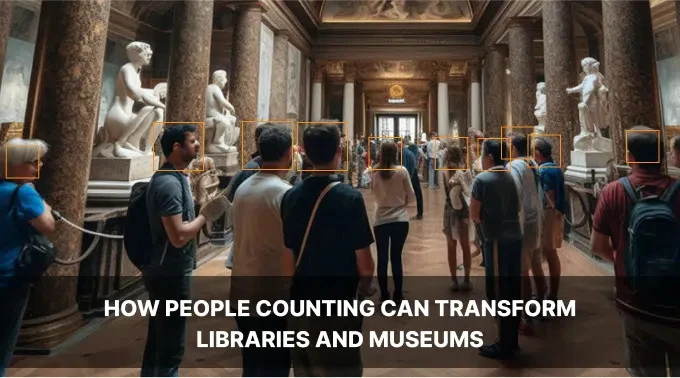
Museums and public libraries are not just repositories of knowledge, they are vibrant community hubs that host thousands of visitors every week. With digital transformation sweeping across public spaces, one technology that’s quietly revolutionizing the way these institutions operate is People Counting Software. Far beyond simply tracking how many people walk through the door, modern people counting systems provide deep insights into visitor behavior, flow, preferences, and space utilisation, ultimately enhancing visitor engagement and experience.
In this article, we explore how people counting software is helping museums and libraries become more interactive, efficient, and visitor-centric in the digital age.
Understanding People Counting Software
People Counting Software refers to a digital system that uses sensors, cameras, and AI-driven analytics to track and analyze the number of people entering, exiting, or occupying a space in real time. These systems can differentiate between individuals, count groups accurately, and even measure dwell time and movement paths within a facility.
Key components may include:
- Infrared sensors
- Overhead stereo vision cameras
- Computer vision and AI analytics
- Cloud-based dashboards
- Integration with visitor management or facility systems
Why Museums and Libraries Need People Counting Technology
Museums and libraries face unique challenges:
- High foot traffic during peak hours or special events
- The need to manage crowd density and maintain safety
- Limited staffing and funding
- Pressure to justify operations and demonstrate impact to stakeholders
By deploying people counting software, these institutions can gain actionable insights into visitor behavior, improve operational decisions, and create a more personalized, engaging experience.
Key Ways People Counting Software Enhances Visitor Engagement
1. Understanding Visitor Behavior and Preferences
People counting software doesn't just track how many visitors enter a building—it can analyze:
- Which exhibits or sections receive the most attention
- Average time spent in different zones
- Flow of movement from one area to another
Museums can use this data to:
- Identify popular and underperforming exhibits
- Design more intuitive visitor paths
- Rotate or redesign exhibitions based on engagement trends
Libraries can analyze which sections (e.g., fiction, children’s, reference) attract the most readers or how long visitors spend in reading areas. This information can inform future investments and layout decisions.
2. Real-Time Crowd Management for Comfort and Safety
Overcrowding diminishes visitor experience, especially in confined areas or during events. Real-time people counting enables:
- Live occupancy tracking
- Automatic alerts when capacity thresholds are crossed
- Staff notifications for intervention during congestion
This improves safety, prevents bottlenecks, and ensures visitors enjoy a smooth, stress-free experience.
For example, a museum may use dynamic signage to guide visitors to less crowded exhibits, or a library might redirect traffic from a full study room to available spaces in real-time.
3. Personalizing Visitor Experiences
With integrated analytics, institutions can identify:
- Peak visiting hours
- Frequent visitor demographics
- Engagement trends during special exhibits or events
This allows staff to:
- Tailor marketing efforts (e.g., family-friendly events on weekends)
- Schedule staff based on peak periods
- Customize digital signage and recommendations
Museums can enhance tours using augmented reality (AR) triggered by location data, while libraries can guide users to relevant reading areas or workshops using real-time wayfinding tools.
4. Optimizing Space Utilization
Libraries and museums are expansive but often underutilized in certain areas. People counting helps identify:
- Unused zones or furniture
- Overcrowded areas needing redesign
- Visitor drop-off points (where engagement wanes)
This data-driven space planning leads to more functional and inviting environments, maximizing the use of every square foot.
For example:
- A library may add study pods in high-dwell areas
- A museum may relocate seating or interactive kiosks to encourage longer visits
5. Improved Event Planning and Execution
People counting tools can track attendance and traffic during:
- Educational workshops
- Guest lectures
- Seasonal exhibitions
- Book launches or readings
Post-event analytics help teams:
- Understand which events drive maximum footfall
- Plan future activities based on interest
- Adjust logistics such as seating, security, and signage
With this insight, institutions can offer better experiences and build long-term visitor loyalty.
6. Justifying Funding and Reporting Impact
Public institutions often rely on grants and government funding, requiring accurate reporting of:
- Visitor numbers
- Usage trends
- Community engagement
People counting software provides verifiable, automated data that strengthens funding proposals and annual reports. Stakeholders appreciate data-backed metrics that demonstrate value and reach.
This transparency builds trust with donors, boards, and the public—helping secure future investments.
7. Energy and Facility Cost Management
By understanding occupancy patterns, museums and libraries can:
- Automate lighting and HVAC systems based on usage
- Schedule cleaning or maintenance more efficiently
- Reduce utility costs in unused areas
This supports sustainability goals and lowers operational overhead, allowing more resources to be redirected toward visitor services.
Conclusion
In a time when experience is everything, museums and public libraries must evolve to meet the expectations of a more connected, data-savvy audience. People Counting Software is more than a footfall tracker—it’s a strategic asset that empowers institutions to enhance visitor satisfaction, optimize operations, and build data-backed programs that resonate with their communities.
Whether you aim to improve exhibit engagement, streamline crowd control, or gain insights for future planning, people counting software for libraries and museums delivers the intelligence you need to turn every visitor interaction into a meaningful experience.
Want to learn how to implement a people counting solution in your museum or library?
Contact us today to explore custom solutions that drive real-world engagement and operational excellence.