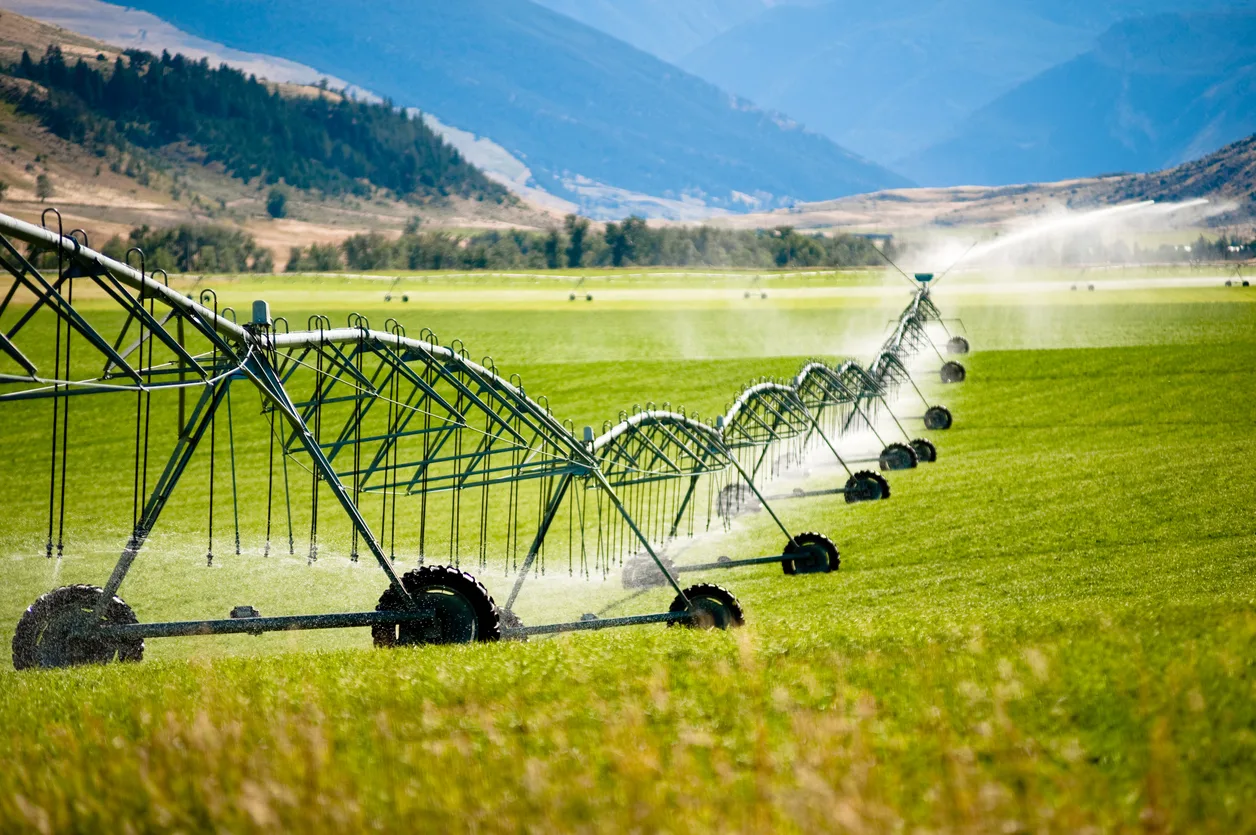
A professionally installed irrigation system helps homeowners and businesses across Ascension Parish, LA, keep lawns, gardens, and landscape plants watered evenly. All Seasons Lawn Care & Landscaping helps property owners choose an irrigation system in Ascension Parish, LA, based on their landscape layout, plant needs, and local weather conditions.
This guide explains how sprinkler installation, drip irrigation, and proper watering schedules help maintain healthy outdoor spaces. It also covers common irrigation problems, seasonal maintenance, available system options, and when to seek professional assistance.
Why Professional Irrigation Installation Matters in Ascension Parish
Ascension Parish experiences hot summers, humid conditions, and periods of heavy rainfall. However, rainfall does not always reach plant roots effectively. According to the LSU AgCenter's guide to landscape irrigation in Louisiana, heavy rain can run off before the soil absorbs enough water.
Professional planning helps address these conditions while avoiding unnecessary watering.
- More even coverage: Properly positioned sprinkler heads help reduce dry patches and prevent excessive watering in certain areas.
- Better plant care: Separate watering zones let lawns, shrubs, and flower beds receive different amounts of water.
- Less wasted water: Rain sensors and suitable controllers can stop unnecessary irrigation after rainfall.
- Convenient lawn care: Automatic controls reduce the need to water manually, especially during hot, dry periods.
Irrigation Options for Different Properties
The best irrigation system depends on the size of your yard, the plants you grow, available water pressure, and how quickly your soil absorbs water. Comparing the main options helps you choose a system that fits your property's needs.

A combination of sprinklers and drip lines may work best for properties with both large lawns and planted beds. The layout should match the landscape rather than force every area to use the same watering method.

How Our Irrigation Services Help Solve Common Problems
A poorly adjusted system can leave one part of a lawn dry while another stays saturated. Professional assessment helps identify the cause before unnecessary parts are replaced.
Common problems include:
- Brown patches in the lawn: Clogged nozzles, broken heads, poor coverage, or insufficient watering time may leave some areas dry.
- Standing water and muddy ground: Excessive irrigation, slow-draining soil, or drainage problems can cause water to collect around grass and planting beds.
- Unexpected water bills: Underground leaks, damaged pipes, and faulty valves may allow water to run when it should be off.
- Overwatered flower beds: Sprinklers may apply more water than plants need, especially after storms. Drip irrigation can provide more targeted watering.
- Uneven sprinkler coverage: Incorrect spacing or mismatched sprinkler heads may create dry areas between spray patterns.
Our approach should begin with an assessment of the property and the problem. Depending on the system's condition and the work required, the appropriate solution may involve new sprinkler installation, irrigation adjustments, repairs, or maintenance.
How Louisiana Weather Affects Irrigation
Louisiana's changing weather makes seasonal watering adjustments important. Heavy rain may supply enough moisture for several days, while summer heat can increase the amount of water plants lose.
The right installation and schedule help property owners respond to these changes.
Best Time to Install an Irrigation System
Spring and fall can offer comfortable conditions for outdoor installation and landscape work. However, irrigation systems can be installed at other times when soil conditions, weather, and site access allow. Extremely wet ground may complicate digging and disturb the lawn. During very hot weather, newly planted grass and plants may need closer attention while their roots establish.
Watering During Hot and Rainy Periods
The LSU AgCenter's watering tips recommend watering in the early morning, when evaporation is generally lower. A rain sensor can also prevent the system from running unnecessarily after rainfall. Check your lawn for dry, folded grass blades and look for pooling water before changing the schedule. Soil type, sunlight, grass variety, and recent rainfall all affect how often watering is needed.
Pros and Cons of Professional Irrigation Systems
Automatic irrigation offers convenience and better control, but the equipment still needs attention. Understanding the trade-offs helps you plan for long-term ownership.
Advantages
- Automatic watering saves time and supports more consistent coverage across larger lawns.
- Separate zones allow different watering schedules for turf, shrubs, and garden beds.
- Smart controllers and rain sensors can reduce unnecessary watering when correctly installed and maintained.
Considerations
- Installation requires an upfront investment that varies with property size, equipment, and site conditions.
- Sprinkler heads, valves, pipes, and drip emitters can wear out, leak, or become clogged.
- Poor programming or excessive watering can waste water and contribute to soggy soil.
What to Expect From Professional Installation
A well-planned system starts with the property's actual needs, not simply the number of sprinkler heads required. Careful planning also helps limit disruption to existing grass, trees, planting beds, and walkways.
A typical installation process includes:
- Property assessment: Review the lawn layout, planting areas, water supply, soil drainage, and existing landscaping.
- System design: Plan sprinkler coverage, drip lines, watering zones, and controller placement around the property.
- Equipment installation: Install the appropriate pipes, valves, sprinkler heads, emitters, and controls.
- System testing: Check for leaks, blocked emitters, uneven spray, and pressure problems. Adjust coverage as needed.
- Owner guidance: Explain how to operate the controller, adjust watering times, and recognize signs of overwatering or poor coverage.
For work involving excavation, utility lines, or plumbing connections, confirm the applicable requirements before installation. Louisiana property owners can use Louisiana 811 to arrange utility marking before digging.
Why Choose All Seasons Lawn Care & Landscaping?
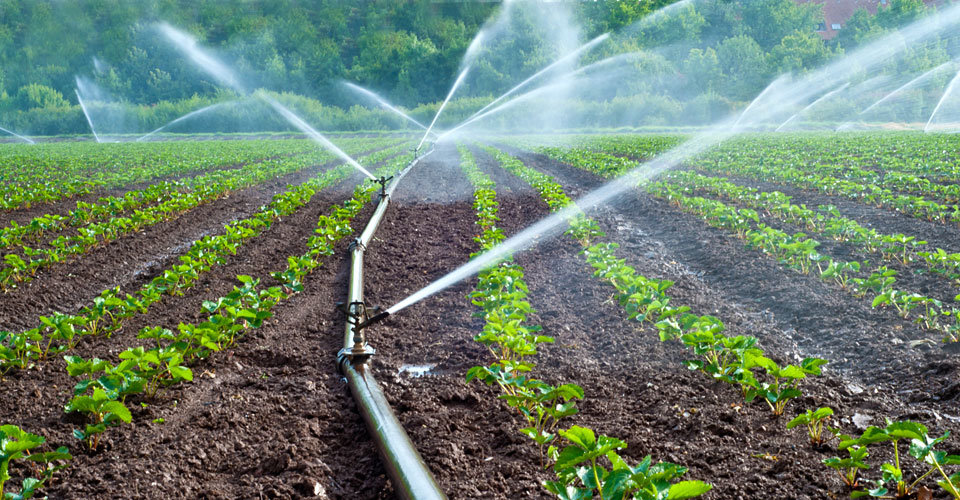
Every property has different watering needs. A lawn with full sun may require a different schedule from a shaded yard, while a garden bed may benefit from drip irrigation rather than overhead sprinklers.
All Seasons Lawn Care & Landscaping focuses on practical outdoor solutions that support attractive, functional landscapes. When planning your irrigation project, discuss the following with the team:
- Your lawn's size, plant types, and areas that regularly dry out.
- Water pressure, drainage concerns, and any existing irrigation equipment.
- Options for sprinkler installation, drip irrigation, and future maintenance.
- A clear estimate covering the proposed work, equipment, and project requirements.
Property owners looking for irrigation services in Ascension Parish or nearby Baton Rouge can contact the company to discuss their project and confirm service availability.
Frequently Asked Questions
These answers address common questions about irrigation installation, system selection, and lawn watering in southern Louisiana.
How Much Does Irrigation System Installation Cost in Ascension Parish, LA?
The cost depends on lawn size, system design, water supply, equipment, and installation complexity. Request a property-specific estimate rather than relying on a general price per square foot.
Is Drip Irrigation Better Than Sprinklers?
Neither option is best for every area. Sprinklers are generally suitable for lawns, while drip irrigation works well for flower beds, shrubs, and other planted areas that benefit from water delivered near their roots.
How Often Should an Irrigation System Be Maintained?
Inspect the system at the start of the growing season and check it regularly throughout the year. Look for broken heads, leaks, clogged emitters, uneven coverage, and watering schedules that no longer match the weather.
When Is the Best Time to Water a Lawn in Louisiana?
Early morning is generally best because cooler temperatures and lower evaporation help water reach the soil. Reduce or skip irrigation when rainfall provides sufficient moisture.
Does Every Property Need an Automatic Sprinkler System?
No. Small yards, drought-tolerant landscapes, and gardens that receive adequate rainfall may need little supplemental irrigation. A professional assessment can help determine whether an automatic system is worthwhile.
Is R-Value Relevant to Irrigation System Installation?
No. R-value measures thermal resistance and is used mainly when discussing insulation. Irrigation planning instead focuses on water pressure, flow rate, coverage, soil moisture, drainage, and plant water needs.
Schedule Irrigation Services in Ascension Parish, LA
A properly planned irrigation system can make lawn care easier, improve watering coverage, and help prevent unnecessary water waste. Choosing suitable equipment and adjusting the schedule to Louisiana's weather are key parts of maintaining a functional landscape.
Contact All Seasons Lawn Care & Landscaping to discuss your irrigation project and request information about available services.
- Phone: (225) 276-8658
- Email: [email protected]
- Location: View the business on Google Maps
Author & Reviewer
Author: Aaron Ulery
Aaron Ulery is the owner of All Seasons Lawn Care & Landscaping. With 20 years of experience transforming outdoor spaces, he focuses on thoughtful landscape design, quality materials, and skilled craftsmanship to create attractive outdoor environments with lasting value.
Reviewer: Sophie Williams
Sophie Williams reviewed this article and contributed seven years of field experience to help keep the information practical and relevant to property owners and everyday landscaping needs.