The Importance of Clear Workplace Processes
Clear processes provide employees with a common understanding of how routine activities should be handled. They can also reduce repeated questions and unnecessary delays.
Some practical workplace practices include:
- Keeping records accurate and organized
- Providing clear instructions
- Defining responsibilities between teams
- Maintaining accessible information
- Reviewing procedures regularly
- Keeping entrances and common areas organized
- Encouraging timely communication
When these practices are followed consistently, daily activities can become more predictable.
Managing Visitor Activities
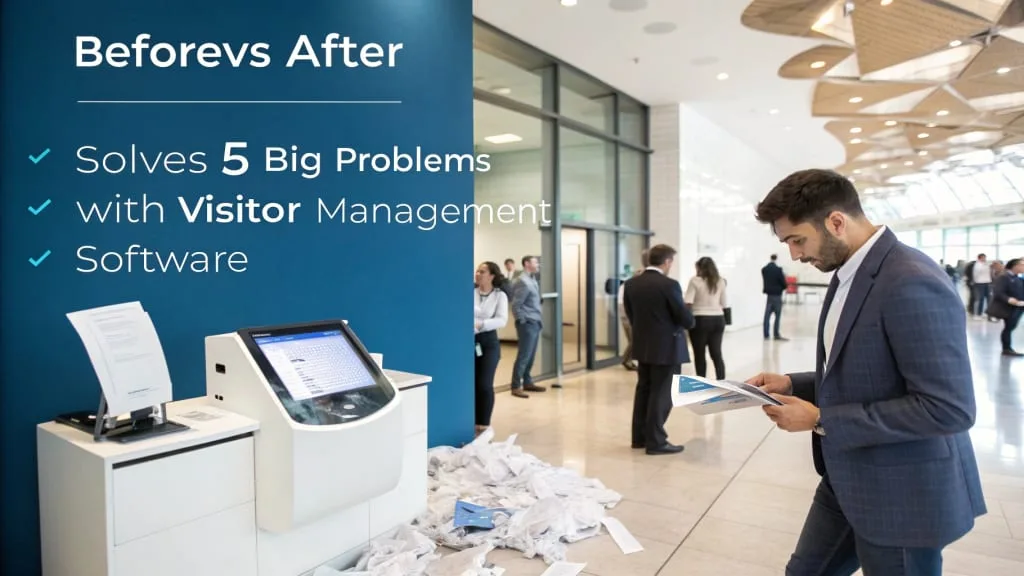
Visitors may enter a workplace for meetings, interviews, deliveries, maintenance, or other purposes. A straightforward arrival process can help visitors understand what they need to do and can make it easier for employees to coordinate their visits.
A visitor management system can support an organized process for visitor registration and help maintain relevant visit records.
The visitor experience should also remain simple and welcoming. Clear signage, helpful communication, and an appropriate waiting area can make the process more comfortable.
Understanding Labour Management
Workplaces that rely on contract workers may have additional coordination requirements. Different workers can be assigned to different areas or tasks, making organized information important for routine administration.
A labour management system can support structured processes for managing information related to labour activities.
Keeping responsibilities and records organized can help teams communicate more effectively and understand their daily requirements.
Reviewing Existing Routines
Workplace procedures can become outdated as organizations change. Regular reviews can help identify areas where existing practices may no longer be suitable.
A review can consider:
- Are employees clear about their responsibilities?
- Is important information easy to access?
- Are visitors given understandable instructions?
- Are records maintained consistently?
- Are there unnecessary steps that could be simplified?
These questions can help organizations identify practical improvements.
Creating a Better Workplace Environment
Effective organization comes from consistent everyday practices. Clear communication, accessible information, structured procedures, and thoughtful coordination can help create an environment that is easier for employees and visitors to navigate.
A positive workplace environment develops through many small and consistent actions. Clear communication, organized records, simple procedures, and regular awareness can help employees and visitors navigate their activities more comfortably.
The goal is not to create a complicated set of rules. It is to establish practical routines that people can understand and follow. Over time, these habits can contribute to a workplace that is more organized, predictable, and easier to manage.
Small improvements can have value when they are maintained over time. By paying attention to everyday processes and reviewing them regularly, organizations can build a workplace that is more organized, practical, and comfortable for everyone.