
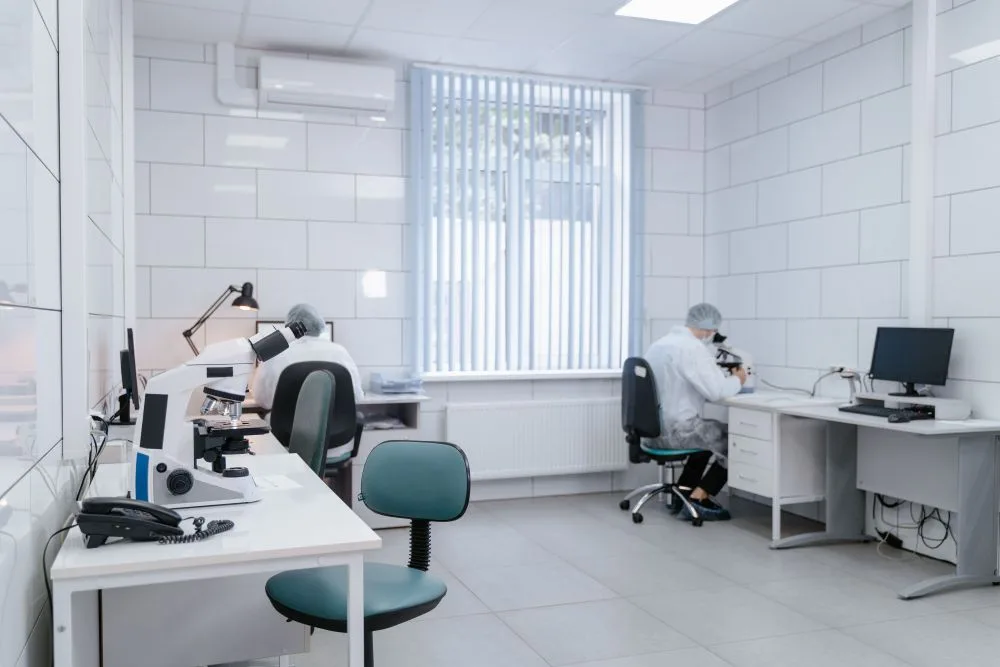
Maintaining a clean environment is essential in optical laboratories, where precision and product quality depend on controlling airborne contaminants. Processes such as lens cutting, grinding, polishing, edging, and coating can generate fine dust particles that may interfere with production if not properly managed. To maintain high standards, many laboratories rely on a combination of dust collection and air filtration systems.
While each system serves a unique purpose, they work together to improve air quality, protect equipment, and support the accurate manufacturing of optical products. Understanding how these systems complement one another can help optical labs create safer and more efficient workplaces.
Why Air Quality Is Important in Optical Labs
Optical products require an exceptional level of precision. Even microscopic particles can settle on lenses and other optical components, potentially affecting their appearance and performance. Airborne contaminants can also interfere with coating applications and inspection processes, leading to defects or production delays.
Beyond product quality, workplace air quality has a direct impact on employees. Technicians often spend long hours performing detailed tasks that require concentration and accuracy. Cleaner air helps create a more comfortable work environment while supporting productivity and operational consistency.
For these reasons, effective contaminant control is a priority in modern optical laboratories.
The Role of Dust Collection Systems
Dust collection systems are designed to capture particles at or near their source. During lens manufacturing and finishing operations, dust can be generated by cutting, edging, grinding, and polishing equipment. If left uncontrolled, these particles can spread throughout the facility.
Dust collectors use extraction systems to pull airborne debris away from workstations before it enters the surrounding environment. By removing contaminants at the source, these systems help reduce the overall volume of dust circulating within the laboratory.
Source capture is often the first line of defense against contamination and plays a major role in maintaining cleaner production areas.
How Air Filtration Systems Support Dust Control
While dust collectors remove particles generated during specific processes, filtration systems help clean the remaining air throughout the facility. An effective optical lab air filtration system continuously removes fine airborne contaminants that may escape source collection equipment or enter through normal facility operations.
Air filtration units work by drawing contaminated air through specialized filters that capture dust, debris, and other microscopic particles. The cleaned air is then recirculated throughout the workspace.
This continuous filtration process helps maintain consistently cleaner indoor air and provides an additional layer of protection against contamination.
Working Together for Better Results
Dust collection and air filtration are most effective when used together. Dust collectors focus on removing contaminants at their point of origin, preventing large amounts of debris from spreading into the workplace. Air filtration systems then address the smaller particles that remain suspended in the air.
This combination creates a comprehensive approach to air quality management. Dust collection reduces the source of contamination, while air filtration improves overall environmental cleanliness throughout the laboratory.
By controlling both localized and facility-wide airborne particles, optical labs can achieve higher levels of environmental control than either system could provide alone.
Benefits for Product Quality
One of the greatest advantages of combining dust collection and air filtration is improved product quality. Lenses and optical components are highly sensitive to contamination during production and inspection.
Cleaner air helps minimize the risk of particles settling on surfaces during manufacturing, coating, or packaging processes. This can reduce defects, support stricter quality standards, and decrease the need for costly rework.
Consistent air quality also contributes to more reliable inspection results by reducing interference from airborne contaminants.
Protecting Equipment and Employees
Airborne dust can affect machinery as well as products. Over time, particles may accumulate on sensitive equipment, increasing maintenance requirements and potentially impacting performance.
Effective contaminant control helps keep equipment cleaner, supporting longer service life and more reliable operation. Employees also benefit from improved indoor air quality, which contributes to a cleaner and more comfortable workplace.
A well-maintained environment can promote productivity while supporting a facility's commitment to quality and safety.
Supporting Long-Term Laboratory Efficiency
Investing in both dust collection and air filtration can deliver long-term operational benefits. Cleaner facilities often experience fewer contamination-related disruptions, lower maintenance demands, and improved production consistency.
Modern systems are designed for continuous operation and can be integrated into existing laboratory workflows. With routine maintenance and proper filter replacement, these solutions provide dependable environmental control that supports ongoing growth and operational excellence.
Conclusion
Dust collection and air filtration systems play complementary roles in maintaining clean optical laboratory environments. By capturing contaminants at their source and continuously filtering airborne particles, these systems work together to improve air quality, protect equipment, and support product quality. For optical laboratories focused on precision manufacturing, combining these technologies is an effective strategy for creating cleaner, safer, and more efficient operations.