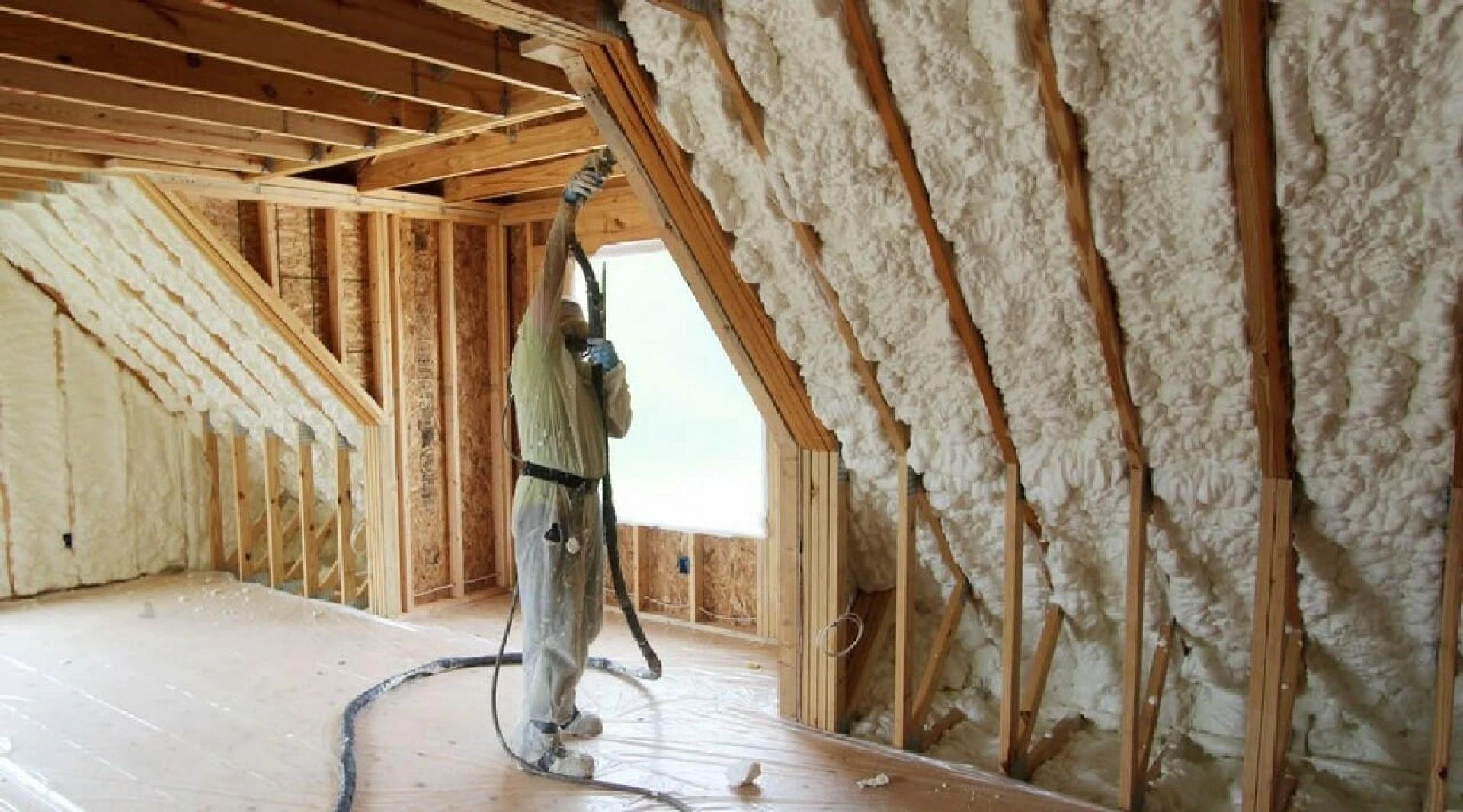
Drafty bonus rooms often lose heat in winter and gain unwanted warmth in summer, making them uncomfortable and energy inefficient. Open-Cell Spray Foam Insulation services can resolve these issues quickly. By filling gaps and sealing air leaks, they improve comfort, reduce energy costs, and create a consistent indoor temperature throughout the space.
Homeowners notice immediate changes after installation, including quieter rooms, fewer drafts, and enhanced overall efficiency. Open-Cell Spray Foam Insulation experts provide solutions tailored to the room’s layout, ensuring complete coverage even in tight corners or sloped ceilings.
This article explores how these services upgrade bonus rooms, offering practical guidance for homeowners and insight into factors to consider before choosing a solution. Insights are based on industry experience and best practices.
Why Bonus Rooms Struggle With Comfort
Bonus rooms often sit above garages, attics, or areas with thin walls. Their design exposes them to external temperature swings. Standard insulation methods frequently leave gaps, resulting in uneven heating or cooling.
Common Issues in Drafty Rooms
- Air leaks around windows, doors, and recessed lighting
- Poor insulation in attic floors or sloped ceilings
- Temperature inconsistencies compared to the rest of the home
How Open-Cell Spray Foam Insulation services Help
These services seal cracks, expand to fill cavities, and adhere tightly to surfaces. They not only insulate but also reduce air movement, improving energy efficiency. Homeowners see reductions in heating and cooling bills of up to 20% in some cases.
Benefits of Open-Cell Spray Foam Insulation
Investing in Open-Cell Spray Foam Insulation brings long-term advantages beyond comfort. Experts report that it is especially effective for homes in regions with variable climates.
Thermal Performance
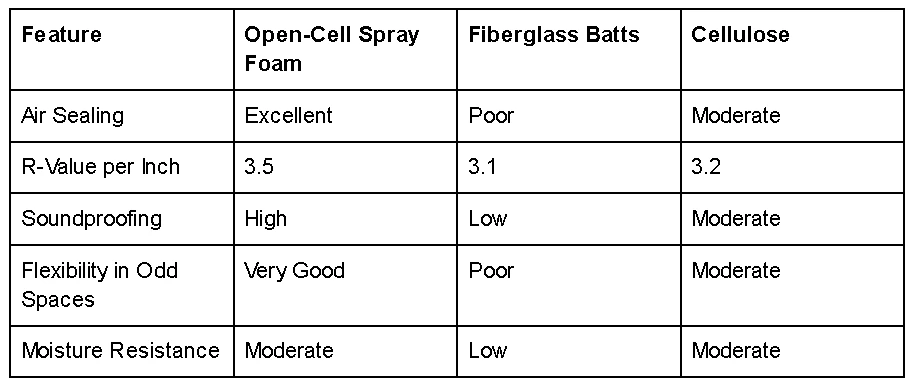
Open-cell foam has an R-value suitable for interior walls and ceilings, allowing for gradual heat transfer and steady room temperatures.
Noise Reduction
The material absorbs sound, reducing echoes and improving the quality of home offices, playrooms, or entertainment spaces.
Moisture Management
While not a vapor barrier, open-cell foam allows surfaces to breathe, preventing trapped moisture that could lead to mold growth.
Table Comparing Insulation Options
Installation Process Explained
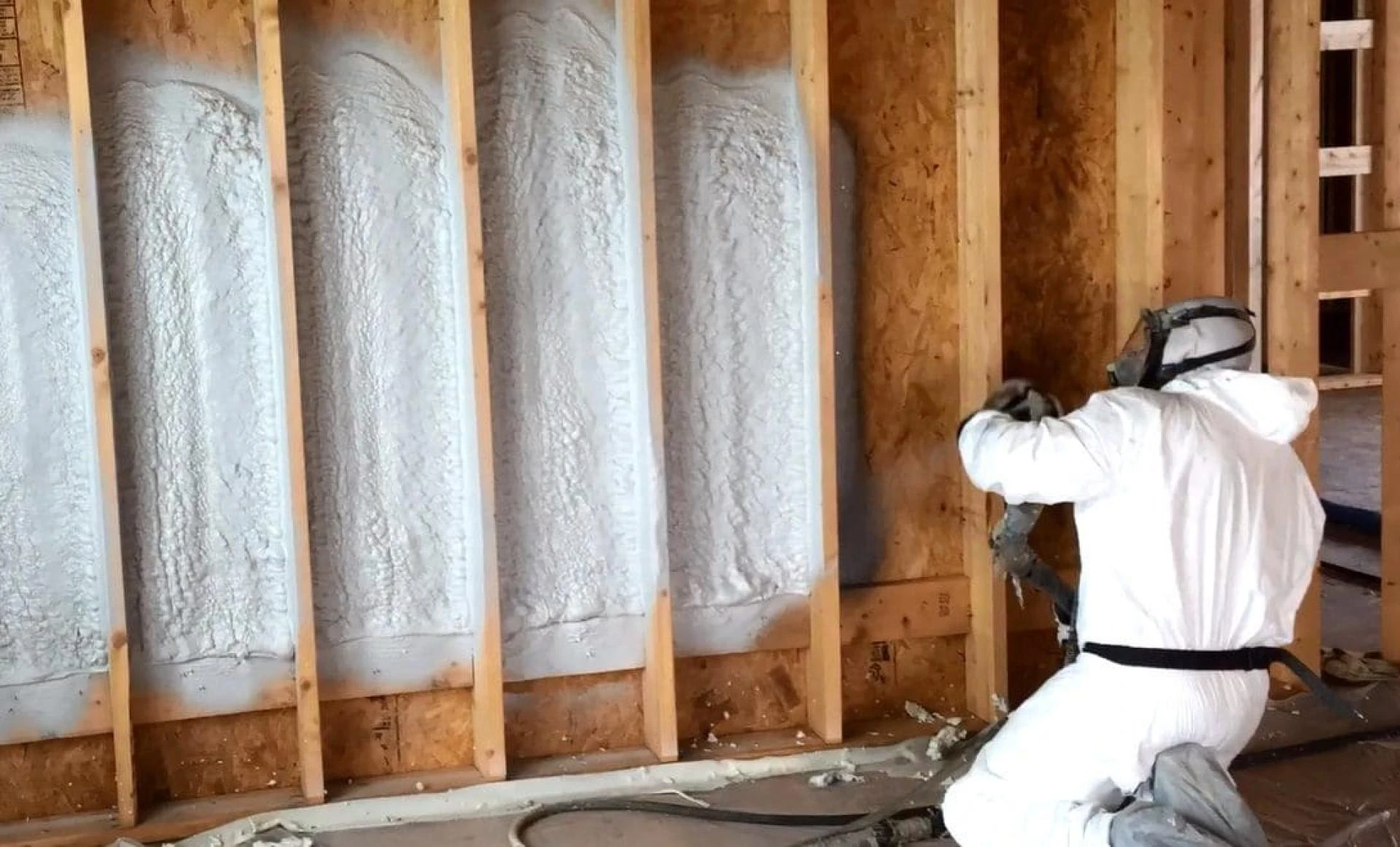
Open-Cell Spray Foam Insulation experts follow precise steps to ensure complete coverage and long-lasting results.
Preparation
The room is cleared of obstacles, and surfaces are cleaned to improve adhesion. Proper ventilation is set up to ensure safety during application.
Application
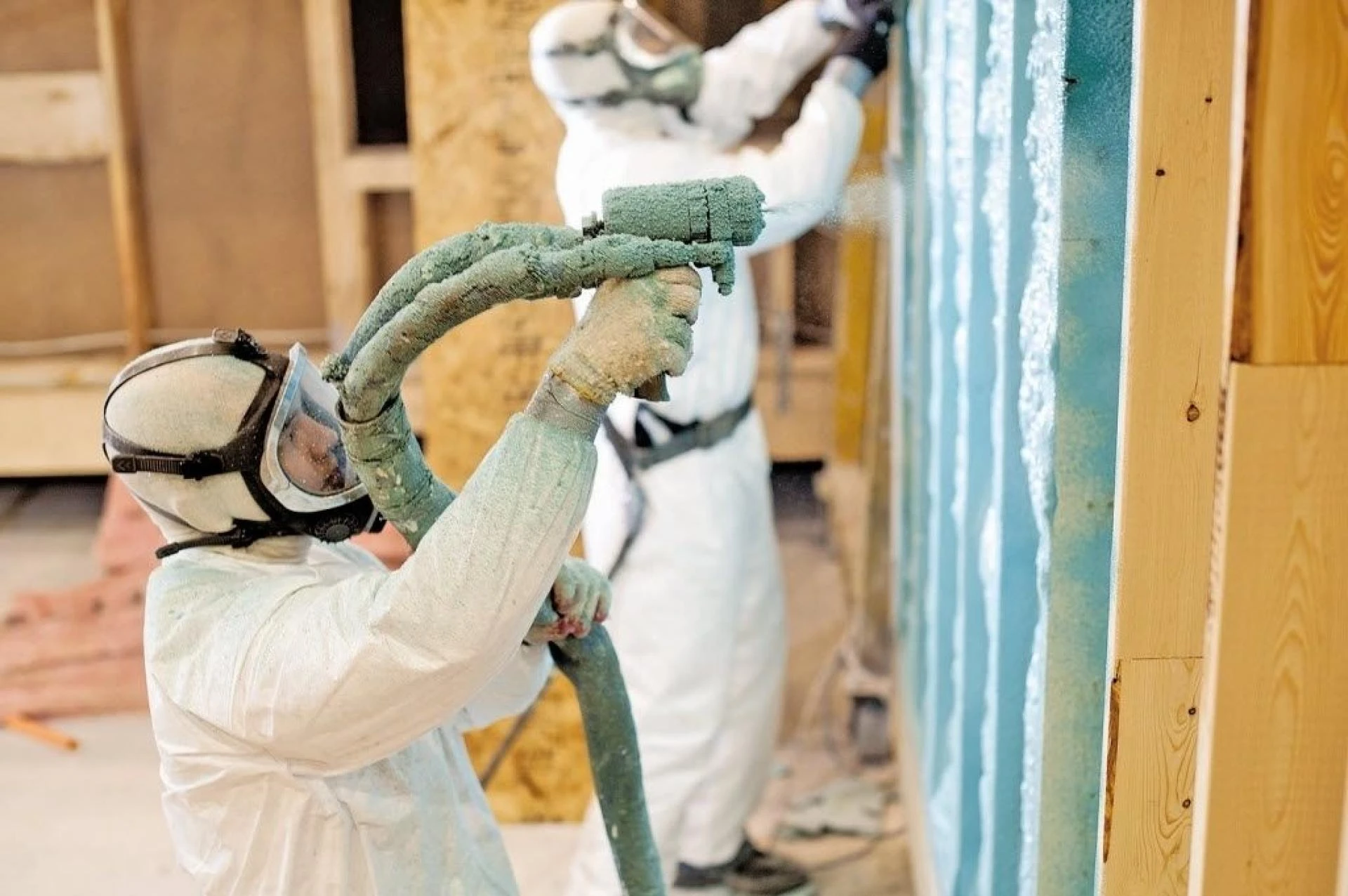
Spray foam is applied in layers, expanding to fill cavities and cracks. Experts monitor thickness to maintain thermal performance while avoiding over-application.
Finishing
After curing, any excess foam is trimmed, and the surface can be finished with drywall, paint, or other decorative elements.
Bonus Tip
Scheduling installation during mild weather improves curing times and reduces potential expansion issues caused by extreme temperatures.
Things to Consider Before Making a Decision
Choosing the right service involves evaluating multiple factors to ensure long-term satisfaction.
- Room Layout: Sloped ceilings and tight corners may require specialized application techniques.
- Existing Insulation: Removing old insulation might be necessary for optimal results.
- Climate Factors: Open-cell foam performs best in moderate climates but can be paired with other solutions for extreme heat or cold.
- Budget: Costs vary based on room size, thickness required, and complexity of access.
Bonus Tip
Ask providers about their experience with similar projects and request references to confirm quality and consistency.
Regional Guidance for Desert Climates
In regions like Nevada, where temperatures fluctuate significantly between day and night, Open-Cell Spray Foam Insulation company focuses on sealing attic and wall gaps. This prevents cooling loss in hot summers while retaining heat during rare cold snaps. Experts recommend combining insulation with attic ventilation to maintain overall efficiency.
Conclusion
Drafty bonus rooms can become comfortable, energy-efficient spaces with Open-Cell Spray Foam Insulation services. They provide consistent temperature control, reduce noise, and manage moisture effectively. Homeowners should evaluate room layout, existing insulation, climate, and budget before choosing a solution. Consulting experienced providers ensures optimal results and long-term satisfaction.
Take Action to Improve Your Bonus Room
Homeowners seeking professional assistance can contact Supreme Spray Foam LV for guidance and installation. Their team of Open-Cell Spray Foam Insulation experts can evaluate room needs, provide detailed recommendations, and implement solutions safely. For more information, email [email protected] or call (702) 904-9895.
Questions People Ask About Open-Cell Spray Foam Insulation
How long does it take to install in a bonus room?
Installation typically takes one day for standard-sized rooms. Complex layouts may extend the timeline slightly.
Will the foam shrink over time?
Properly installed open-cell foam maintains its shape. Minor shrinkage can occur if applied too thinly.
Can it be painted or covered?
Yes. After curing, the foam can be trimmed and painted or covered with standard drywall finishes.
Is open-cell foam safe for homes?
Yes. When applied by trained Open-Cell Spray Foam Insulation experts, it meets safety and building standards and does not release harmful fumes once cured.
How does it affect energy bills?
Homeowners generally see a 15-20% reduction in heating and cooling costs due to better air sealing and thermal consistency.
Reviewer: Michael Carter reviewed this article using insight gained over 12 years in the spray foam business. His feedback focused on helping contractors reach new customers without overcomplicating their message.