
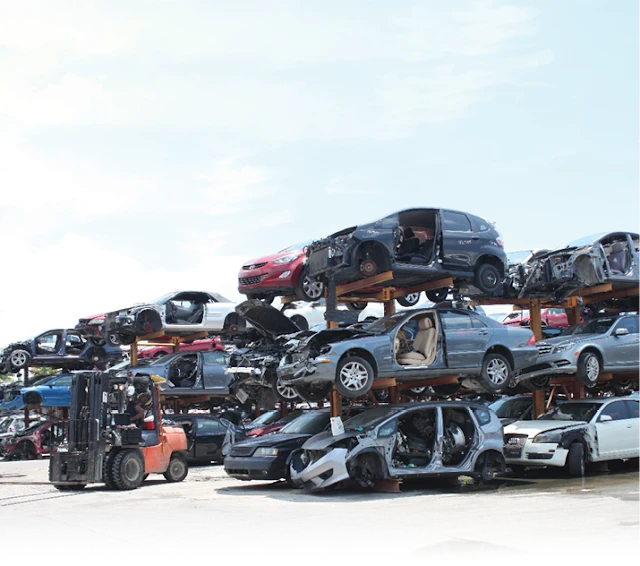
Drive through any Adelaide suburb and you'll notice them—weathered utes stationed behind homes, commercial trucks resting in business yards, and farm vehicles that haven't operated in years. Most perceive these ageing machines as liabilities or costly burdens, destined for scrapyards or indefinite storage. Yet beneath the rust and worn exterior lies something remarkable: genuine value that's reshaping how South Australians view their old vehicles. The emergence of services like cash for trucks Adelaide has illuminated a truth many overlooked—these dormant vehicles represent tangible assets waiting to be converted into immediate financial return. What was once considered an expensive disposal problem has evolved into an opportunity that's benefiting vehicle owners, supporting local industry, and contributing to environmental sustainability across the region.
Why Old Trucks Hold Unexpected Worth
Discovering Hidden Value
Adelaide's connection with trucks spans generations. From agricultural regions surrounding the city to industrial zones, trucks have served as essential workhorses. Many have surpassed their operational lifespan but remain stored rather than appropriately processed.
The transformation centres on recognising intrinsic value. Components once deemed worthless now attract buyers. Metal previously considered scrap commands respectable prices. Even non-functional trucks contain resources worthy of extraction.
This evolution stems from elevated metal prices, increased demand for affordable replacement parts, and heightened environmental consciousness. Collectively, these factors have repositioned Adelaide's ageing truck inventory as a valuable resource.
Understanding the True Asset Value
Substantial Metal Content
A standard light commercial truck comprises approximately 1,200 to 1,800 kilograms of steel. Heavier variants naturally contain considerably more. At prevailing scrap metal rates, this represents meaningful financial return.
Steel represents merely one component. Aluminium features prominently in engine blocks, radiators, and wheels. Copper wiring, whilst present in modest quantities, maintains substantial worth. A single vehicle may yield several kilograms valued at hundreds of dollars.
The Secondary Parts Market
Original truck components command premium prices—when available. Discontinued models present particular sourcing challenges. Consequently, a robust market for quality used parts has flourished.
Your dormant truck potentially houses alternators, starters, pumps, or transmission components that mechanics actively seek. Body panels equally serve those restoring similar models. An undamaged door or intact tailgate delivers considerable savings compared to purchasing new replacements.
The Professional Processing Journey
Streamlined Assessment and Collection
The process commences with professional evaluation. Specialists assess condition, model specifications, and completeness. This establishes fair market value—intact vehicles naturally command superior offers.
Collection typically proceeds within 48 hours. Licensed services manage all logistical arrangements. Upon facility arrival, systematic dismantling begins according to established protocols.
Initial steps involve comprehensive fluid extraction—engine oil, transmission fluid, coolant, and brake fluid. These materials require careful handling to ensure environmental protection.
Strategic Recovery and Recycling
Technicians identify serviceable components before compression. Items meeting quality standards undergo testing and cataloguing for resale. This approach extends component utility whilst providing cost-effective repair solutions.
Catalytic converters warrant particular attention given their precious metal composition. Individual converters from commercial trucks may yield several hundred dollars. Batteries proceed to specialised facilities for lead and plastic recovery.
Following component removal, remaining structures undergo hydraulic compression. Industrial shredders reduce these into manageable fragments. Advanced sorting technology then separates ferrous and non-ferrous metals. This refined material supplies manufacturing operations, completing the circular economy cycle.
Why Adelaide Residents Choose Action
Financial and Spatial Considerations
Contemporary economic pressures affect households universally. Dormant trucks occupying valuable property represent convertible assets addressing immediate needs. Ongoing registration and insurance expenses compound financial strain unnecessarily.
Modern residential developments feature reduced property dimensions. Commercial vehicles consume substantial space better utilised for functional purposes. Vehicle removal simultaneously generates income whilst reclaiming usable area.
Environmental Responsibility
Growing awareness regarding environmental stewardship influences disposal decisions. Contemporary vehicle owners increasingly prioritise ecological responsibility, recognising proper recycling prevents contamination whilst conserving finite resources.
This consciousness encourages responsible end-of-life vehicle management. Communities understand that abandonment creates enduring environmental consequences.
Addressing Common Misconceptions
Value Assumptions
Vehicle age rarely negates inherent worth. Decades-old models retain recyclable metal content and potentially sought-after components. Discontinued variants occasionally command premium interest due to parts scarcity.
Process Complexity
Contemporary removal services have eliminated procedural complications. Licensed professionals manage documentation, coordinate collection, and facilitate payment. Standard requirements involve registration documentation and ownership verification—nothing beyond these essentials.
Timing Considerations
Some believe extended retention increases value. Unless housing a collectible classic, this strategy typically proves counterproductive. Deterioration proceeds regardless of operational status. Environmental exposure accelerates corrosion and component degradation. Prompt action maximises financial return.
Adelaide's Broader Benefits
Economic and Environmental Contributions
Adelaide's vehicle recycling sector employs hundreds directly whilst supporting numerous auxiliary industries. Operators, dismantlers, retailers, and processors collectively benefit from consistent vehicle flow. These positions remain locally anchored, contributing to regional economic stability.
Abandoned vehicles discharge fluids contaminating soil and groundwater systems. Professional processing prevents ecological harm whilst recovering valuable materials. Appropriate handling recycles approximately 80% of vehicle content, substantially reducing landfill burden.
Determining Optimal Timing
Recognition Indicators
Repair expenditures exceeding vehicle worth signal end-of-life status. When qualified mechanics advise against further investment, this counsel merits serious consideration. Failed compliance inspections requiring substantial expenditure render recycling the pragmatic choice.
Extended dormancy provides another indicator. Vehicles inactive beyond twelve months rarely regain utility spontaneously.
Maximising Return
Obtain comparative assessments from established operators. Market rates typically align within reasonable ranges, ensuring fair compensation. Complete vehicles command superior offers—retain all components including non-functional parts.
Market timing proves less critical than commonly assumed. Whilst metal valuations fluctuate, delayed action often proves counterproductive. Ongoing deterioration and maintenance costs frequently negate potential price appreciation.
Converting Liability to Asset
Adelaide's ageing trucks embody years of dedicated service. Rather than permitting continued deterioration whilst incurring ongoing expenses, prudent owners recognise residual value.
Transformation proceeds efficiently. Initial contact initiates the sequence. Within days, dormant vehicles convert to immediate payment and reclaimed space. Registration and insurance obligations cease. Environmental protection receives proper attention. Regional recycling initiatives gain support.
Numerous Adelaide residents have successfully realised their vehicles' authentic worth. The fundamental question isn't whether value exists—it demonstrably does. Rather, when will you claim yours?
Ready to convert your old truck into immediate value? Visit: https://ezycarwreckers.com.au/cash-for-truck/