
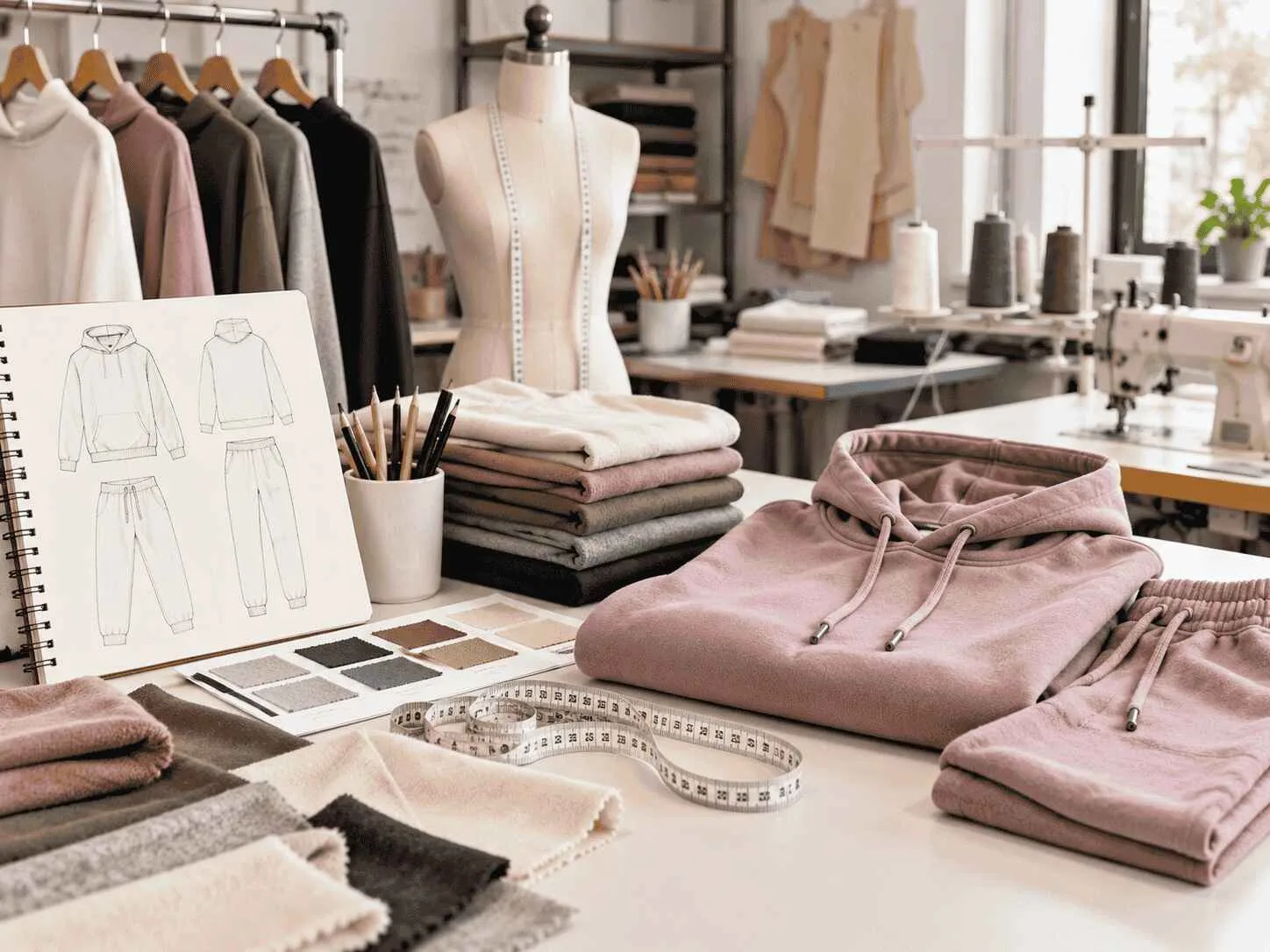
Launching a clothing brand often begins with a strong design idea, but moving from concept to production requires careful preparation. New brands need to make decisions about fabrics, sizing, construction, quantities, costs, and quality before placing their first manufacturing order. For many startups, working with experienced clothing manufacturers for startups can make this process easier to understand and manage.
Small-batch production can be especially useful for emerging brands because it allows them to test products without committing to excessive inventory. However, smaller production runs still require the same level of planning and technical accuracy as larger orders.
Define the Product Before Requesting Production
Manufacturers need clear information before they can estimate costs, develop samples, or begin production.
A brand should be able to explain what it wants to produce, who the garment is for, how it should fit, what type of fabric is preferred, and which design details are essential.
Before contacting a manufacturer, it helps to prepare:
- Garment sketches or reference images
- Basic measurements and fit preferences
- Fabric and color ideas
- Expected production quantity
- Target price range
The more specific the product direction is, the easier it is for a manufacturer to provide useful guidance.
Clear product planning reduces confusion and makes the development process more efficient.
Sampling is also an important part of this stage. The first sample gives brands an opportunity to evaluate the fit, construction, fabric behavior, and overall appearance before production begins.
It is normal for the first version to need revisions. Changes to measurements, seams, trims, or fabric choices are often necessary before a garment is ready for production.
Choose Materials and Quantities Carefully
Fabric selection affects much more than the appearance of a garment. It can influence fit, comfort, durability, construction, and manufacturing cost.
New brands should think about how the material performs, whether it is readily available, and whether it works with the intended design. Some fabrics may require special sewing techniques, while others may behave differently after washing or repeated wear.
Production quantity is equally important. One of the biggest advantages of working with small batch clothing manufacturers is the ability to start with a more manageable order.
Smaller production runs can help brands:
- Reduce excess inventory
- Protect early-stage cash flow
- Test new products
- Evaluate customer demand
- Make improvements before reordering
However, small runs may have a higher cost per garment because setup, cutting, and labor costs are spread across fewer pieces.
For many emerging brands, the goal is not to order the lowest possible quantity, but to choose a quantity that balances cost, demand, and financial risk.
Finalize Production Details Before Manufacturing Begins
Once the sample is approved, all production details should be confirmed.
This includes final measurements, fabric specifications, trims, labels, stitching details, size breakdowns, colors, and packaging. Even small uncertainties can create problems later if they are not resolved before cutting and sewing begin.
Production should begin only after the important details have been clearly approved.
Brands should also understand lead times. Manufacturing schedules may depend on fabric availability, cutting, sewing, finishing, quality control, and packaging. Additional time may be needed if samples require revisions or materials are delayed.
Building realistic timelines into the launch plan helps avoid unnecessary pressure and last-minute changes.
Pay Attention to Quality Control
Production is not complete when the garments are sewn.
Finished pieces should be reviewed to make sure they match the approved sample and specifications. Quality control may include checking measurements, stitching, labels, trims, fabric condition, and overall consistency.
For a new clothing brand, product quality can strongly influence customer trust and repeat purchases. Even a small production run should meet clear standards before the garments are packaged or sold.
This is also why it is important to work with a manufacturer whose capabilities match the product. Some manufacturers specialize in large-volume production, while others are better suited to startups, sampling, and lower quantities.
Choose a Manufacturer That Understands Emerging Brands
The right manufacturing partner should be able to support more than just sewing.
Communication, technical experience, minimum order quantities, sampling support, lead times, and quality standards all matter when choosing a production partner.
Brands comparing clothing manufacturers in Georgia may also want to consider the benefits of working with a local team when frequent communication, product development, or sample revisions are important.
A manufacturer that understands the challenges of an emerging brand can make the transition from development to production much smoother.
Final Thoughts
Small-batch production can be a practical way for new clothing brands to enter the market without taking on unnecessary inventory risk. However, successful production still depends on careful planning, accurate technical information, thoughtful sampling, and clear communication.
Brands that prepare properly are better positioned to control costs, reduce mistakes, improve product quality, and make smarter decisions as they grow.
For emerging labels, the first production run should not simply be about making garments. It should also help establish a reliable process that can support future collections and long-term growth.