Municipal waste programs must balance reliable public service with responsible budgeting. That can be difficult when disposal needs change, transportation distances grow, or existing equipment is not used efficiently. Improving waste handling does not always require major spending. In many cases, municipalities can achieve better results by reviewing current workflows, coordinating transportation more carefully, reducing avoidable trips, and making better use of the resources already available.
Start by Understanding the Full Cost of Waste Handling
A municipality cannot improve its waste program effectively without knowing where money is being spent. Collection, loading, transportation, equipment use, labor, maintenance, and disposal should be reviewed together rather than treated as separate expenses. The U.S. Environmental Protection Agency explains that full cost accounting can help communities understand the costs of different solid waste services, including recycling and disposal. This clearer view helps decision-makers identify inefficiencies before considering new investments.
A practical review may reveal that unnecessary transportation is a larger issue than equipment availability. It may also show that delays occur because collection schedules do not match transfer station operating conditions. Municipalities using transfer station management services in MA can focus on improving coordination between arriving vehicles, loading areas, and outgoing trailers. Small scheduling adjustments may reduce congestion, shorten waiting time, and allow existing staff and equipment to work more productively.
Consolidate Loads Before Long-Distance Transportation
Transfer stations play an important role in municipal waste logistics. The EPA describes them as facilities where municipal solid waste is unloaded from collection vehicles, briefly held, and then reloaded onto larger vehicles for transportation to disposal or treatment locations. The agency also notes that combining loads from several collection trucks into a single shipment can reduce labor and operating costs associated with long-distance transportation.
This approach can help municipalities limit inefficient trips. Instead of sending partially loaded vehicles over longer distances, local operations can consolidate material and use trailer capacity more effectively. Well-planned transfer station management services support this process by keeping traffic organized and ensuring that incoming and outgoing movements are coordinated. The goal is not to move vehicles faster at every stage. It is to reduce wasted time while maintaining a consistent and manageable flow of material.
Use Existing Equipment More Effectively
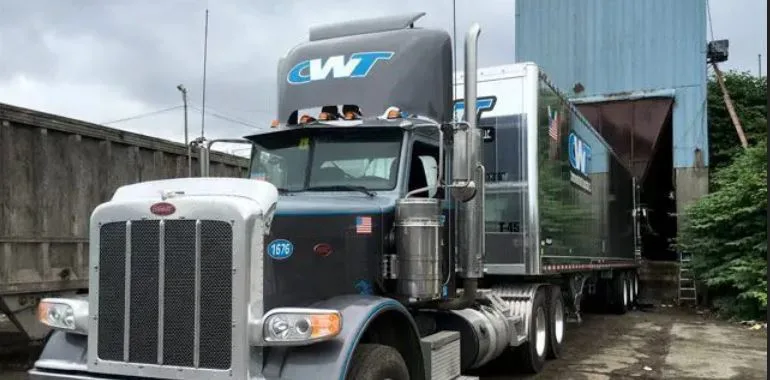
Municipalities do not always need additional equipment. Sometimes, better scheduling can improve the performance of the equipment already in service. Compactor trailers can support efficient transportation by allowing collected material to be handled within a planned logistics process. When municipalities review loading patterns, peak hours, trailer availability, and receiving schedules, they can make more informed decisions about when equipment should be positioned, loaded, and moved.
The value of municipal compactor trailers in Massachusetts depends on how well they fit the broader operation. A trailer that remains unavailable because of poor timing does not support productivity. A trailer that is dispatched before it is used efficiently may also create unnecessary transportation activity. Municipalities should review actual operating data and adjust schedules accordingly. This helps reduce avoidable movements while supporting reliable service for residents and local facilities.
Improve Recycling and Diversion Efforts
Waste handling costs are also influenced by the amount of material requiring disposal. MassDEP states that local mandatory recycling rules, limits on the number of trash barrels collected per household, and private hauler recycling regulations can be effective tools for reducing solid waste tonnage and municipal disposal costs. The right approach will depend on local conditions, existing services, and community needs.
Education is equally important. Residents need clear instructions about accepted materials, collection schedules, and local recycling expectations. When communication is confusing, contamination and missed collection issues can create additional work. Municipalities should provide practical information through the channels residents already use, such as town websites, mailers, and public notices. Consistent guidance can improve participation without requiring a costly new program. It also helps residents understand how their daily decisions affect the local waste system.
Reduce Delays Through Better Site Coordination
Transfer stations are busiest when incoming collection vehicles, unloading areas, and outgoing transportation schedules are not aligned. Delays can increase labor hours and make it harder for drivers to complete planned trips. Better coordination begins with a realistic understanding of daily volumes and peak operating periods. Municipalities should review when vehicles arrive, how long unloading takes, and whether site procedures contribute to unnecessary waiting.
Reliable transfer station management services in MA can help keep these activities organized. Clear traffic patterns, predictable scheduling, and timely communication support smoother daily operations. The same principle applies to municipal compactor trailers. When trailers are positioned according to actual demand, municipalities can make better use of available capacity. This improves workflow without automatically increasing spending, adding vehicles, or creating a more complicated system for employees to manage.
Consider Pay-As-You-Throw Carefully
Some municipalities may also evaluate pay-as-you-throw programs. Under this approach, households pay for waste collection based on the amount of trash they discard rather than through a flat fee alone. EPA resources describe these programs as a way to encourage waste reduction and diversion while generating revenue to support solid waste services. Any change should be reviewed carefully and communicated clearly before implementation.
This type of program is not the only option, and it may not fit every community. The broader lesson is that municipalities should connect service design with waste reduction goals. Better data, clear policies, and consistent public communication can help local governments improve performance while protecting budgets. Decisions should be based on community needs, existing infrastructure, and realistic operating conditions rather than assumptions about what works elsewhere.
Build a More Efficient Local Waste System
Municipal waste handling improves when each part of the process works together. Cost tracking, load consolidation, recycling education, equipment scheduling, and transfer station coordination can all reduce inefficiencies. Strategic use of municipal compactor trailers in Massachusetts can also support a more organized transportation plan. By improving existing workflows before adding expenses, municipalities can deliver reliable service, make better use of public resources, and create a waste system that is easier to manage over time.
FAQs
How can municipalities reduce waste handling costs?
Municipalities can review current workflows, reduce unnecessary trips, improve scheduling, consolidate loads, and make better use of existing equipment.
Why are transfer stations important?
Transfer stations help combine waste from smaller collection vehicles into larger loads, which can improve transportation efficiency and reduce long-distance hauling costs.
Can better recycling reduce municipal expenses?
Yes. Clear recycling guidance and practical local policies can help reduce the amount of material sent for disposal.
How can equipment scheduling improve operations?
Careful scheduling helps municipalities position trailers based on actual demand, reduce waiting time, and avoid inefficient transportation activity.
Contact Commonwealth Waste Transportation, LLC for dependable municipal waste logistics support that improves efficiency, coordination, and cost control across local operations. Contact us now via call (978) 265-4482 for professional service.