
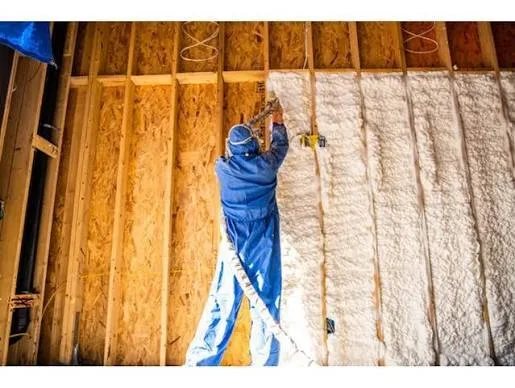
Professional open-cell spray foam insulation costs depend on the area being insulated, foam thickness, accessibility, and preparation work. For homeowners researching open-cell spray foam insulation cost in Westlake, FL, the most reliable way to budget is to compare written contractor quotes based on the same coverage area and insulation depth. There is no single price that applies to every home, and an on-site assessment may be needed for an accurate estimate.
This guide explains what affects installation costs, how open-cell foam compares with other insulation options, common problems to avoid, and what Westlake homeowners should ask before hiring an insulation contractor.
What Affects Open-Cell Spray Foam Insulation Costs?
Open-cell spray foam expands after application, filling gaps and creating an air barrier when properly installed. The final price depends on the work needed to prepare the space and apply the correct amount of foam.

Several factors can change your project estimate.
- Area and thickness: Larger areas require more material, while deeper applications use more foam per square foot.
- Location within the home: Open attic floors, rooflines, walls, and crawl spaces can have different access and preparation requirements.
- Existing insulation: Removing old insulation, cleaning surfaces, or correcting moisture problems may add labor and disposal costs.
- Access and complexity: Tight roof spaces, obstacles, and hard-to-reach cavities can take longer to insulate.
- Ventilation and safety requirements: The contractor must plan for safe application, appropriate ventilation, and required re-entry precautions.
Ask each contractor to explain what the estimate includes. A low initial quote may not cover removal, surface preparation, repairs, or cleanup.
Why Is Open-Cell Spray Foam Worth Considering in Westlake?
Westlake's hot, humid South Florida climate makes indoor comfort and moisture management important considerations. Open-cell foam can help limit uncontrolled air movement, which may reduce drafts and the amount of humid outdoor air entering through gaps.
However, insulation is not a substitute for proper moisture control. Roof leaks, plumbing leaks, high indoor humidity, and poorly managed ventilation must be addressed separately.
The U.S. Department of Energy explains the different insulation materials and their uses in its guide to types of home insulation. This information can help homeowners understand why the right material depends on the building assembly, climate, and installation location.
Key Benefits
- Air sealing: Properly installed foam expands into gaps and cracks that can allow outside air to enter.
- Comfort: Reducing uncontrolled air movement may help rooms maintain more consistent temperatures.
- Coverage around irregular spaces: Expanding foam can fit around wiring, framing, and other obstacles when applied correctly.
- Potential energy savings: Better air sealing and insulation may reduce heating and cooling demand, depending on the home's existing condition and HVAC system.
Actual savings depend on the building, existing insulation, air leakage, and how the home is operated.
Open-Cell vs. Closed-Cell Spray Foam
Both types can insulate and reduce air leakage, but they differ in structure, moisture behavior, and insulation performance per inch.
FeatureOpen-Cell FoamClosed-Cell FoamStructureSofter and less denseDenser and more rigidInsulation per inchGenerally lowerGenerally higherMoisture behaviorCan absorb and transmit moistureResists water penetration more effectively, but is not a substitute for waterproofingTypical considerationInterior cavities and suitable roof assembliesAreas needing more R-value in limited space or greater resistance to moistureCostOften less expensive per inchOften more expensive per inchThe best choice depends on the assembly, available space, code requirements, and moisture exposure. Neither product should be selected on price alone.
Pros and Cons of Open-Cell Foam
Open-cell insulation can be a practical option, but it is not suitable for every application.
Advantages
- Expands to seal many small gaps and irregular openings.
- Usually costs less than closed-cell foam for comparable installation areas.
- Can provide effective air sealing when installed to the required thickness and quality.
Disadvantages
- Provides less insulation per inch than closed-cell foam.
- Is not appropriate for every moisture-exposed location or roof assembly.
- Poor installation can leave gaps, create uneven coverage, or lead to other building problems.
Ask the contractor to explain how the proposed foam fits your home's design before approving the work.
Common Open-Cell Spray Foam Problems
Many insulation problems begin with moisture, unsuitable application conditions, or poor installation practices. In Westlake, these concerns deserve attention because humid outdoor air and air-conditioning systems can affect how moisture behaves inside a building.
Watch for these issues:
- Persistent dampness: Leaks or high indoor humidity can create moisture problems even after insulation is installed.
- Uneven coverage: Gaps or thin spots may reduce the intended air-sealing and insulation performance.
- Poor adhesion or shrinkage: Incorrect application conditions or installation issues may prevent the foam from performing as intended.
- Unpleasant odors: Persistent odors after installation should be investigated rather than covered up.
- Incorrect roof design: Adding foam to a roof assembly without evaluating ventilation, moisture, and condensation risks can cause trouble.
The EPA's guidance on moisture control in buildings explains why managing water intrusion and humidity is essential to reducing mold risk. If a home already has a leak or visible mold, address the underlying problem before insulating.
How Westlake Weather Affects Installation?
South Florida's heat, humidity, and frequent rain can affect job scheduling and building moisture conditions. The best installation time is when the work area, foam components, and surfaces meet the product manufacturer's specified conditions.
Rainy weather does not automatically prevent installation, but wet surfaces or unsuitable temperatures can affect application quality. A professional should inspect the area, follow product instructions, and avoid spraying over damp or damaged building materials. Before work begins, ask how the crew will protect the home, manage ventilation, and confirm that the installation area is ready.
What Is the R-Value of Open-Cell Spray Foam?
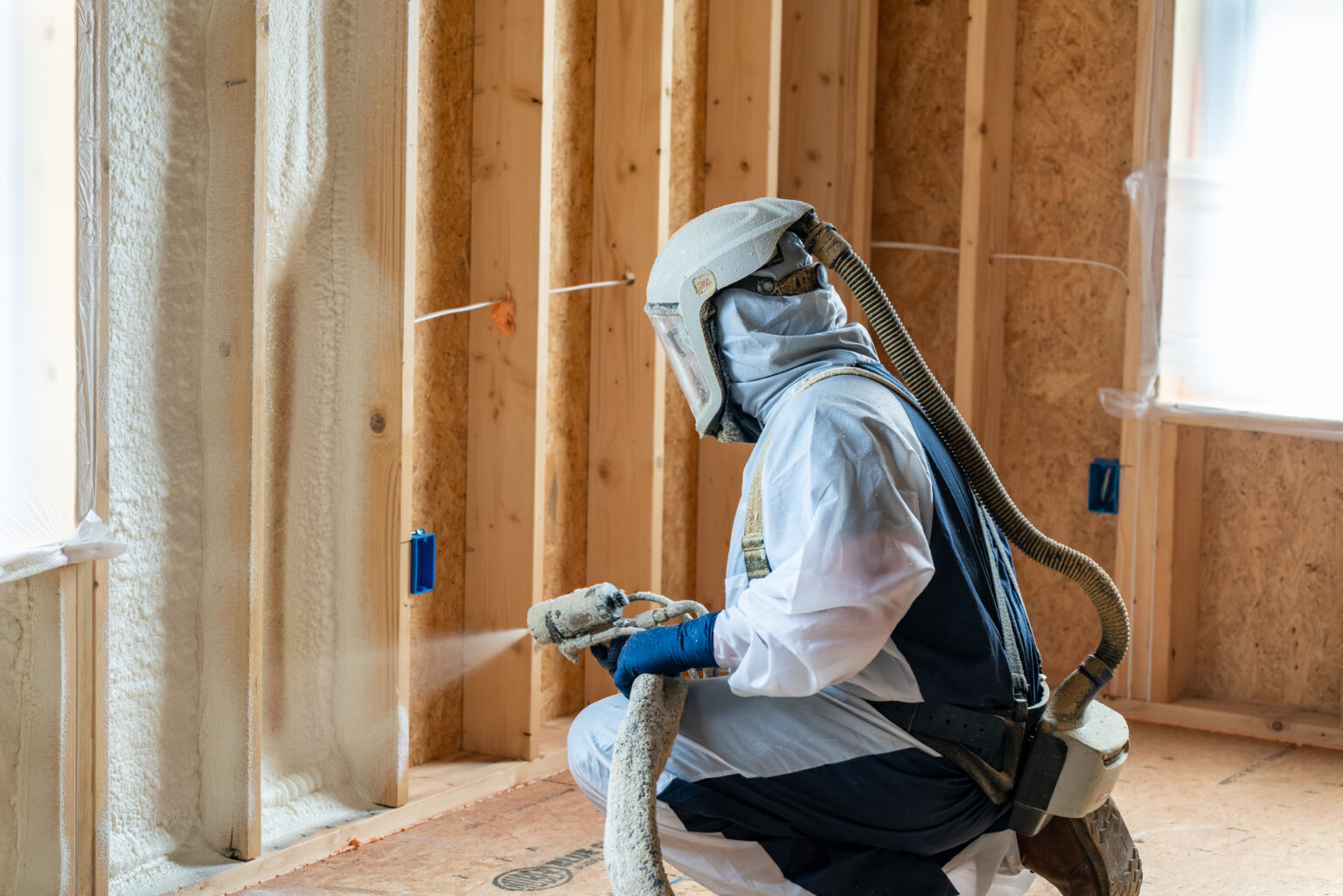
R-value measures how well insulation resists heat flow. A higher R-value generally means greater insulating performance at the same thickness. Open-cell spray foam commonly provides around R-3.5 to R-3.8 per inch, although the exact value depends on the product. The total R-value depends on the installed thickness and the complete building assembly.
Do not choose foam based on R-value alone. Air sealing, moisture management, local building requirements, and correct installation also matter. Ask your contractor to specify the product, intended thickness, and expected R-value in the proposal.
Why Choose All in Overhall?
At All in Overhall, we focus on clear communication and quality workmanship. Every home's insulation needs are different, so the proposed solution should account for the area being insulated, existing conditions, and the homeowner's goals.
Before approving a project, request a written estimate that identifies the coverage area, foam type, application thickness, preparation work, and any exclusions. You can also ask how the proposed assembly will meet applicable building requirements. Florida's official Building Code resources are a useful starting point for understanding code-related questions.
Get an Open-Cell Spray Foam Estimate in Westlake, FL
The cost of open-cell spray foam insulation depends on the size and condition of your project, the required thickness, and the work involved. Comparing detailed estimates is the best way to understand the price and avoid unexpected charges.
Contact All in Overhall to discuss your insulation project and request an estimate.
- Phone: (561) 406-3835
- Email: [email protected]
Frequently Asked Questions
Is Open-Cell Spray Foam Cheaper Than Closed-Cell Foam?
Open-cell foam is generally less expensive per inch. However, the better value depends on the required R-value, available space, moisture conditions, and the intended application.
How Long Does Open-Cell Spray Foam Insulation Last?
Properly installed foam can last for many years, but its performance depends on installation quality, building conditions, and whether the foam is protected from damage and moisture problems.
Can Open-Cell Foam Be Used in an Attic in Florida?
It can be suitable for some attic and roof assemblies, but the design must account for ventilation, humidity, condensation, and applicable building requirements. Have a qualified professional assess the specific roof assembly before installation.
Can Spray Foam Be Installed Over Existing Insulation?
Sometimes, but the existing material and building conditions must be evaluated first. Wet, damaged, contaminated, or poorly installed insulation may need to be removed before new foam is applied.
How Can I Get an Accurate Insulation Quote?
Provide the contractor with details about the area, existing insulation, and your goals. Request a written estimate that identifies the foam type, thickness, preparation work, and any additional charges.
Author & Reviewer
Author: Richard Hall
I'm Richard Hall, founder of All in Overhall, a local spray foam insulation company in Jupiter, FL, founded on January 3, 2022. I have four years of experience in the insulation industry, including experience gained before founding the company. I focus on clear communication and quality workmanship, helping homeowners and businesses improve comfort and energy efficiency year-round. My work is centered on providing quality spray foam insulation while maintaining clear communication throughout each project. I'm committed to delivering dependable workmanship and effective insulation solutions for every customer.
Reviewer: Mia Clark
Mia Clark used her nine years of experience in spray foam to review this article and offered input focused on helping companies make their services easier to understand and market effectively.