Businesses and individuals ordering custom plastic cards often want to understand what drives the final cost before requesting a quote. Pricing for these cards depends on several variables, including material, design complexity, and order volume, rather than a single fixed rate. This article outlines the main cost factors involved in producing custom cards and explains what buyers can expect during the ordering process.
What Personalized Plastic Cards Are
Personalized plastic cards are PVC cards printed with custom artwork, text, photos, or logos, rather than a generic design. They are commonly used for gift cards, loyalty cards, membership cards, and business cards. Unlike paper cards, PVC cards resist bending, moisture, and daily wear, which makes them a common choice for items that customers or employees carry regularly.
Custom cards can be produced with a range of finishes, including matte, glossy, or metallic surfaces. Some orders also include add-on features such as barcodes, magnetic stripes, or embossed numbers, which affect both production time and final cost.
Common Uses for Custom Cards
Gift Cards
Personalized gift cards are one of the most common applications for custom plastic card printing. Retailers and service businesses use them to let customers purchase credit that can be redeemed later. Personalized plastic gift cards typically include a barcode or magnetic stripe so the card can be scanned at checkout.
Loyalty and Membership Cards
Gyms, salons, and retail stores often issue membership or loyalty cards that track points, visits, or account status. These cards are usually reordered on a recurring basis as new members join.
Business Cards
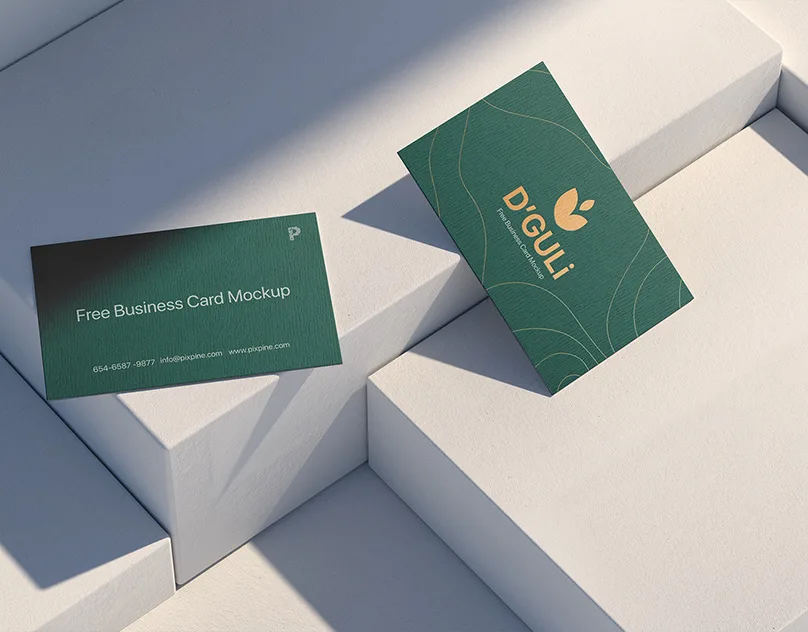
Plastic business cards offer a more durable alternative to standard paper cards. Because they resist creasing and tearing, they are often used by professionals who want their card to remain in usable condition longer than a typical paper card.
Factors That Influence the Cost
Order Quantity
Order size has one of the largest effects on the overall cost of personalized plastic cards. Producing cards in bulk generally lowers the cost per card, since setup work and equipment time are spread across more units. Small orders, such as a single batch of gift cards for a new business, typically cost more per card than a large order placed by an established retailer.
Card Material and Thickness
Standard PVC cards are the most common and generally the most affordable option. Cards made with additional layers, such as clear plastic or metallic finishes, usually involve a higher production cost due to the extra materials and processing steps required.
Printing Type
Single-sided printing is generally less expensive than double-sided printing, since it requires less ink and processing time. Full-color designs also cost more to produce than single-color printing, particularly for orders that include detailed graphics or photographs.
Add-On Features
Features such as barcodes, magnetic stripes, QR codes, or embossed text add to the base cost of a card. These features are common for personalized gift cards and membership cards that need to be scanned or tracked electronically.
Finishing Options
Finishing choices such as gold or silver foil stamping, embossing, and gloss or matte lamination increase production cost compared with a basic printed card. These options are typically chosen when a business wants its custom cards to reflect a specific brand style.
Turnaround Time
Standard production timelines are generally more affordable than rush orders. Expedited turnaround, such as one-, three-, or five-day production, often carries an added fee because it requires prioritizing the order ahead of standard processing.
How Providers Structure Pricing
Most companies that produce custom cards provide quotes based on the combination of factors listed above rather than a flat rate per card. Buyers typically submit their desired quantity, card type, and any add-on features through an online form, after which the provider calculates a price specific to that order.
Companies such as Perfect Plastic Cards, a Canadian plastic card printer, use this type of quote-based system, allowing customers to request pricing for personalized plastic cards, order a sample, or upload their own artwork directly through their website. This approach lets buyers compare specifications before committing to a full order, since the same base card can vary in cost depending on finish, quantity, and printing method.
Steps to Get an Accurate Quote
- Decide on the intended use of the card, such as a gift card, membership card, or business card.
- Determine the order quantity needed, since this has one of the largest effects on per-card cost.
- Choose printing details, including single- or double-sided printing and the number of colors used.
- Select any add-on features, such as barcodes, magnetic stripes, or embossing.
- Submit these details to a provider for a formal quote, since online estimates without full specifications may not reflect the final price.
What to Consider Before Ordering
Buyers comparing providers for custom cards should keep a few practical points in mind.
- Minimum order requirements. Some providers set a minimum quantity for custom cards, which can affect cost for buyers who only need a small batch.
- Sample cards. Requesting a sample before placing a full order allows a buyer to check print quality and card thickness in advance.
- Design support. Buyers without their own design files may need a provider that offers templates or basic design assistance.
- Card compatibility. Cards that need to work with existing scanning or point of sale systems should be confirmed for compatibility before ordering.
- Production location. Ordering from a domestic supplier can reduce shipping time compared with importing cards from overseas.
Common Questions About Pricing
Does a smaller order always cost more per card?
In most cases, yes. Setup work, such as preparing artwork files and calibrating printing equipment, is a fixed cost regardless of order size. When that cost is divided across a small batch of cards, the amount added to each card is higher than it would be for a large order where the same setup cost is spread across many more units.
Are gift cards more expensive than standard business cards?
Personalized gift cards often cost more than basic plastic business cards, since they typically include a barcode or magnetic stripe for scanning at checkout. A plain single-sided business card generally involves fewer production steps than a gift card built for point-of-sale systems.
Can a buyer reduce cost without lowering quality?
Buyers can often manage costs by adjusting specifications rather than choosing lower-quality materials. Reducing ink colors, choosing single-sided printing, or removing optional finishing steps such as foil stamping can lower total cost while keeping the card on standard PVC stock.
Is a rush order always more expensive?
Rush production generally does carry an added fee, since the order is prioritized ahead of standard jobs already in the production queue. Buyers who can plan ahead and use standard turnaround times typically avoid this added cost.
What Happens After a Quote Is Requested
Once a buyer submits order details, most providers review the specifications and confirm exact figures before production begins. This review typically includes checking that uploaded artwork meets file requirements, confirming card thickness and finish, and verifying any add-on features. Buyers are usually given a final cost figure before the order is confirmed, which allows them to adjust specifications if the estimate does not match their budget.
Because pricing depends on several variables at once, two orders of the same quantity can cost differently if one includes double-sided printing or foil stamping and the other does not. This is why most providers calculate cost based on the specific combination of features requested rather than publishing a single price list.
Conclusion
The cost of producing personalized plastic cards depends on a combination of factors, including order quantity, card material, printing complexity, add-on features, and turnaround time. There is no single rate that applies to every order, since specifications vary widely between a small batch of personalized gift cards and a large order of custom cards for a corporate loyalty program. Buyers seeking personalized plastic gift cards or other custom card types should request a detailed quote based on their specific requirements, since providers typically calculate pricing individually rather than publishing a fixed cost for every card type.