Whether you need one more bedroom, a bigger kitchen, or an entirely new second storey, understanding how much does an addition cost is the first step to planning a realistic, well-budgeted project.
Cost Varies Widely by Addition Type
Not all home additions are priced the same way, and the type of addition you choose has the single biggest impact on your overall budget:
- Rear ground-floor extensions — pushing the back of the home into the backyard — tend to fall on the more affordable end, since they generally require less structural complexity than going up.
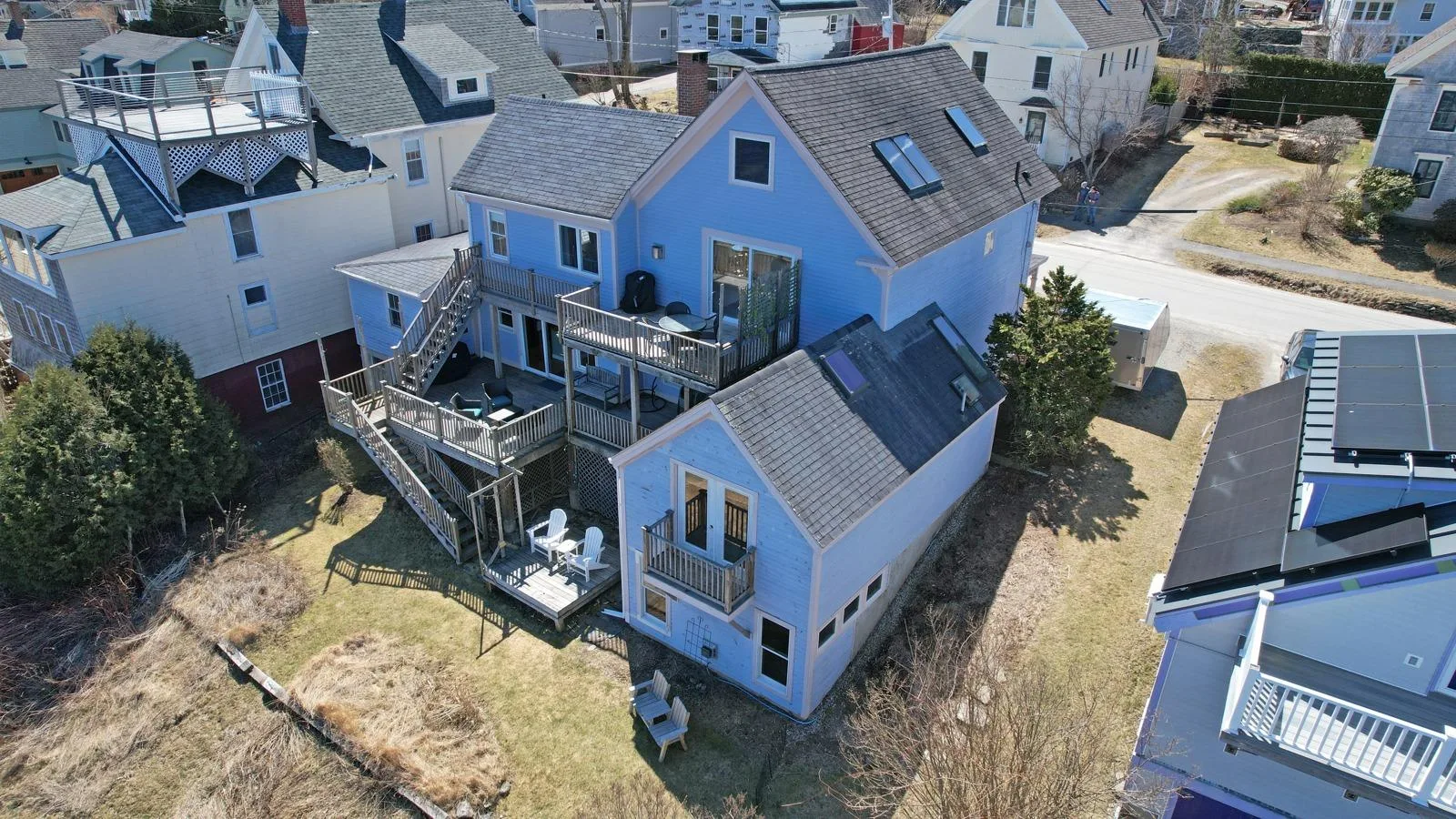
- Second storey additions — building an entirely new floor — cost significantly more due to the structural reinforcement, roof removal, and staircase work involved.
- Bump-outs — small extensions of an existing room by a few feet — are the least disruptive and least expensive option, since they often avoid the need for a full new foundation.
What's Included in the Price
A realistic addition cost estimate typically covers far more than just framing and drywall. It includes design and architectural drawings, permits, foundation work, framing, roofing, exterior finishes, insulation, electrical, plumbing, HVAC extension, and interior finishing. High-end finishes, custom millwork, or complex structural requirements can push costs well beyond baseline estimates.
Permits Are Part of the Budget, Not an Afterthought
Every home addition in Toronto requires a building permit, and permit review typically takes 4 to 12 weeks depending on project complexity. If your property is in a heritage conservation district or your project requires a zoning variance, factor in additional time and cost for those approvals as well.
Timeline Affects Total Cost Too
Construction timelines for additions generally run 3 to 8 months depending on size and complexity, with the full process — including design and permitting — taking anywhere from 8 to 14 months. Longer timelines mean more exposure to material price fluctuations and potential seasonal delays, both of which can affect your final budget.
Which Additions Offer the Best Return
Not all additions deliver the same value at resale. Kitchen extensions and in-law suite additions tend to offer some of the strongest returns, while second storey additions that add bedrooms and bathrooms also perform well — particularly in neighbourhoods where larger homes command a premium.
Getting an Accurate Estimate
Because so many variables affect final pricing — lot conditions, structural requirements, finish level, and permitting complexity — the most reliable way to budget for an addition is a detailed, in-person consultation with an experienced contractor. A written, itemized estimate protects you from unexpected costs mid-project and helps you compare options accurately if you're weighing multiple addition types.
Planning ahead with a clear understanding of costs, timelines, and permit requirements puts you in the strongest position to make a confident, well-informed decision about expanding your home.