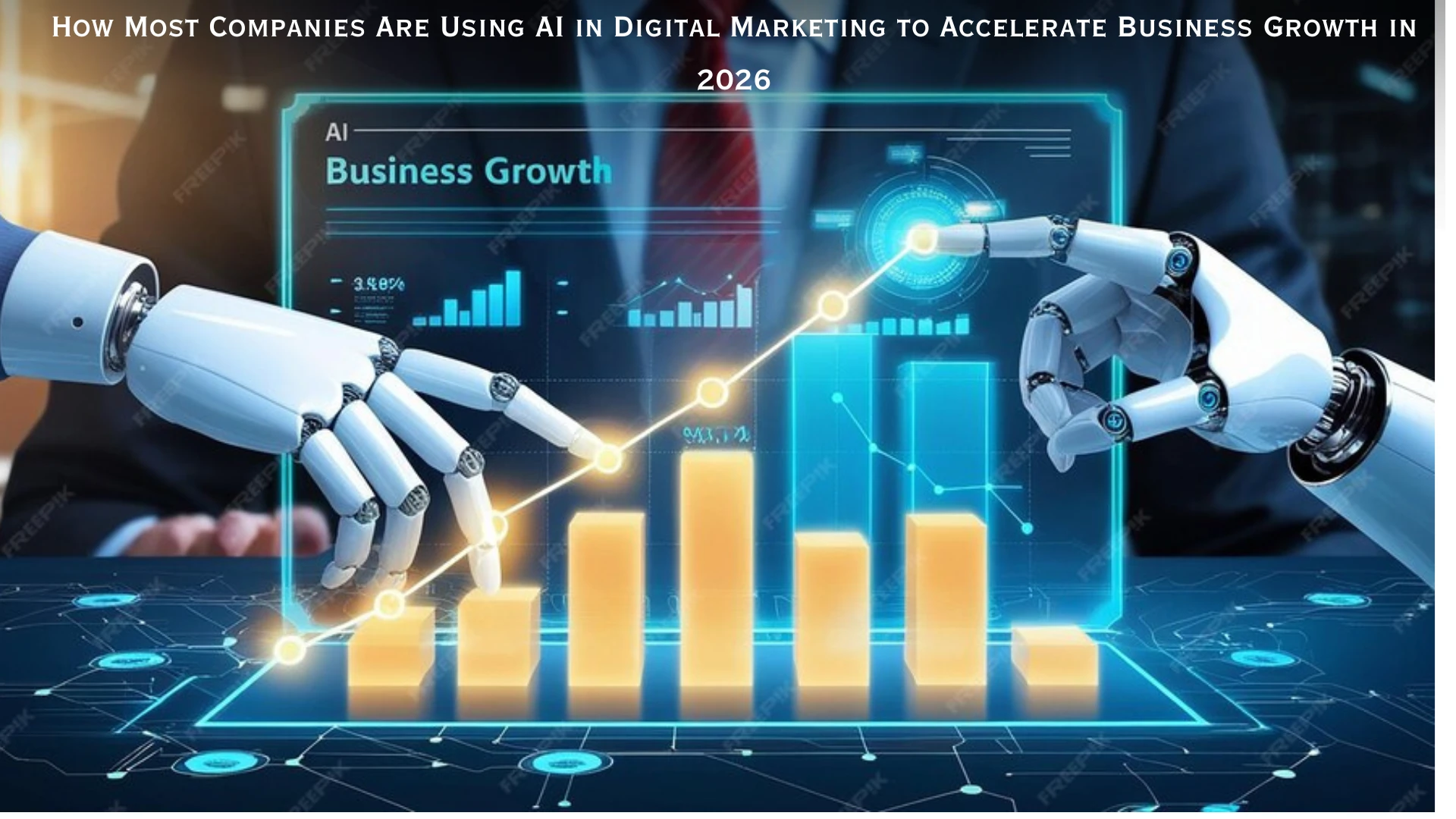
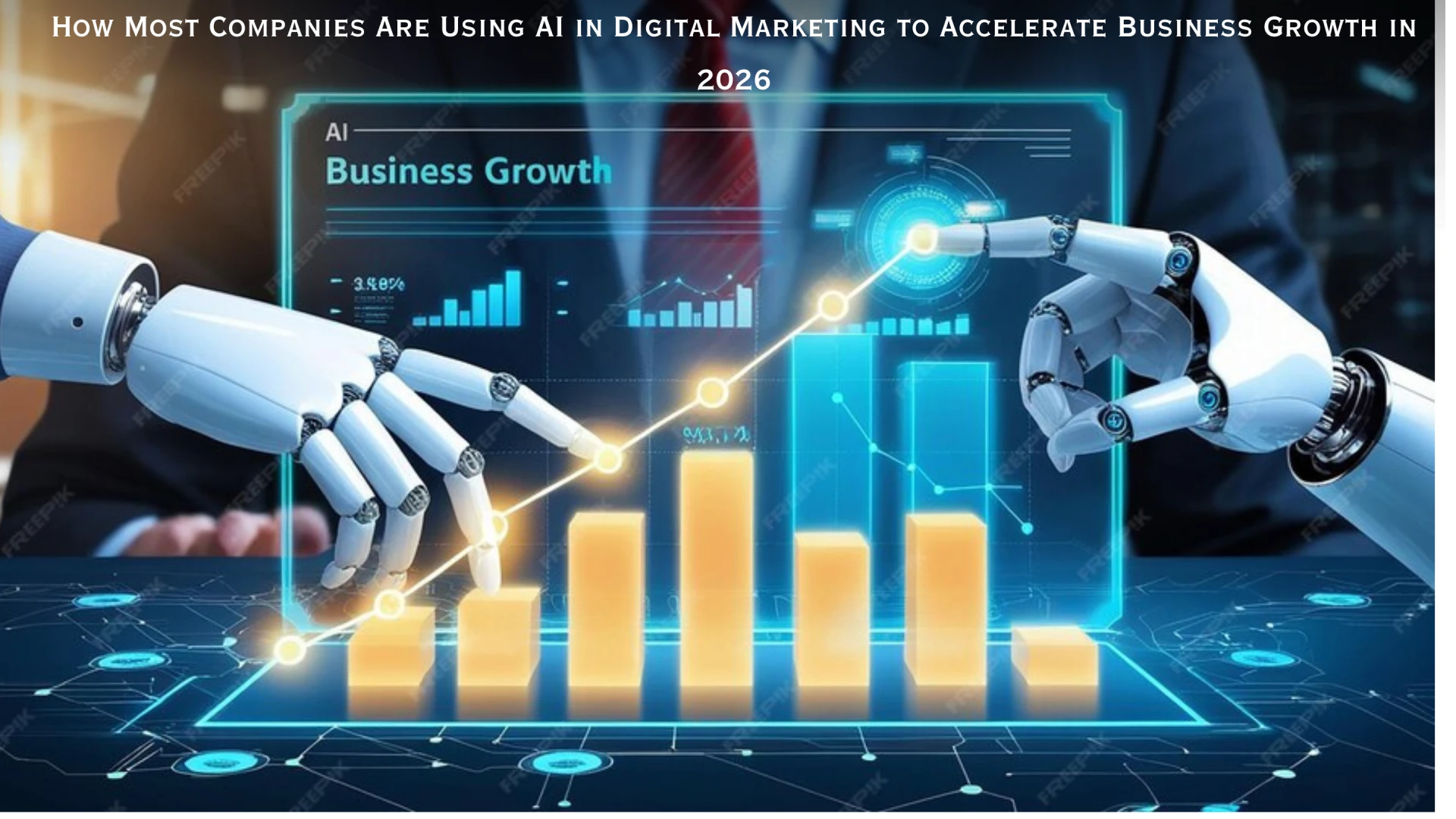
Artificial intelligence has become indispensable in digital marketing. Surveys from McKinsey, HubSpot, and others show that 88-94% of marketers and organisations now incorporate AI into workflows, with high performers reporting revenue gains, especially in marketing and sales. The AI in marketing market continues its rapid expansion, projected toward hundreds of billions, fueled by tools that automate tasks, deliver hyper-personalised experiences, and provide predictive insights.
Here are the primary ways most companies are deploying AI to fuel business growth:
1. Hyper-Personalisation at Scale
AI analyses real-time customer data, including behaviour, preferences, history, and context, to deliver tailored experiences across channels.
- Brands use recommendation engines for product suggestions, dynamic website content, and customised emails/offers, resulting in higher conversion rates (up to 20-30% lifts in some cases), better retention, and increased average order value.
- E-commerce and streaming platforms like Netflix or Adidas exemplify this with personalised feeds and recommendations that keep users engaged longer.
This approach meets rising consumer expectations for relevance, turning one-size-fits-all marketing into loyalty-building interactions that directly impact revenue.
2. Generative AI for Content Creation and Optimisation
Over 80-94% of marketers use generative AI for content tasks, including drafting blogs, emails, social posts, ad copy, videos, and images.
- Tools speed up production, enabling 42% more content monthly while optimising for SEO, including Generative Engine Optimisation (GEO) to rank in AI-driven search summaries.
- Teams brainstorm ideas, generate variations for A/B testing, and refine output with human oversight to maintain brand voice.
This massive productivity boost allows companies to dominate channels, respond to trends faster, and reduce costs without sacrificing quality.
3. Predictive Analytics and Customer Insights
AI processes vast datasets to forecast behaviour, score leads, predict churn, and suggest next-best actions.
- Marketers gain deeper insights into trends, high-value segments, and opportunities, enabling precise budget allocation and targeting.
- High adopters report revenue increases from these capabilities, often in marketing/sales functions.
By anticipating needs, businesses reduce waste, improve targeting, and capture more value from every campaign.
4. Automated Ad Targeting, Optimisation, and Bidding
In paid media (PPC, social, programmatic), AI handles real-time bidding, creative testing, audience refinement, and budget shifts.
- Platforms optimise campaigns instantly based on performance, lowering acquisition costs (sometimes by 30-50%) and boosting ROAS.
- Many companies see significant new-customer gains through AI-driven reallocations and testing.
This automation scales ad spend efficiently while maximising returns in competitive environments.
5. AI Agents, Chatbots, and Conversational Experiences
Advanced chatbots and emerging agentic AI provide 24/7 support, qualify leads, recover abandoned carts, upsell products, and guide customer journeys.
- They deliver personalised interactions across websites, social, and messaging apps, enhancing satisfaction and driving conversions.
- Agentic systems automate entire workflows, from planning to execution.
These tools cut support costs while creating seamless, engaging experiences that feel human yet scale infinitely.
6. SEO and Search Evolution (Including GEO)
With AI reshaping discovery via overviews, assistants, and conversational search, companies optimise content for visibility across platforms.
- Strategies focus on authoritative, helpful assets that appear in AI summaries and recommendations.
- This "Search Everywhere Optimisation" ensures brands stay discoverable beyond traditional engines.
Adapting here is essential for maintaining organic reach in an AI-first world.
Key 2026 Statistics on AI's Impact in Marketing
- 88-94% of marketers use AI in workflows or daily roles.
- High performers see revenue boosts, efficiency gains, and shifts to strategic work (75%+ in some reports).
- 80%+ of small businesses are adopting or planning AI marketing tools by year-end.
- Common uses: content generation (80%+), media production (75%), personalisation, and optimisation.
- Many report 300%+ ROI in targeted areas, plus lower costs and higher engagement.
Steps to Get Started and Win with AI
To join the majority thriving in 2026:
- Pilot high-impact areas like content tools, personalisation engines, or ad optimisers.
- Build on first-party data for accurate, privacy-compliant insights.
- Blend AI speed with human creativity and oversight for authentic results.
- Invest in team upskilling and ethical governance to scale responsibly.
AI isn't a future trend; it's the current reality driving digital marketing success. Companies fully embracing it achieve faster growth, deeper customer connections, stronger efficiency, and a clear competitive advantage.
What AI-powered tactics are you using to grow your business? Share your experiences in the comments!