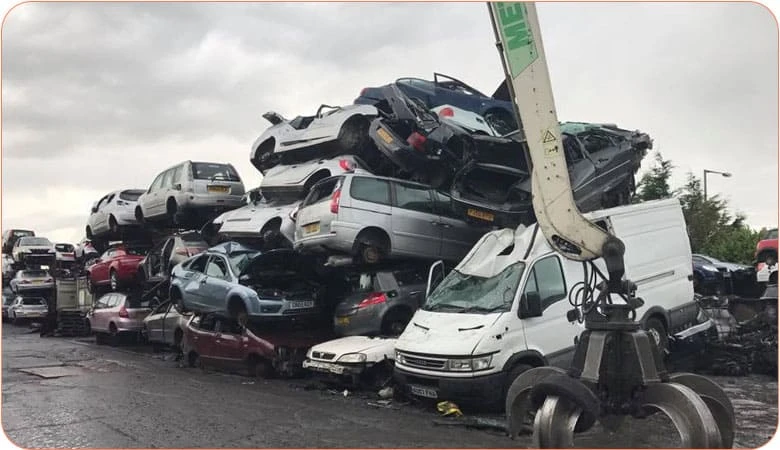
The auto recycling industry in Australia has entered a major period of change. Old practices that once relied on manual notes and visual checks are now being replaced with tools that record, tag, and follow each part of a retired vehicle. As more cars reach the end of life each year, the pressure to manage waste with precision has increased. Modern systems are now helping yards record every bolt, metal panel, engine part, and electronic unit from the moment the vehicle arrives until the material reaches its next stage.
Australia processes hundreds of thousands of end-of-life vehicles each year. Reports from industry groups show that this number has risen steadily due to population growth, rising car ownership, and the arrival of more imported second-hand models. With this rise comes the need for stronger tracking to reduce waste and improve the recovery of valuable metals. This blog explains how modern tools work, the facts behind their growth, and why they are now essential for a more controlled and responsible recycling network. https://www.cash4carstownsville.com.au/
Why Tracking Matters in Auto Recycling
Modern cars contain far more components than older models. A current vehicle may hold more than 30,000 parts. Many of these parts contain metals, plastics, or electronic units that can be reused or reprocessed. Without clear tracking, many items may get lost in mixed piles. This creates several problems, including:
- loss of materials that could support local industries
- higher landfill levels
- safety risks linked to improper handling of electronics or fluids
- weaker data on what materials Australia recovers each year
Accurate tracking also helps the industry follow new environmental rules across the country. Several states now require detailed records of how waste is sorted and where it goes next. Modern systems help yards meet these requirements with consistent records.
How Tagging Systems Record Each Part
Many recycling yards now use tagging systems to record each part removed from a vehicle. Tags can be digital or physical. Digital tags often link to a central database. When a worker removes a part, they scan or enter the tag into a system that stores the part’s type, condition, location, and next step.
This process helps create a clear picture of where each item is at any moment. It also helps prevent confusion when large numbers of cars arrive at the same time. In some busy yards, dozens of vehicles may pass through in a single week. Tagging makes sure each part finds the correct path.
How Digital Platforms Improve Sorting
Digital platforms have become one of the most important tools in modern recycling. These platforms record stock levels, track movement, and mark items that require special attention. For example, electronic parts containing copper and other metals may need controlled storage. Platforms send alerts so workers store these items safely.
Some platforms also help match parts with potential buyers. Reusing parts reduces waste and supports local repair shops. With detailed records, buyers receive the correct information about the part’s condition and origin. This reduces misunderstandings and helps the part re-enter the market quickly.
Tracking in the Dismantling Stage
Dismantling is a key stage in auto recycling. This is when workers remove fluids, airbags, batteries, panels, wiring, and metal frames. Modern tools help record each fluid drained from the vehicle. This matters because several fluids can harm soil and water if they are not stored correctly.
Metal panels also receive special attention. Many panels contain alloys that support local steel and aluminium industries. Detailed tracking helps yards send the right materials to the right processors. This approach supports stronger metal recovery and reduces waste.
How Data Helps Improve Recycling Rates
Data has become one of the strongest tools for improving recovery rates. Reports from Australian recycling groups show that detailed data collection has helped some yards raise their recovery levels for certain metals by more than 15 percent over the past five years. This improvement comes from knowing exactly what arrives each day and how fast each material moves through the system.
Data also helps predict future trends. For example, if a yard sees a rise in vehicles containing more electronic units, it can prepare new storage areas or upgrade sorting equipment. This preparation prevents delays and supports safer handling.
Tracking in the Transport Stage
Transport plays an important role in the recycling chain. Once parts or crushed bodies leave the yard, tracking helps record their journey. Some transport companies now use digital logs so yards can follow the load from start to finish. This reduces the risk of material loss during transit.
Transport logs also help meet safety rules. For example, some items such as airbags or electronic units must travel under certain conditions. Digital logs show that these rules were followed, which protects workers and communities.
A Practical Link With Vehicle Removal Services
Modern recycling depends on steady and organised collection of old vehicles. Many households across regional areas face trouble moving an unwanted car from their property. Services such as Cash 4 Cars Townsville help support this chain by collecting these vehicles and preparing them for dismantling. Their work also provides an important pathway for Car Body Removal Townsville, which ensures that each car reaches the correct recycling facility. This link strengthens the entire system by keeping materials moving in a controlled and timely manner.
How New Scanning Tools Help Identify Materials
Scanning tools are now used across many yards to identify metals and plastics with greater accuracy. Hand-held scanners can read the surface of a material and show the metal blend inside. This approach helps workers know whether a panel contains steel, aluminium, or mixed alloys. Correct sorting makes metal recovery far more effective.
Some scanners also help identify plastic types. Plastics vary widely in structure and melting point. Without correct sorting, plastic loads often end up as mixed waste. Scanners help yards send plastics to the correct recycling line, which increases reuse rates.
Growth of Electronic Tracking in Australia
Reports from 2023 and 2024 show that more than half of large auto recycling yards in Australia now use some form of digital tracking. Many smaller yards plan to upgrade within the next five years. The rise of electric vehicles is also pushing this growth. Battery packs, wiring looms, and electronic units require careful recording, so digital systems help protect workers and track each piece until it reaches the correct processing plant.
How Tracking Supports a Circular Approach
A circular approach aims to keep materials in use for as long as possible. Tracking plays a vital role in this system. Without strong tracking, materials may become mixed or lost. With strong tracking, more metals and plastics move into new manufacturing cycles. This reduces the pressure on mining, lowers waste volumes, and strengthens local industry.
Australia has already shown interest in growing its circular systems. Several states now run grants for recycling upgrades. Tracking tools help these programs succeed because they show clear data about what materials were recovered.
Challenges That Still Need Attention
Although modern tools have helped the industry grow, several challenges remain:
- high cost of installing new systems
- lack of trained staff in some regions
- large number of mixed-material parts in new vehicles
- slow progress in sorting electronics
- limited space in some small yards
Solving these issues will require teamwork between government, recycling centres, and technology providers.
Looking Ahead: What the Next Decade May Bring
The next ten years are likely to bring major changes. More electric vehicles will reach the end of their life, which means more battery packs and more electronic parts. More yards will adopt digital tracking because the volume of materials will be too high for manual systems.
New scanning and sorting tools may help identify materials with far higher accuracy. Tracking may also link directly to national recycling records, giving Australia a clear picture of how much material it recovers every year.
Conclusion
Modern tools are now shaping the future of auto recycling in Australia. Tagging systems, digital platforms, scanning tools, and detailed transport logs all help record each bolt, panel, and wire from the moment a car arrives until the material reaches its next stage. These systems support safer work practices, stronger material recovery, and better planning for the future.
With rising vehicle numbers and growing environmental expectations, tracking will play a key role in shaping a stable and responsible recycling network. As more yards upgrade their methods, Australia moves closer to a system that makes full use of every vehicle from scrap to reuse.