
Every shipment has a deadline. Whether it's fresh produce headed to a grocery store, construction materials for a job site, or medical supplies destined for a healthcare facility, trucking companies are expected to deliver on time. Behind every successful delivery is a vehicle that performs reliably, even under demanding conditions.
Unfortunately, mechanical problems don't wait for convenient moments. A failed battery, damaged brake component, or electrical fault can leave a truck stranded on the roadside and throw an entire delivery schedule off track. Even a few hours of downtime can lead to missed appointments, increased operating costs, and frustrated customers.
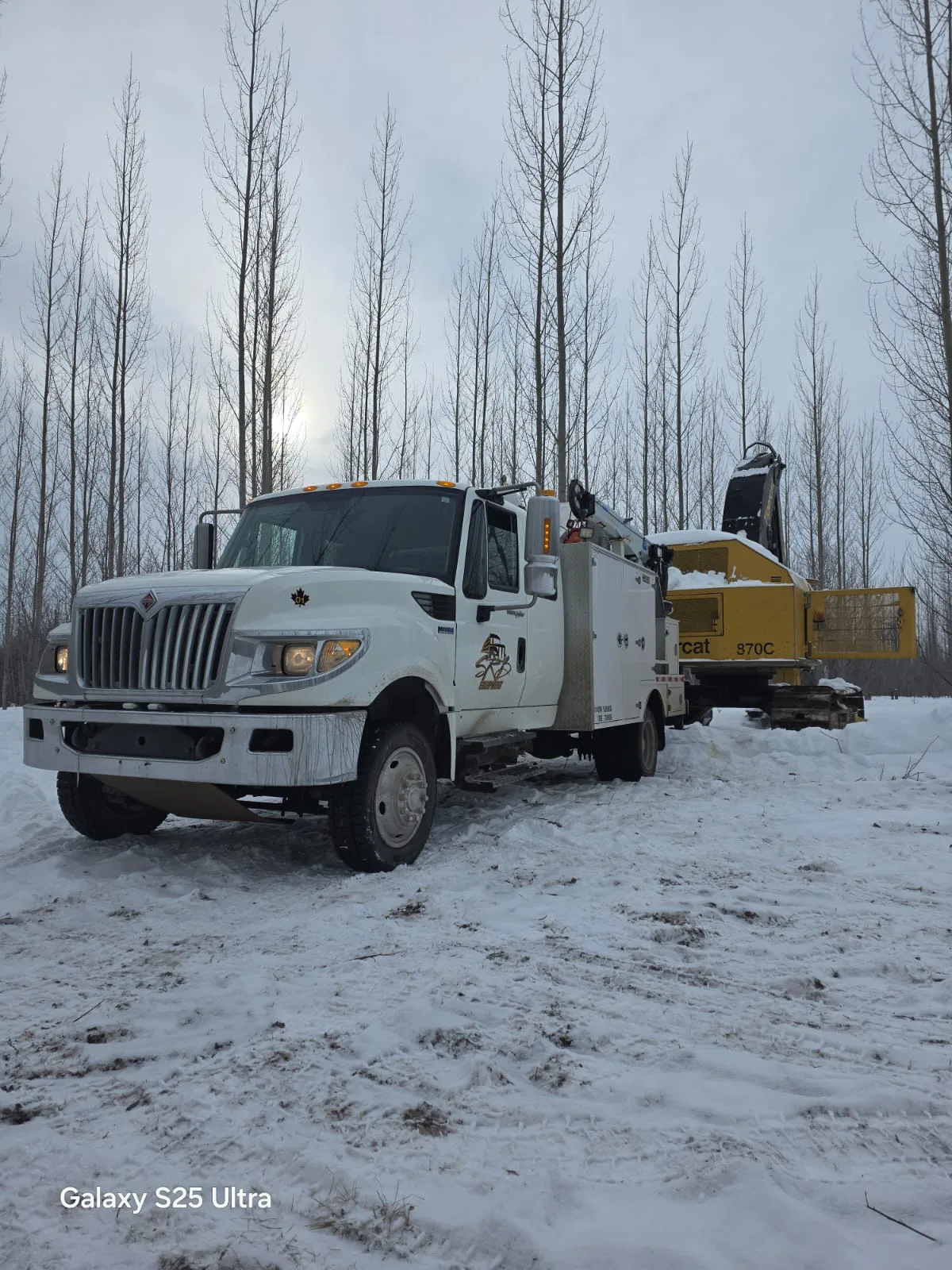
This is where mobile mechanics have become an essential part of today's transportation industry. Instead of requiring a disabled truck to be towed to a repair shop, qualified technicians travel directly to the vehicle, allowing many repairs to be completed where the breakdown occurs. The result is less downtime and a faster return to the road.

Why Delivery Schedules Matter
The trucking industry operates on tight timelines. Manufacturers depend on raw materials arriving when expected, retailers rely on inventory being delivered before shelves become empty, and construction companies schedule projects around material deliveries.
When a truck is delayed, the effects often extend beyond a single shipment. Dispatchers may need to reorganize routes, customers may postpone their own operations, and businesses can incur additional expenses from late deliveries.
Keeping trucks moving consistently isn't simply about convenience. It's a key factor in maintaining customer confidence and controlling operational costs.
The Most Common Reasons Trucks Break Down
Commercial vehicles travel thousands of kilometers every month while carrying heavy loads through changing weather and road conditions. This continuous use naturally causes wear on many important systems.
Some of the issues that most commonly interrupt operations include:
- Battery failures
- Brake problems
- Electrical system faults
- Tire damage
- Cooling system failures
- Fuel delivery issues
- Air system leaks
- Starter and alternator failures
Although some problems develop gradually, others occur without warning. Quick diagnosis and repair often determine whether a delay lasts thirty minutes or an entire day.
Faster Repairs Mean Less Downtime
One of the biggest advantages of mobile mechanics is their ability to bring the repair shop to the truck.
Instead of waiting for a tow truck, drivers receive assistance at the breakdown location. Mobile technicians arrive equipped with diagnostic tools, replacement parts for common repairs, and the experience needed to identify problems quickly.
This approach saves valuable time because repairs begin immediately rather than after transportation to another location. For companies operating under strict delivery windows, every hour saved can make a significant difference.
Eliminating Unnecessary Towing
Towing a heavy commercial truck isn't always simple. Depending on the location, weather, and availability of recovery services, arranging transportation to a repair facility can become both expensive and time-consuming.
Many roadside issues don't actually require towing. Faulty batteries, damaged air lines, electrical problems, and several mechanical failures can often be repaired on-site.
Avoiding unnecessary towing reduces costs while allowing trucks to return to service much sooner.
Helping Drivers Stay Productive
Professional drivers work within carefully planned schedules while also following hours-of-service regulations. Unexpected delays can affect not only a single trip but an entire week's workload.
Having access to roadside repair professionals allows drivers to spend less time waiting for assistance and more time completing deliveries safely.
Knowing that qualified help is available also reduces stress during unexpected breakdowns, allowing drivers to focus on getting back on schedule instead of worrying about lengthy repair delays.
Mobile Repairs Support Better Fleet Management
Fleet managers are constantly balancing maintenance costs, vehicle availability, and customer expectations.
Having access to mobile truck repair services gives fleet operators greater flexibility when unexpected problems occur. Rather than removing a truck from service for an extended period, many issues can be diagnosed and repaired on location.
This helps companies maintain higher vehicle availability while reducing disruptions across the fleet.
Preventive Maintenance Makes a Difference
Emergency repairs are only part of what mobile mechanics provide.
Routine inspections performed at customer locations can identify small issues before they become major failures. Replacing worn components during scheduled maintenance is often far less expensive than dealing with roadside breakdowns.
Preventive maintenance commonly includes:
- Battery testing
- Brake inspections
- Fluid level checks
- Belt and hose evaluations
- Tire inspections
- Electrical system diagnostics
These regular inspections improve vehicle reliability and reduce the likelihood of unexpected downtime.
Customer Satisfaction Depends on Reliability
Every successful delivery strengthens a trucking company's reputation.
Customers value businesses that consistently meet deadlines because reliable transportation supports their own operations. Frequent delays, on the other hand, can damage long-term relationships and create unnecessary uncertainty.
Reducing vehicle downtime helps companies maintain dependable service, resulting in greater customer confidence and stronger business partnerships.
Supporting Growing Fleets
As transportation companies expand, keeping every vehicle operating efficiently becomes increasingly challenging.
More trucks mean additional maintenance requirements, more drivers, and greater scheduling complexity. Reliable roadside repair support becomes an important part of maintaining smooth operations.
Companies such as SRB Equipment help commercial fleets minimize downtime by providing responsive repair services that keep vehicles operating efficiently. Having dependable maintenance support allows fleet managers to focus on serving customers while reducing operational interruptions.
Safety Remains the Highest Priority
Mechanical failures affect more than delivery schedules - they can also create serious safety risks.
Problems involving brakes, steering, tires, or electrical systems may increase the chances of accidents if they aren't addressed promptly.
Mobile mechanics help improve road safety by identifying and repairing these issues before they develop into more serious problems. Well-maintained trucks are more dependable, easier to operate, and better prepared for demanding driving conditions.
Meeting the Demands of Modern Logistics
Today's transportation industry moves faster than ever. Customers expect quicker deliveries, supply chains operate with tighter schedules, and businesses rely heavily on dependable freight services.
Mobile repair solutions fit naturally into this environment by reducing downtime and improving operational efficiency. Instead of allowing a mechanical problem to derail an entire delivery schedule, trucking companies can often resolve issues quickly and continue serving their customers with minimal disruption.
As logistics networks continue to grow, roadside repair services will remain an important resource for keeping commercial vehicles moving.
Final Thoughts
Unexpected breakdowns are an unavoidable part of operating commercial vehicles, but lengthy delays don't have to be.
Mobile mechanics provide practical, time-saving solutions by bringing professional repair services directly to disabled trucks. Faster repairs, reduced towing costs, preventive maintenance, and improved vehicle reliability all contribute to better fleet performance and more consistent delivery schedules.
For trucking companies looking to improve efficiency and keep customers satisfied, investing in reliable mobile repair support is no longer just a convenience. It's becoming an essential part of staying competitive in today's fast-moving transportation industry.