If you are considering hyperbaric oxygen therapy (HBOT), one of the first questions you are likely to ask is: how long do I need to stay inside the chamber? It is a completely valid concern, and the answer depends on several important factors including the condition being treated, the pressure level used, and your individual health goals.
At KOS Chiropractic & Integrative, proudly serving Honolulu, Hawaii, we guide each patient through a personalized hyperbaric oxygen therapy plan — because no two healing journeys are exactly the same. In this article, we will break down everything you need to know about session duration, treatment frequency, and what to expect during your time in the chamber.
What Is a Typical Hyperbaric Oxygen Therapy Session Length?
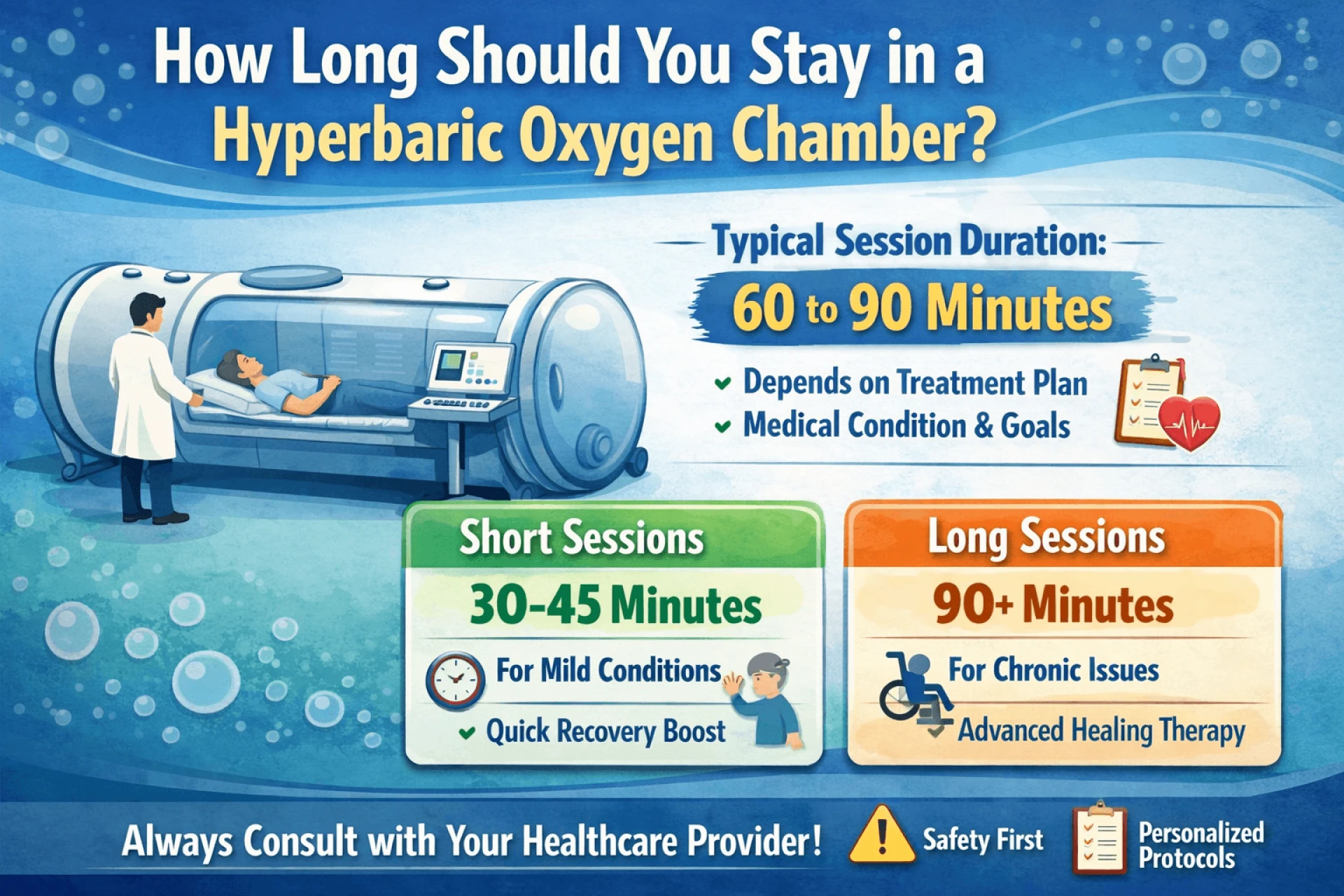
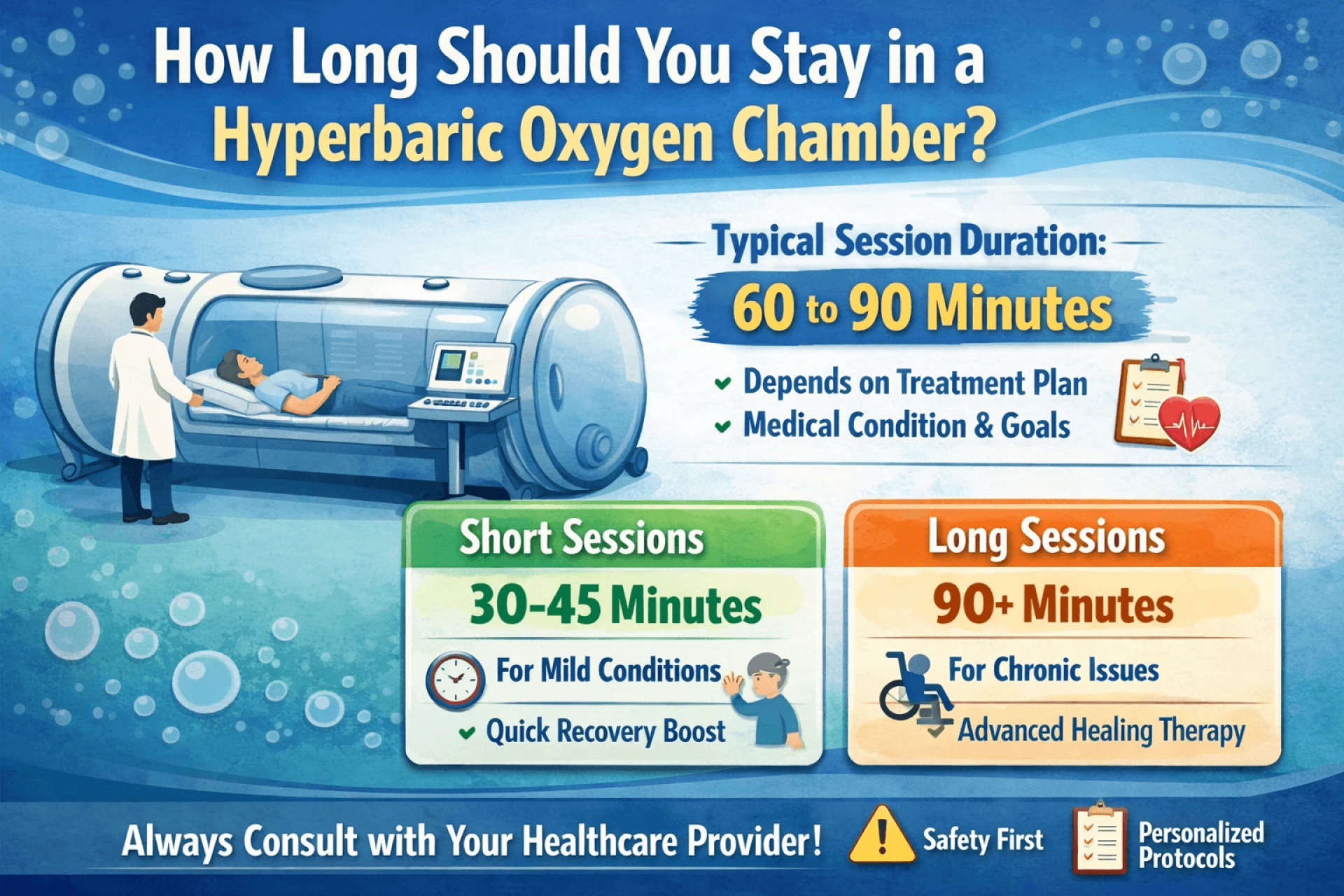
A standard hyperbaric oxygen therapy session typically lasts between 60 to 90 minutes. During this time, you will breathe 100% pure oxygen inside a pressurized chamber at approximately 1.5 to 3 atmospheres of pressure. The chamber is sealed, but modern facilities like ours are designed to be comfortable, with patients able to relax, listen to music, or even watch a movie during their session.
However, the total time per visit — including preparation, pressurization, treatment, and depressurization — is usually around 90 minutes to 2 hours. It is important to account for this when scheduling your appointments, especially if you are balancing work, family, or other health commitments.
Factors That Determine How Long You Stay in the Chamber
The duration of each hyperbaric oxygen therapy session is not a one-size-fits-all prescription. Several key factors influence how long a patient should remain in the chamber.
1. The Condition Being Treated
Different medical conditions require different treatment protocols. For example, decompression sickness — commonly experienced by divers — may require longer and more frequent sessions in the early stages of treatment. Chronic wounds, diabetic foot ulcers, and radiation injuries typically follow a structured protocol of 90-minute sessions repeated daily over several weeks. On the other hand, patients seeking hyperbaric oxygen therapy for performance recovery or brain health optimization may follow a lighter, shorter protocol tailored to their wellness goals.
2. The Pressure Level Used
The atmospheric pressure inside the chamber also plays a role in determining session length. Higher pressures — typically used for more acute or serious medical conditions — may require carefully controlled exposure times to avoid oxygen toxicity. Lower pressures, often used in mild hyperbaric chambers for wellness purposes, may allow for slightly longer sessions with minimal risk. At KOS Chiropractic & Integrative in Honolulu, our team carefully calibrates pressure settings based on each patient's unique profile and treatment objectives.
3. The Patient's Overall Health and Tolerance
First-time patients or those with certain sensitivities may begin with shorter sessions — sometimes as brief as 30 to 45 minutes — to allow the body to adjust to the pressurized environment. As the patient becomes more comfortable and their body adapts, session lengths are gradually increased to the full therapeutic duration. This approach ensures safety and maximizes the long-term effectiveness of hyperbaric oxygen therapy.
How Many Hyperbaric Oxygen Therapy Sessions Do You Need?
Session length is just one part of the equation. Total number of sessions is equally important for achieving meaningful results with hyperbaric oxygen therapy. Here is a general breakdown based on condition type:
For FDA-approved conditions such as diabetic wounds, radiation injury, and severe infections, treatment protocols typically range from 20 to 40 sessions, administered once or twice daily. For neurological recovery including traumatic brain injury, concussion, and stroke rehabilitation, many patients undergo 40 to 80 sessions depending on severity and response to treatment. For wellness and performance optimization, shorter courses of 10 to 20 sessions are commonly recommended, with periodic maintenance sessions thereafter.
It is worth noting that some patients begin noticing improvements after just a handful of sessions, while others require a longer course before experiencing significant benefits. Consistency is key — skipping sessions or stopping treatment prematurely can limit your overall results.
What Happens During a Hyperbaric Oxygen Therapy Session?
For those who have never experienced hyperbaric oxygen therapy, understanding what happens inside the chamber can help ease any anxiety or uncertainty. Upon entering the chamber, you will be comfortably seated or lying down. The chamber door is sealed and pressurization begins gradually — a process that typically takes 10 to 15 minutes.
During pressurization, you may feel a sensation similar to the pressure change experienced during takeoff or landing on an airplane. Swallowing, yawning, or gently pinching your nose and blowing can help equalize ear pressure. Once at the target pressure, you will breathe normally and allow the oxygen to do its work. At the end of the session, the chamber is slowly depressurized before you exit.
Most patients find sessions relaxing and even use the time to rest or meditate. Our team at KOS Chiropractic & Integrative in Honolulu ensures that every patient feels comfortable, informed, and fully supported throughout the entire experience.
Is Staying Longer in the Chamber Always Better?
A common misconception about hyperbaric oxygen therapy is that longer sessions automatically produce better results. This is not the case. Exceeding the recommended session duration can actually increase the risk of oxygen toxicity — a condition in which too much oxygen causes temporary seizures or lung irritation. This is why hyperbaric oxygen therapy must always be administered under the supervision of trained professionals who follow established medical protocols.
The goal is not maximum exposure — it is optimal exposure. The right duration, at the right pressure, delivered at the right frequency, produces the best therapeutic outcomes. This is the philosophy we follow at KOS Chiropractic & Integrative, where every treatment plan is carefully designed and monitored for your safety and success.
FAQs
How long is a typical hyperbaric oxygen therapy session?
A typical session lasts between 60 to 90 minutes of active oxygen breathing at therapeutic pressure. Including preparation and depressurization, plan for approximately 90 minutes to 2 hours per visit.
Can I do hyperbaric oxygen therapy every day?
Yes, for many conditions, daily sessions are recommended — particularly for wound healing and acute medical conditions. For wellness and performance goals, sessions may be scheduled 3 to 5 times per week depending on your treatment plan.
How soon will I feel results from hyperbaric oxygen therapy?
Some patients report feeling more energized and mentally clear after just a few sessions. For more complex conditions such as wound healing or neurological recovery, noticeable improvement typically becomes evident after 10 to 20 sessions. Results continue to build cumulatively with each treatment.
Is hyperbaric oxygen therapy available in Honolulu?
Yes! KOS Chiropractic & Integrative offers hyperbaric oxygen therapy in Honolulu, Hawaii. Our experienced team provides personalized treatment plans for a wide range of conditions including sports injuries, concussion recovery, neurological rehabilitation, and general wellness optimization.
Conclusion
The length of time you should stay in a hyperbaric oxygen chamber depends on your specific condition, health status, treatment goals, and the pressure protocol being used. While most sessions range from 60 to 90 minutes, the most important thing is following a plan that has been carefully designed by experienced professionals — not guessing or self-directing your care.
At KOS Chiropractic & Integrative in Honolulu, we are committed to providing safe, effective, and evidence-informed hyperbaric oxygen therapy to help you heal, recover, and thrive. Whether you are dealing with a chronic condition, recovering from an injury, or simply looking to optimize your health, our team is here to build a personalized treatment plan just for you. Contact us today to schedule your consultation and take the first step toward a healthier life.