
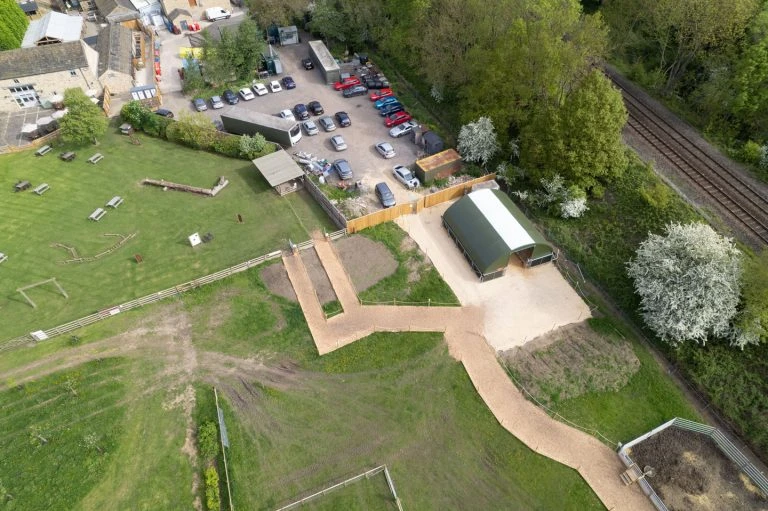
Across the UK, the scale of farming continues to expand, with research indicating that more than 1,000 livestock mega-farms operate nationwide. While these facilities play a crucial role in food production, they also highlight a growing challenge for farmers: how to house large herds in ways that reduce stress, promote health, and align with welfare expectations.
The quality of livestock sheds directly influences herd behaviour and well-being. Poorly designed structures can trap heat, encourage damp conditions, and limit airflow, all of which heighten stress and increase the risk of disease. In contrast, the right sheds create healthy, well-ventilated environments that make daily herd management easier and more efficient.
Animal stress has a direct impact on productivity, from reduced growth rates to compromised milk yield and fertility. With herd welfare under closer scrutiny than ever, farmers are recognising that investment in the right housing is not only about compliance but also long-term performance.
Modern livestock housing, when properly designed, provides more than just shelter. They enable steady air circulation, maintain dry bedding, reduce disease pressures, and create calmer herds overall. Let’s explore the reasons why choosing the right livestock shelters makes such a difference, and how McGregor Agri Span provides livestock housing solutions built to support airflow, welfare, and farm success.
How can the right livestock sheds help reduce herd stress and improve airflow?
Natural ventilation that sheds heat, not calm
Poor sheds trap hot, moist air at animal height, pushing up panting, dehydration and feed refusal. Purpose-built buildings use high ridges, generous eaves and a clear air path so warm, humid air rises and escapes while cooler air enters at the sides. That steady, draught-free turnover lowers heat load, evens out temperature swings and keeps cattle settled at the feed barrier.
Cleaner air, fewer respiratory challenges
Ammonia, dust and bio-aerosols build quickly in stagnant spaces, irritating airways and priming calves for pneumonia. Well-designed sheds maintain continuous air exchange without cold blasts at the lying level. By removing moisture (which pathogens love) and diluting irritants, you cut coughing, reduce treatment days and lower stress hormones linked to poor daily weight gain.
Space, sightlines and quiet movement
Stress spikes when animals crowd, can’t see their route, or meet dead ends. Open-span sheds with sensibly placed gates, wide alleys, and clear sightlines let stock flow to water, feed and beds without jostling. Good layout minimises dominance pressure and slips, reduces bruising, and supports more time lying, one of the best indicators of low stress and strong performance.
Seasonal comfort without draughts
The right shed manages summer glare and winter chill. Orientation, overhangs and adjustable side openings block prevailing rain yet admit fresh air; roof membranes limit radiant heat; solid kickboards stop cold air from dropping onto lying animals. The result is a stable microclimate, cooler in hot spells, drier in wet snaps, so animals maintain intake and immunity year-round.