“Climate-aware design and changing lifestyles are reshaping how Perth homes use light, airflow and flexible indoor-outdoor connections”.
Perth homes are changing in ways that reflect more than style preferences. Across Western Australia, household design is increasingly shaped by climate realities, flexible living patterns and a stronger focus on long-term comfort. The modern home is no longer planned simply around enclosed rooms. Instead, homeowners are paying closer attention to how interior spaces connect with natural light, ventilation and outdoor areas that can be used across much of the year.
Perth’s climate plays a major role in this shift. Long summers, dry heat and bright sunlight influence how houses perform every day. Research in Australian residential design continues to show that internal comfort depends heavily on passive design principles such as orientation, shading, glazing placement and air movement. These elements affect energy use, but just as importantly, they influence whether a home feels pleasant to live in during extended warm periods.
One of the strongest emerging trends is the idea of adaptive living space. Families increasingly want rooms that feel open without sacrificing function. Dining areas often blend into patios, kitchens open onto courtyards, and living spaces are expected to support entertaining, working from home and day-to-day family life. This has led many designers to revisit the role of transitional openings between inside and outside.
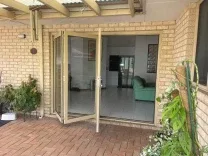
That growing interest helps explain why bi-fold doors Perth continue to attract attention in contemporary residential planning. In practical terms, wider openings can support better airflow and make living spaces feel more expansive. But their real significance lies in how they change movement through a home. Instead of separating spaces, they can help create flexible zones that respond to season, weather and daily routines.
The broader conversation, however, is not only about new builds. Much of Perth’s housing stock was constructed before current ideas about thermal comfort and sustainability became mainstream. Older homes may still have original glazing, ageing seals and frames that no longer perform efficiently. As a result, homeowners are increasingly reassessing the performance of existing openings rather than focusing solely on cosmetic upgrades.
This has made replacement windows Perth a particularly relevant topic. In many established suburbs, replacing older glazing can help address common issues such as heat transfer, minor draughts and inconsistent internal temperatures. The practical benefit is often not dramatic in a single moment, but cumulative over time. Better sealing and improved glazing performance can contribute to more stable indoor comfort, especially during peak summer heat.
Another important factor shaping design decisions is natural light. Perth receives abundant sunshine, which can be both an asset and a challenge. Well-placed glazing can brighten living areas and reduce dependence on artificial lighting. Yet poorly oriented openings can increase afternoon heat gain, especially on western elevations. This is why current design thinking increasingly treats light as something to be managed, not simply welcomed.
In renovation discussions, this has led to growing interest in more comprehensive upgrades rather than isolated changes. Instead of replacing one element at a time, homeowners often consider how openings work together across the whole building envelope. The phrase Perth window and door replacement has therefore become relevant not merely as a construction term, but as part of a broader effort to improve comfort, usability and environmental performance.
A whole-of-home approach can also improve ventilation strategy. Cross-breezes remain one of the most effective passive cooling tools in Western Australian housing. When openings are aligned thoughtfully, they can encourage warm air to escape while drawing cooler air through occupied rooms. This matters especially in shoulder seasons, when natural ventilation may reduce reliance on mechanical cooling.
At the same time, changing lifestyle patterns continue to influence expectations. Many homes now need to support multiple purposes throughout the day. A living room may function as a workspace in the morning, a family area in the afternoon and an entertaining zone in the evening. Adaptable layouts are becoming more valuable, particularly on compact urban blocks where every square metre matters.
That flexibility has also increased interest in sliding stack doors. Their appeal often lies in spatial efficiency, especially where large openings are desired without permanently sacrificing usable wall space. More broadly, they reflect a wider movement toward design that adapts to how households actually live rather than how rooms were traditionally defined.
What stands out most in current Perth housing trends is the shift toward evidence-based decision-making. Homeowners are asking more informed questions about glazing performance, airflow pathways, solar orientation and long-term durability. This suggests a more mature understanding of what good design means in a climate like Perth’s.
Ultimately, indoor-outdoor living in Western Australia is no longer just a lifestyle aspiration. It has become part of a practical design response to climate, comfort and everyday flexibility. As households continue to evolve, windows and doors are being understood less as finishing details and more as essential contributors to how a home functions across every season.
Author Bio:
This article was written by Sam, a researcher covering climate-responsive housing, with a focus on replacement windows Perth and how practical design choices improve everyday Australian living.