
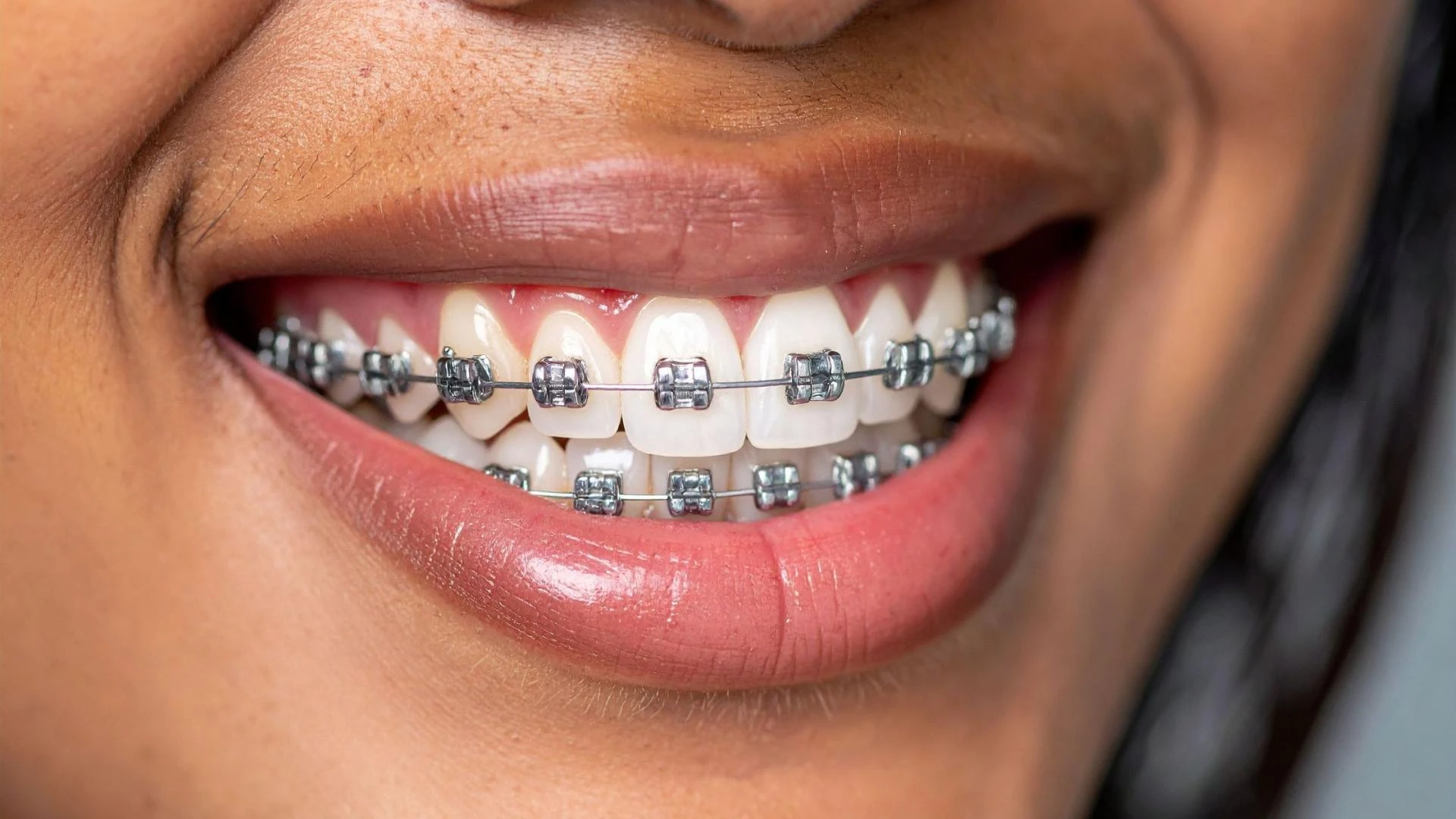
When people think of braces, images of metal brackets and wires often come to mind — smiles framed in shiny hardware that everyone notices. For many adults and image-conscious teens, that visible hardware isn’t just a cosmetic inconvenience; it can feel like a barrier to confidence at work, in social settings, or in photos. If you’ve ever wondered whether you can achieve a beautifully aligned smile without anyone knowing you’re wearing braces, you’re not alone.
The good news is that modern orthodontics has evolved tremendously. Among the most discreet — yet highly effective — options available today are lingual braces. These hidden braces work behind the teeth, literally on the lingual (tongue) side, so they remain virtually invisible from the outside. In cities like Southern California, people seeking this discreet path to a straighter smile often search for solutions like lingual braces Garden Grove CA as a perfect option that combines expertise with a subtle treatment experience.
In this article, we’ll take you behind the scenes of lingual braces — how they work, what makes them different, who they’re best for, what to expect during treatment, and why they may be the right choice for your orthodontic journey.
Understanding Lingual Braces: The Invisible Advantage
In the world of orthodontics, the term “lingual” refers to the side of the teeth that faces the tongue. Unlike traditional braces — which attach brackets and wires to the front (labial) surfaces of your teeth — lingual braces place everything on the back side. The result? Your teeth are straightened discreetly, and from the outside, it’s nearly impossible for others to tell you’re undergoing treatment.
A Brief History of Lingual Orthodontics
Lingual braces aren’t a brand-new concept; they’ve been around for decades, but early iterations were bulky, harder to adjust, and could interfere with speech more noticeably. Today’s technology and customized manufacturing methods have transformed lingual braces into a sophisticated treatment option that rivals the performance of any visible orthodontic system — without the visible hardware.
What makes modern lingual braces stand out is the way they blend invisibility with precision. Orthodontists can plan movements digitally, create custom brackets that fit the back of each patient’s unique dental anatomy, and fine-tune adjustments with the same level of control as traditional braces.
How Lingual Braces Work: The Science Behind the Smile
At their core, lingual braces operate on the same principles as traditional braces. They use a system of brackets and archwires to gently apply pressure over time, guiding teeth into more optimal alignment.
Custom Fitting and Digital Planning
The first step in lingual braces treatment involves a detailed dental evaluation and digital scanning of your teeth. These scans are used to design custom brackets that fit the backside of each tooth with precision. Because no two smiles are exactly alike, this bespoke approach ensures that the forces applied to each tooth are calculated for efficiency and comfort.
The custom nature of lingual braces is one of their greatest strengths. Instead of using one-size-fits-all brackets, orthodontists can tailor every bracket and wire to your dental anatomy. This doesn’t just help the braces sit comfortably; it also improves the predictability of tooth movement over the course of treatment.
Brackets Behind the Teeth
Once your custom treatment plan is ready, the orthodontist places the brackets on the lingual surfaces of your teeth. These brackets are smaller, contoured to the shape of your teeth, and bonded securely in place. A wire is then threaded through the system to begin guiding your teeth into position.
Because these components sit behind your teeth, no one will see them when you talk, smile, or laugh. This discretion is what makes lingual braces especially appealing for adults who feel self-conscious about traditional braces, as well as for professionals and performers whose appearance plays a role in daily life.
Adjustments and Orthodontic Progress
As with traditional braces, your orthodontist will periodically adjust the wires to guide tooth movement. These adjustments are based on your customized treatment plan and are scheduled at regular intervals. Thanks to digital treatment mapping, orthodontists can anticipate tooth movement and fine-tune adjustments with precision.
While each person’s experience varies, most patients find that routine appointments for lingual braces are just as efficient and straightforward as those for traditional braces — with the added benefit that none of the hardware is visible to others.
Who Is a Good Candidate for Lingual Braces?
Lingual braces are a powerful tool in orthodontics, but they’re not the ideal fit for every case. Determining candidacy requires a comprehensive dental evaluation, during which your orthodontist reviews your bite, alignment goals, oral health history, and lifestyle preferences.
Ideal Candidates
People who may benefit most from lingual braces typically:
- Want a discreet orthodontic solution that’s undetectable to others
- Have mild to moderate tooth alignment issues, including crowding or spacing
- Are adults or teens who are self-conscious about visible braces
- Have healthy gums and good overall oral health
Because the brackets are placed behind the teeth, lingual braces can sometimes require a bit more technical expertise to install and maintain. That’s why working with an orthodontist trained specifically in lingual techniques is important — experience matters when precision and comfort intersect.
When Lingual Braces May Not Be Ideal
In some complex bite cases or when certain jaw alignment issues are present, traditional braces or other orthodontic methods might offer more efficient results. Additionally, people with very small or intricately shaped posterior teeth may require evaluation to ensure the brackets can be comfortably affixed.
Ultimately, a qualified orthodontist will guide you toward the best choice based on your unique anatomy and goals — and may suggest lingual braces as a standout option if discreet aesthetics are high on your priority list.
What to Expect During Lingual Braces Treatment
If you choose lingual braces, what happens next? Many patients appreciate knowing what to expect before treatment begins. While every person’s journey is unique, the stages of lingual braces treatment tend to follow a consistent and reassuring rhythm.
Initial Consultation and Planning
Your journey begins with a comprehensive consultation. Expect a friendly, detailed discussion of:
- Your smile goals and expectations
- Your dental history and any previous treatment
- Digital scans or impressions of your teeth
- A personalized treatment plan outlining estimated timeline and outcomes
This conversation is also a great opportunity to ask questions about comfort, speech adjustments, and ongoing care — all of which are important in feeling confident about your decision.
Placement Appointment
At the placement visit, your orthodontist will gently bond the custom lingual brackets to the backs of your teeth. While the process takes longer than applying traditional braces (because of the precision involved), most patients find it to be a comfortable experience.
Once the brackets and archwire are in place, you may feel slight pressure — similar to what patients experience with traditional braces — but that sensation typically fades within a few days.
Adjustment Visits and Progress Checks
About every 4–8 weeks, you’ll return for check-ups and adjustments. During these visits, your orthodontist ensures that your smile is progressing according to the plan. Because the braces are custom-designed, adjustments are often efficient and tailored to your individual movement patterns.
These appointments are also a great time to give feedback — if anything feels uncomfortable or if you have questions about hygiene or lifestyle, your orthodontist is there to help.
Comfort, Speech, and Daily Life With Lingual Braces
One of the biggest concerns people have about braces — especially lingual ones — is how they will feel and whether they’ll change how you speak, eat, or go about your daily routine. The good news is that most patients adapt quickly and find that any initial changes are temporary.
Comfort and Tongue Awareness
Because the brackets are on the tongue side, you may notice them more in the first few days — especially the sensation against your tongue. Some patients describe this as similar to wearing a retainer or a mouthguard. Within a week or two, most of this awareness diminishes significantly.
Orthodontists also prescribe or recommend dental wax to smooth sharp edges during the initial adjustment period. This extra layer of comfort helps the tongue acclimate while your mouth settles in.
Speech Adaptation
It’s common to notice slight speech changes in the first few days after placement. For most people, this temporary shift — often quite subtle — resolves quickly as the brain and tongue adapt to the new position of the braces. Some orthodontists even suggest practicing certain sounds in front of a mirror for confidence, but most patients feel comfortable communicating well within a short adjustment period.
Eating and Oral Care
Lingual braces don’t require any dramatic changes to your diet beyond what traditional braces demand. During the first week, softer foods may help reduce pressure on newly placed brackets, but you’ll soon return to a normal, balanced diet with minimal restrictions.
Oral hygiene remains essential. Because the brackets sit behind the teeth, it’s especially important to brush and floss carefully. Your orthodontist will guide you on the best techniques and tools — including specialized brushes and threaders — to keep your smile healthy throughout treatment.
The Timeline: How Long Does Treatment Usually Take?
One of the most common questions patients ask is, “How long until my teeth are straight?” There’s no single answer — every smile is unique. That said, lingual braces treatment is often comparable in duration to traditional braces. Mild to moderate alignment issues may be resolved in as little as 12–18 months, while more complex cases can take longer.
What matters most is movement quality, not speed. Because lingual braces are custom-engineered and guided by precise digital planning, the focus is on safe, consistent progress. Your orthodontist will provide regular updates so you always know where you stand in your journey.
Why Choose Lingual Braces? Real Benefits Beyond Invisibility
Lingual braces offer more than just invisibility. For the right patient, they provide powerful advantages that traditional options don’t always match.
Confidence in Your Smile Through Treatment
Whether you’re a professional whose appearance matters in meetings, a public speaker, an actor, or simply someone who dislikes the look of traditional braces, lingual braces let you align your smile without announcing it to the world.
Precision and Control
Because lingual braces are custom-designed for each tooth, orthodontists have remarkable control over movements. This can be especially beneficial in cases where subtle adjustments are needed to refine alignment.
No Need for Removable Appliances
Unlike clear aligners, which must be removed for eating and brushing, lingual braces stay securely in place. There’s no risk of misplacing trays or forgetting to wear them, and your orthodontist can monitor progress directly at every visit.
Real Stories, Real Smiles
People who choose lingual braces often say the best part of their experience is how normal their social life feels during treatment. Friends and colleagues never notice hardware, yet over time those same people begin commenting on how naturally beautiful your smile looks as it transforms.
Some patients talk about how empowering it is to invest in themselves without feeling self-conscious during the process. Others appreciate the blend of technology and artistry that goes into custom orthodontic care.
Whether it’s preparing for a wedding, pursuing a new job opportunity, or simply wanting confidence in everyday interactions, lingual braces can feel like a secret advantage — a transformative step taken quietly, with visible results that speak for themselves.
Making the Decision: Is Lingual Orthodontics Right for You?
If the idea of straightening your teeth without visible braces appeals to you, the first step is a thoughtful consultation with an orthodontist experienced in lingual techniques. Together, you’ll explore:
- Your goals for alignment and aesthetics
- Your dental health and bite profile
- The customized treatment plan that fits your life and expectations
Every smile journey is personal, and there’s no universal “best” option for everyone. But for those who value discretion, precision, and confidence, lingual braces offer a uniquely effective path.
Ready to Get Started?
Smiles have power — they shape first impressions, express emotion, and reflect confidence. If you’ve hesitated to pursue orthodontic treatment because you didn’t want visible braces, lingual braces may be the solution you’ve been waiting for: a behind-the-scenes transformation that speaks loudly through results.
To explore discreet orthodontic options tailored to your goals and anatomy, search for experienced providers in your area like lingual braces Garden Grove CA and take the first step toward a smile that’s both healthy and beautifully aligned — without anyone knowing how you got there.